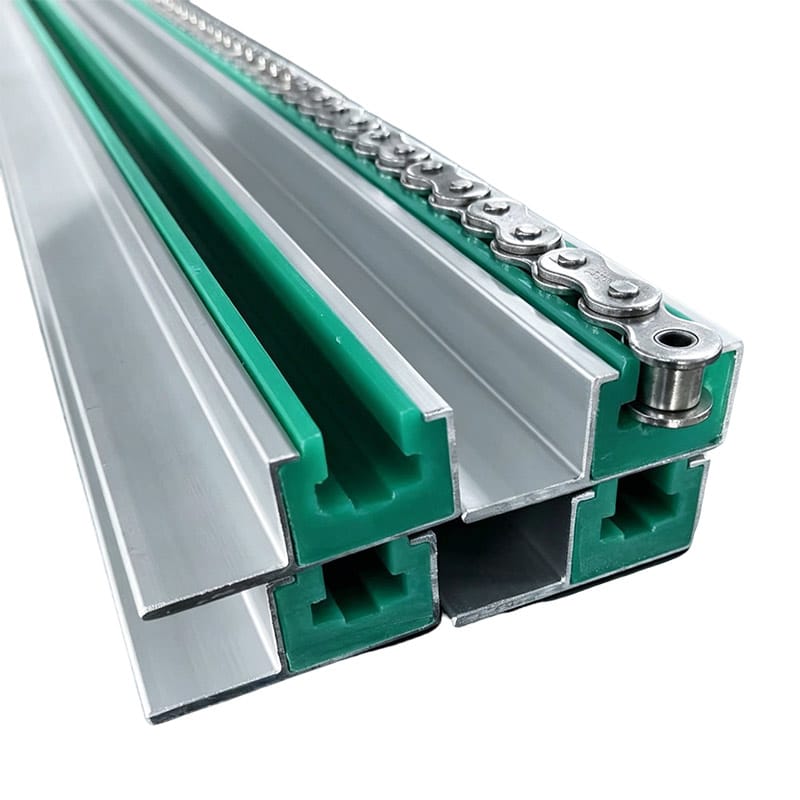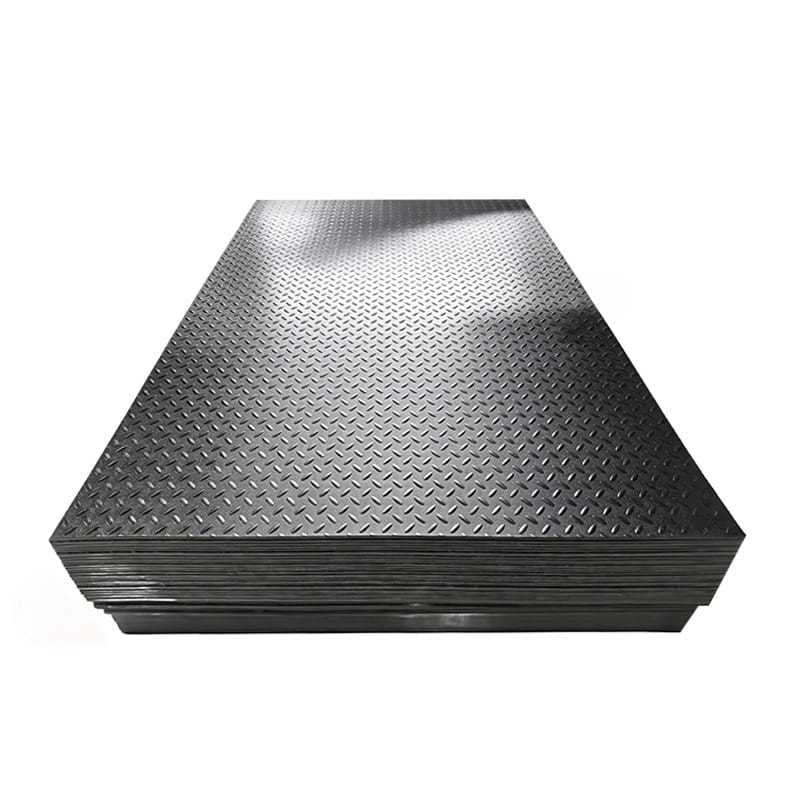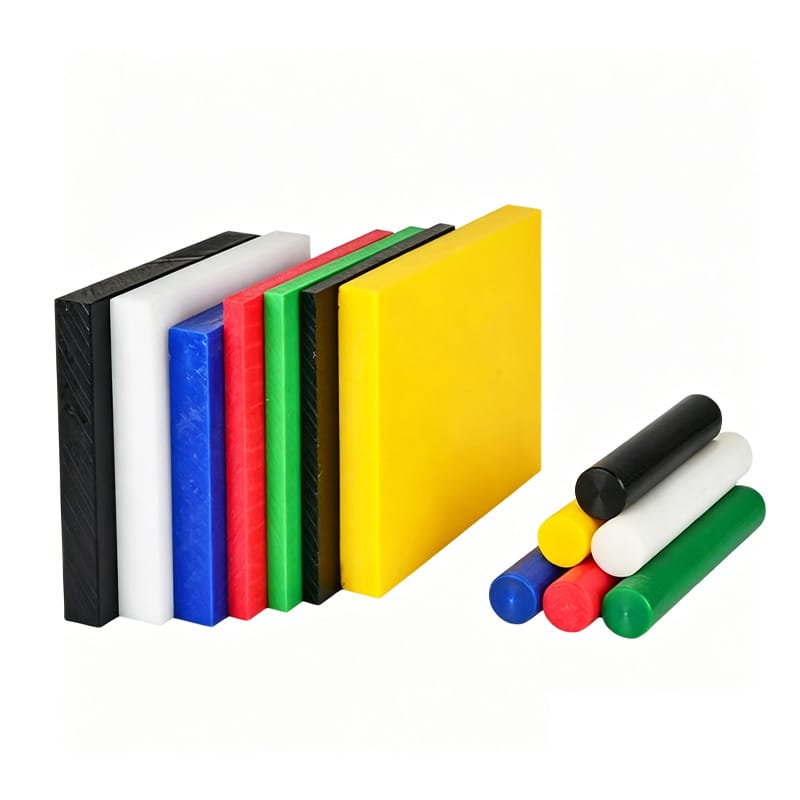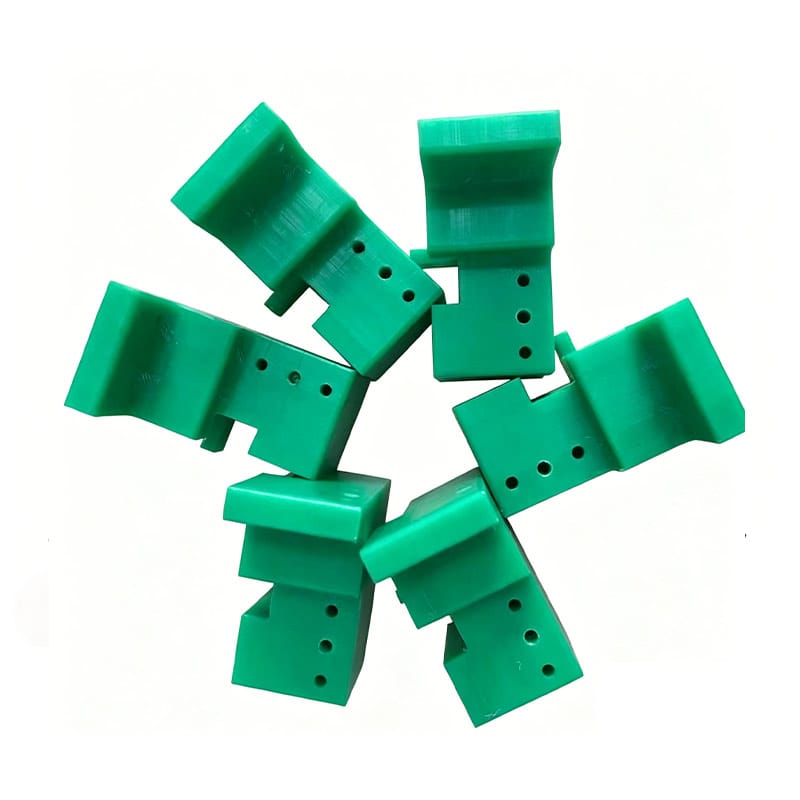
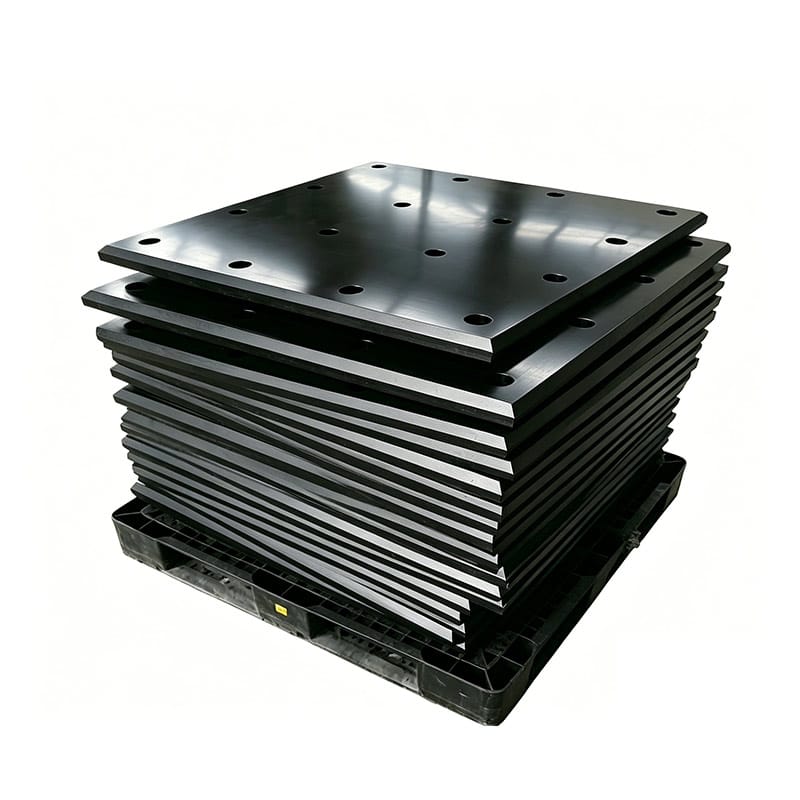
A request for “10 mm UHMWPE liner sheets” may be enough to obtain a price.
It is usually not enough to determine whether those sheets are appropriate for the equipment.
For a chute, hopper, bunker, silo, transfer point or other bulk-material handling system, liner performance depends on much more than thickness. The handled material, particle size, moisture, temperature, drop height, impact zone, flow direction, substrate condition and fastening arrangement can all influence the result.
That is why a good UHMWPE wear liner RFQ should describe the application before asking a supplier to recommend a material or prepare custom panels.
For buyers, maintenance teams and engineering contractors, supplying this information early can reduce repeated technical questions, improve quotation accuracy and make it easier to compare suppliers on the same basis.
This checklist explains the most useful information to include when requesting UHMWPE wear liners for bulk-material handling equipment.
Why a UHMWPE Wear Liner RFQ Needs More Than Length, Width and Thickness
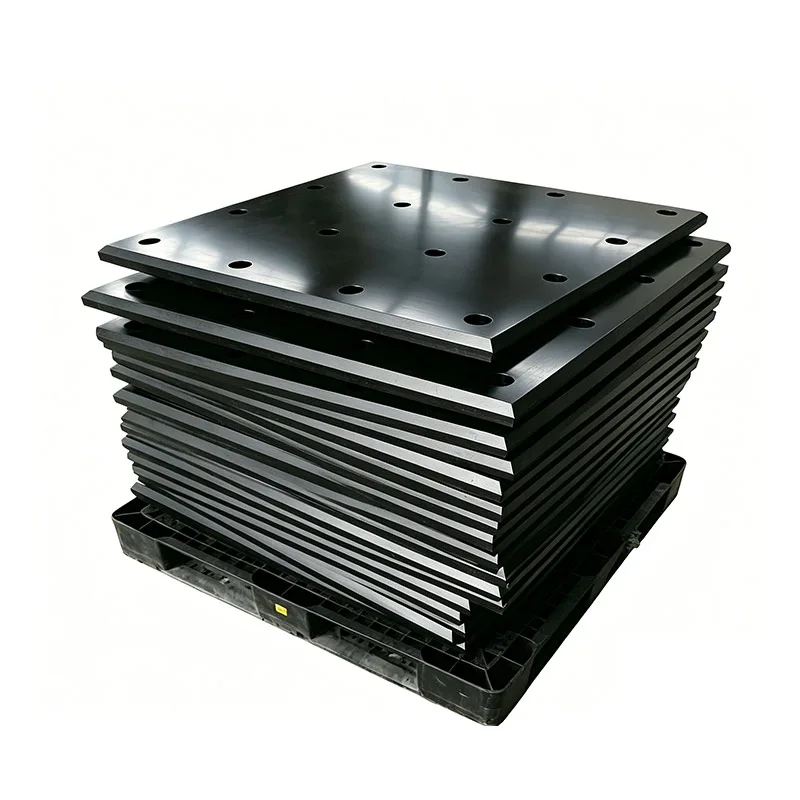
Wear liners operate as part of a material-handling system.
The same UHMWPE sheet can experience very different service conditions depending on where it is installed.
A liner in a low-speed discharge chute handling fine dry powder is not working under the same conditions as a transfer point receiving coarse stone from a significant drop height.
Even when both use the same nominal thickness, the dominant failure mechanism may be different.
One application may be affected mainly by sliding abrasion.
Another may involve:
- Direct impact
- Gouging
- Wet material buildup
- High temperature
- Fast-moving particles
- Poor fastening
- Substrate deformation
- Localized wear around bolts
A useful RFQ therefore answers two questions:
What is moving across the liner?
and
How is that material contacting the liner?
What Is the Bulk Material Being Handled?
The first item in a UHMWPE wear liner RFQ should be the actual bulk material.
Avoid descriptions such as:
- Mineral
- Powder
- Aggregate
- Grain
- Industrial material
These categories are too broad.
Instead, identify the material as specifically as possible.
Examples may include:
- Limestone
- Coal
- Iron ore
- Sand
- Gravel
- Fertilizer
- Cement powder
- Grain
- Salt
- Wood chips
- Plastic pellets
Different materials can create different combinations of abrasion, impact, friction, moisture and chemical exposure.
Paowo Group’s mining and bulk material handling solutions include wear components for applications where understanding the handled material is an important part of liner selection.
Why Particle Size Matters
Particle size can influence both wear and impact.
Fine powder moving across a liner behaves differently from large angular stone.
When preparing an RFQ, provide:
- Typical particle size
- Maximum particle size
- Particle shape if relevant
- Whether oversized pieces are occasionally present
Fine Materials
Fine bulk materials may create continuous sliding wear over a broad area.
They can also enter gaps around fasteners or between liner panels.
If the material is wet or cohesive, buildup may be just as important as abrasion.
Coarse Materials
Larger particles can produce:
- Higher localized impact
- Gouging
- Edge damage
- Increased stress around fasteners
Large, sharp particles may therefore require a different liner layout from a fine-flowing product.
Mixed Particle Sizes
Many real applications do not have one uniform particle size.
If the stream contains both fines and large pieces, state that clearly.
The supplier should understand the full operating range rather than designing around an average value that does not represent the most severe condition.
Why Moisture Content Should Be Included
Moisture can change the way bulk material flows.
A dry material may slide freely, while the same material at higher moisture content may become cohesive and begin sticking to equipment surfaces.
This can affect:
- Flowability
- Buildup
- Cleaning
- Wear pattern
- Material discharge
- Required liner coverage
For a useful UHMWPE wear liner RFQ, indicate whether the material is:
- Dry
- Occasionally damp
- Consistently wet
- Washed
- Slurry-like
- Exposed to outdoor rainfall
If moisture varies seasonally, provide the expected operating range rather than only the condition observed on the day of inspection.
How Temperature Affects Liner Selection
Operating temperature should always be stated when requesting an engineering plastic liner.
Temperature can affect material properties and dimensional behavior.
It may also influence:
- Thermal expansion
- Fastener design
- Gap requirements
- Panel length
- Mounting slots
- Service life
Important temperature information includes:
- Normal operating temperature
- Maximum expected temperature
- Minimum temperature if relevant
- Whether the equipment is exposed to rapid temperature changes
Do not describe the application only as “normal temperature” if actual process information is available.
A supplier needs numerical conditions to compare the requested material against the technical data for the specific grade.
Why Material Velocity Matters
A bulk material sliding slowly through a hopper does not create the same wear environment as material moving at high speed through a transfer chute.
Velocity can influence:
- Frictional heating
- Wear rate
- Particle impact
- Flow behavior
- Localized damage
If the exact material velocity is unknown, provide process information that helps describe it.
This can include:
- Conveyor belt speed
- Discharge speed
- Equipment capacity
- Drop distance
- Transfer-point geometry
The objective is not always to provide a perfect theoretical calculation. It is to give the supplier enough information to understand whether the liner sees gentle sliding or aggressive high-energy contact.
Why Drop Height Is Important
Drop height is particularly important at transfer points.
Material falling onto a liner converts gravitational potential energy into impact.
A chute receiving material from a small transition has a different condition from a hopper receiving large particles from several meters above.
Provide:
- Approximate vertical drop
- Direction of material impact
- Whether impact occurs directly on the liner
- Whether material first contacts another surface
- Location of the impact zone
Sliding Zone vs Impact Zone
It is useful to separate the equipment into wear zones.
Sliding Wear Zone
Here the material mainly moves along the liner surface.
Important considerations may include:
- Friction
- Abrasion
- Material buildup
- Liner smoothness
Impact Zone
Here material directly strikes the surface.
Important considerations may include:
- Particle size
- Drop height
- Impact angle
- Localized loading
- Panel support
One liner solution does not always need to be identical throughout the whole chute.
In some systems, different zones may justify different materials, thicknesses or mounting arrangements.
Chute and Hopper Geometry Should Be Included in the RFQ
A wear liner has to fit the equipment, not just the material stream.
Provide drawings or dimensions showing:
- Chute width
- Chute height
- Wall angles
- Hopper dimensions
- Curved sections
- Internal transitions
- Outlet size
- Existing panel arrangement
A 2D fabrication drawing is ideal.
If a drawing is unavailable, clear photographs with dimensions can still be useful for an initial discussion.
Why Wall Angle Matters
The inclination of a chute or hopper wall can affect how material moves across the surface.
A steep wall may encourage flow.
A shallow wall may increase the chance of:
- Sliding resistance
- Buildup
- Bridging
- Material retention
UHMWPE is often selected partly because of its low-friction surface characteristics, but material flow should not be assessed from the liner material alone.
The geometry and handled product should be considered together.
Describe the Existing Liner and Its Failure Mode
One of the most valuable pieces of information in an RFQ is:
What is currently installed, and why is it being replaced?
Provide the existing liner material where known.
Examples may include:
- Carbon steel
- Stainless steel
- Rubber
- Ceramic
- HDPE
- UHMWPE
- Another engineering plastic
Then describe the problem.
Abrasive Wear
Common signs include:
- Gradual thickness loss
- Polished wear tracks
- Localized thinning
- Exposed substrate
Cracking
Cracks may indicate a problem involving:
- Impact
- Fastener stress
- Unsupported areas
- Hole geometry
- Installation
- Thermal restraint
Simply switching to a thicker sheet may not address the cause.
Material Buildup
If the current problem is sticking rather than wear, include:
- Material moisture
- Surface condition
- Chute angle
- Cleaning frequency
- Buildup location
The goal of the new liner may be to improve flow rather than simply survive abrasion.
Fastener Failure
If bolts or liner holes are failing, provide photographs of:
- Bolt locations
- Pulled-through holes
- Cracked countersinks
- Elongated holes
- Missing fasteners
Installation details can be just as important as material grade.
How to Document the Existing Wear Pattern
A photograph of the worn liner can often tell a supplier more than a long written description.
Useful photos include:
- Overall equipment view
- Entire liner surface
- Impact zone
- Worst wear area
- Fastener locations
- Panel joints
- Substrate after liner removal
Where possible, add a scale or ruler to the photograph.
Also record:
- Original liner thickness
- Remaining thickness
- Time in service
- Operating hours
- Throughput during the period
These records help distinguish between expected wear and abnormal failure.
Why Throughput Matters
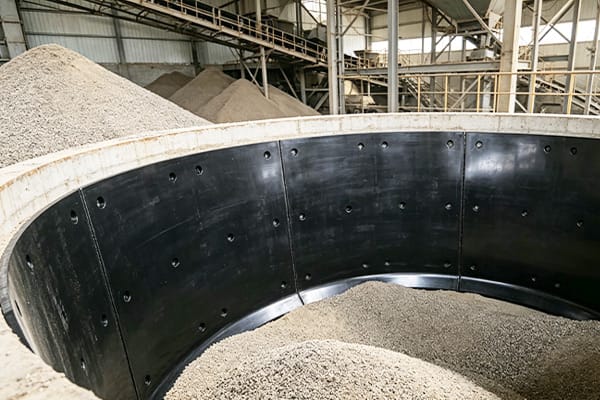
Bulk-material systems process different quantities of product.
A chute handling material occasionally cannot be compared directly with one operating continuously.
Provide:
- Tonnes per hour if available
- Daily operating hours
- Days per year
- Seasonal production changes
This information gives better context for wear-life expectations.
A statement such as “the previous liner lasted six months” becomes much more useful when the supplier also knows how much material passed through the equipment during those six months.
Why the Substrate Condition Matters
UHMWPE wear liners are commonly mounted onto steel equipment structures.
The condition of the supporting surface can influence liner performance.
Check for:
- Bent steel
- Corrosion
- Weld buildup
- Uneven surfaces
- Existing holes
- Gaps
- Sharp edges
A flexible or uneven base can change how the liner is loaded.
If the original steel structure has been heavily worn or distorted, replacing the plastic liner alone may not restore the intended geometry.
What Fastening Information Should Be Included?
The RFQ should describe how the liner will be attached.
Possible methods include:
- Bolted installation
- Countersunk bolts
- Studs
- Existing hole patterns
- Custom machined mounting features
Provide:
- Hole diameter
- Hole spacing
- Edge distance
- Countersink dimensions
- Bolt type
- Substrate thickness
If the supplier is expected to machine the holes, include the required hole pattern in the drawing.
Why Countersunk Holes Need Careful Design
Countersunk fasteners help keep bolt heads away from the material stream.
However, removing too much material around the hole can reduce the remaining liner section.
Potential problems include:
- Cracking around the countersink
- Bolt pull-through
- Localized deformation
- Premature wear exposing the fastener
The correct geometry depends on:
- Sheet thickness
- Fastener dimensions
- Load
- Support
- Installation method
Avoid assuming that a countersink used in a steel plate can simply be copied into a plastic liner.
Should UHMWPE Liner Panels Be One Large Piece?
Not always.
Large panels reduce the number of joints, but they can create other practical challenges.
These may include:
- Handling
- Installation access
- Thermal expansion
- Replacement cost
- Difficulty fitting complex equipment geometry
Smaller panels can be easier to:
- Install
- Replace
- Ship
- Handle during maintenance
The optimum panel size depends on the equipment.
A good RFQ should therefore indicate whether:
- Full-size sheets are required
- Panels should be pre-cut
- Holes should be machined
- Numbered installation sets are needed
Why Thermal Expansion Should Be Considered in Panel Layout
Polyethylene expands and contracts with temperature.
Long liner panels should therefore not always be rigidly constrained at every point without considering movement.
The appropriate fastening and gap strategy depends on:
- Panel dimensions
- Temperature range
- Hole design
- Fastener arrangement
- Equipment geometry
For large or temperature-sensitive installations, these details should be reviewed before manufacturing the panels.
Should You Request Virgin or Modified UHMWPE?
Material terminology can vary between suppliers, so the RFQ should state any specific requirements.
If your project requires:
- Virgin material
- Particular color
- Specific additive package
- Reprocessed content restrictions
- Antistatic properties
- Food-contact suitability
- UV resistance
state this explicitly.
Do not assume every UHMWPE grade has the same composition or compliance documentation.
If regulatory or food-contact requirements apply, request documentation for the exact supplied grade rather than relying on generic material claims.
What Material Documents Should Buyers Request?
The documentation requirement depends on the project.
Typical procurement requests may include:
- Supplier technical data sheet
- Material certificate
- Batch identification
- Dimensional inspection report
- Packing list
- Product photographs
For technical comparisons, make sure values are compared under equivalent testing methods.
Organizations such as ASTM International and ISO publish test standards used for many engineering-plastic properties.
A property number without the test method may not provide a meaningful basis for comparing two suppliers.
How to Specify Liner Thickness
Thickness should be selected around actual wear and structural requirements rather than copied automatically from another project.
Relevant factors include:
- Expected wear rate
- Particle size
- Impact
- Panel dimensions
- Support spacing
- Fastener geometry
- Required maintenance interval
If you already use a liner successfully, provide:
- Existing thickness
- Service life
- Remaining thickness at replacement
This creates a much stronger basis for deciding whether the same thickness should be retained.
Is the Thickest UHMWPE Liner Always Better?
No.
A thicker liner may provide more wear allowance, but it can also increase:
- Material cost
- Weight
- Fastener length
- Installation space
- Required clearance
It may also change the internal dimensions of a chute.
The objective should be to select a practical thickness that meets the expected wear and installation requirements.
How to Compare Quotations from Different UHMWPE Liner Suppliers
A low price per kilogram or per sheet does not necessarily mean two quotations are equivalent.
Compare the complete scope.
Material Grade
Check whether each supplier is quoting the same material type and specification.
Panel Dimensions
Check finished dimensions rather than raw sheet dimensions.
Machining
Determine whether the quotation includes:
- Cutting
- CNC machining
- Drilling
- Countersinking
- Routing
Inspection
Check whether dimensional inspection or material documentation is included.
Packaging
For custom panels, packaging can affect whether parts arrive organized and undamaged.
Shipping
Heavy, large-format plastic panels can have significant freight implications.
Make sure the commercial comparison uses the same delivery terms.
A Practical UHMWPE Wear Liner RFQ Workflow
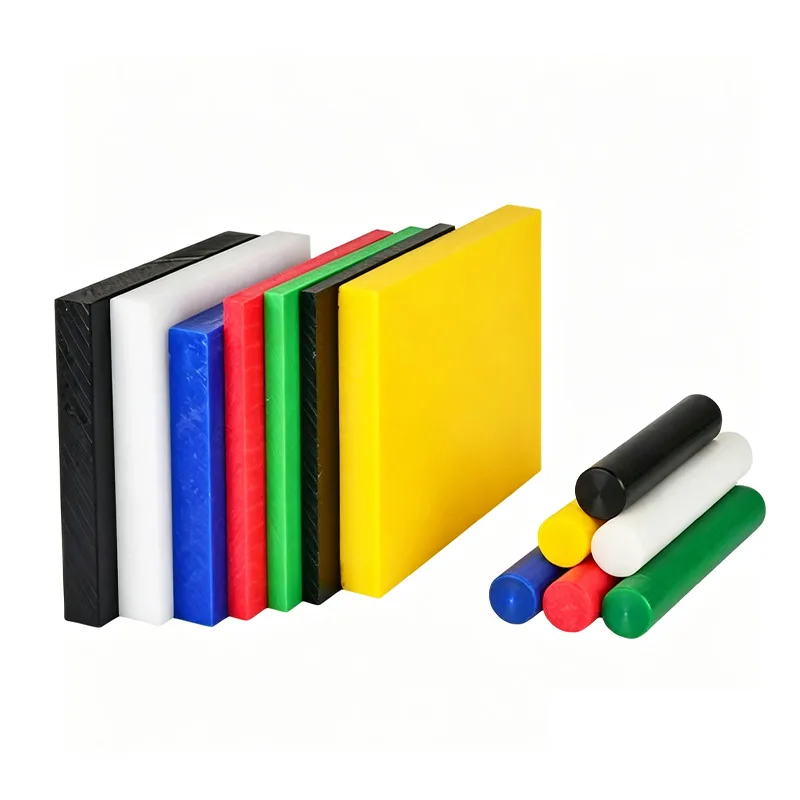
A structured procurement process helps avoid missing information.
Identify the Equipment
State whether the liner is for a:
- Chute
- Hopper
- Bunker
- Silo
- Transfer point
- Conveyor discharge
- Truck body
- Other equipment
Describe the Material
Provide:
- Product name
- Particle size
- Moisture
- Temperature
- Abrasiveness
- Any unusual characteristics
Describe the Process
Provide:
- Flow rate
- Velocity if known
- Drop height
- Impact direction
- Operating hours
Provide Equipment Geometry
Attach:
- Drawings
- Dimensions
- Photographs
- Existing panel layout
Explain the Failure
State whether the current issue is:
- Wear
- Impact damage
- Cracking
- Sticking
- Fastener failure
- Corrosion
- Flow restriction
Define the Required Supply Scope
Tell the manufacturer whether you need:
- Full sheets
- Cut panels
- Finished machined liners
- Fastener holes
- Countersinks
- Identification numbers
- Installation drawings
This prevents a quotation for raw material when the project actually requires finished installation-ready components.
Common UHMWPE Wear Liner RFQ Mistakes
Several common RFQ mistakes make technical evaluation difficult.
Asking Only for a Price per Sheet
A price-only request does not provide enough information for an application recommendation.
Saying the Material Is “Very Abrasive”
Describe the actual material, particle size and wear pattern instead.
Omitting Temperature
Engineering plastics should always be checked against actual operating temperature.
Ignoring Impact
Sliding abrasion and direct impact are different wear mechanisms.
Providing Only External Equipment Dimensions
Internal liner geometry and panel arrangement are more useful than the outside size of the machine.
Sending Photos Without Dimensions
Photos help, but dimensions are needed for manufacturing.
Requesting a Guaranteed Service Life Without Operating Data
Wear life depends on the application.
A supplier cannot responsibly guarantee a universal lifespan from material name and thickness alone.
Comparing Different Material Grades as If They Are Identical
Ask each supplier to state exactly what material grade is included.
UHMWPE Wear Liner RFQ FAQ
What Information Is Most Important for a UHMWPE Wear Liner Quote?
At minimum, provide the bulk material, particle size, moisture, temperature, drop height or impact condition, liner dimensions, thickness, quantity and installation method.
Can I Request a Quote from a Worn Liner Sample?
Yes. A physical sample can help identify dimensions and geometry. However, a worn part should not automatically be copied exactly because worn surfaces may no longer represent the original profile.
Can UHMWPE Be Used as a Chute or Hopper Liner?
Yes. UHMWPE is widely considered for chute and hopper lining where low friction, abrasion resistance and reduced material buildup are important.
The final selection should still be based on temperature, impact, particle size, flow conditions and fastening design.
What Thickness Should I Specify?
Do not choose thickness only by copying a previous liner.
Provide the current thickness, operating history, wear pattern and required service conditions. The supplier can then recommend a practical thickness or panel arrangement.
Should the Supplier Provide Full Sheets or Machined Panels?
That depends on your installation capability.
Full sheets may suit sites that cut and drill liners internally. Machined panels can reduce site work when drawings, hole positions, countersinks and panel identification are clearly defined.
How Can I Compare Two UHMWPE Wear Liner Quotations?
Confirm that both quotations use the same material grade, panel dimensions, thickness, machining scope, tolerances, inspection documents, packaging and delivery terms.
A lower price may reflect a different material, less machining or a narrower supply scope.
Prepare a Better UHMWPE Wear Liner RFQ
A complete UHMWPE wear liner RFQ does not need to be complicated, but it should describe the real application.
Start with the bulk material and process conditions. Add particle size, moisture, temperature, velocity, drop height and impact information. Then provide chute or hopper geometry, panel dimensions, substrate details, fastening requirements, quantity and documentation needs.
Photos, drawings and worn samples can strengthen the request when they are supported by dimensions and operating data.
With the right information, suppliers can evaluate the application more responsibly, recommend suitable UHMWPE wear liners and prepare quotations that are easier to compare.
If you are preparing a new project or replacing an existing chute or hopper liner, contact Paowo Group with your drawings and operating details for a technical review and quotation.