Table of Contents
UHMWPE wear strips are small components, but they can have a large effect on conveyor reliability. They support chain, reduce sliding friction, protect metal frames, lower noise, and help products move through the line with less vibration. When UHMWPE wear strips are selected only by outside size, the conveyor may still suffer from uneven wear, chain instability, or difficult maintenance.
This guide explains how to select UHMWPE wear strips for conveyor systems used in packaging, food processing, logistics, bottling, material handling, and industrial machinery. It focuses on profile shape, mounting method, chain path, load, operating environment, and the details that should be included in a quotation request.
Why Conveyor Systems Use UHMWPE Wear Strips
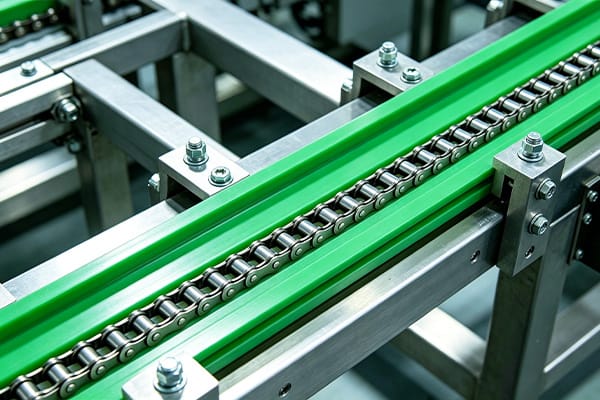
Conveyors place repeated sliding contact on guide surfaces. Metal-on-metal contact can create noise, friction, and wear. UHMWPE wear strips provide a low-friction interface between the moving chain or product and the fixed structure. They are often installed on guide rails, chain tracks, side guides, return paths, and support surfaces.
UHMWPE is widely used for wear components because it offers strong abrasion resistance and a naturally low coefficient of friction. A technical overview of ultra-high-molecular-weight polyethylene explains the polymer background. In conveyor work, the value comes from how the material behaves under sliding contact.
UHMWPE wear strips can be used together with UHMWPE chain guides, machined rails, and other conveyor plastic parts. The exact shape depends on the chain type, frame design, and installation space.
Match the Profile to the Chain Path
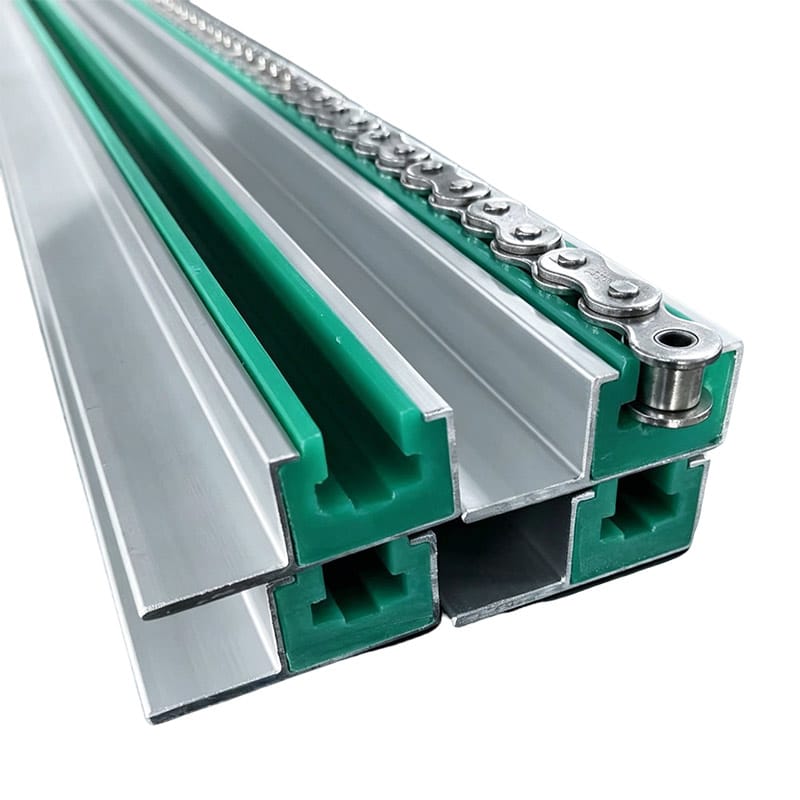
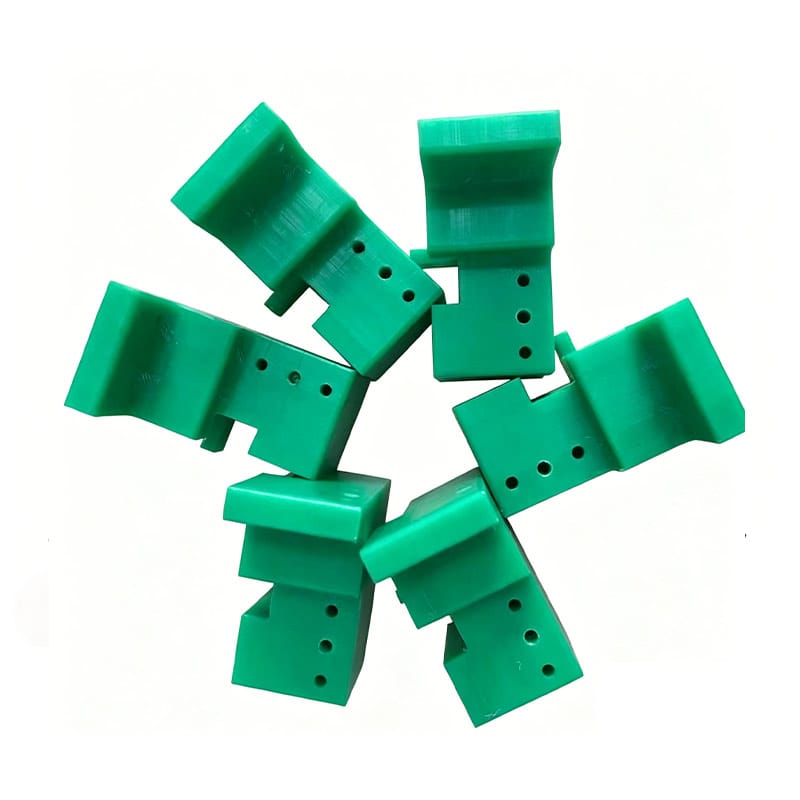
The profile is the first major decision. Flat UHMWPE wear strips are used where the chain or product needs a simple sliding surface. U-shaped or channel-style profiles can help guide a chain. L-shaped and special profiles may be used where the strip protects an edge or fits into a frame. Custom profiles are common when the conveyor was designed around a specific rail.
Do not choose the profile by appearance alone. Check the chain width, chain side clearance, turning radius, wear direction, and how the strip is held in place. If the strip is too tight, it may increase drag. If it is too loose, the chain may wander or create impact at the guide surface.
| Profile type | Typical use | Key check |
|---|---|---|
| Flat strip | General sliding support | Backing support and fastener spacing |
| U profile | Chain guidance | Internal width and chain clearance |
| L profile | Edge protection or side guide | Corner fit and load direction |
| Custom profile | OEM frame or replacement part | Drawing, sample, and revision control |
Check Load, Speed, and Contact Surface
UHMWPE wear strips should be selected around operating conditions. A light packaging conveyor has different needs from a heavy material handling conveyor. Higher load and longer contact length can increase friction heat and wear. Higher speed can also make alignment more important because small errors repeat many times per minute.
Look at what touches the strip. Is it a metal chain, plastic chain, product container, belt edge, or sliding pallet? The mating surface affects wear behavior. Rough metal, damaged chain links, or abrasive contamination can shorten the service life of UHMWPE wear strips even when the material itself is suitable.
For general conveyor safety and equipment awareness, the OSHA machine guarding resource is useful. For broader information on conveyor hazards, the Canadian Centre for Occupational Health and Safety provides a general conveyors safety overview.
Mounting Details Matter
Many conveyor problems begin with installation details. UHMWPE wear strips may be screwed, clipped, retained in a metal channel, or machined to fit a frame. The mounting method must hold the strip securely while allowing practical replacement. If screws sit proud of the sliding surface, they can catch chain or product. If the strip is constrained too tightly, thermal movement may cause buckling.
Holes and slots should be planned before production. Slots can make field adjustment easier. Countersunk holes may be needed for a smooth top surface. For long UHMWPE wear strips, expansion clearance should be considered, especially where the conveyor operates across temperature changes or washdown cycles.
When the conveyor uses several rail sections, joint placement matters. A stepped joint can create vibration or accelerated wear. If possible, align joints with the chain path and avoid placing joints at high-load transitions.
Standard Strip or Custom Machined Part?
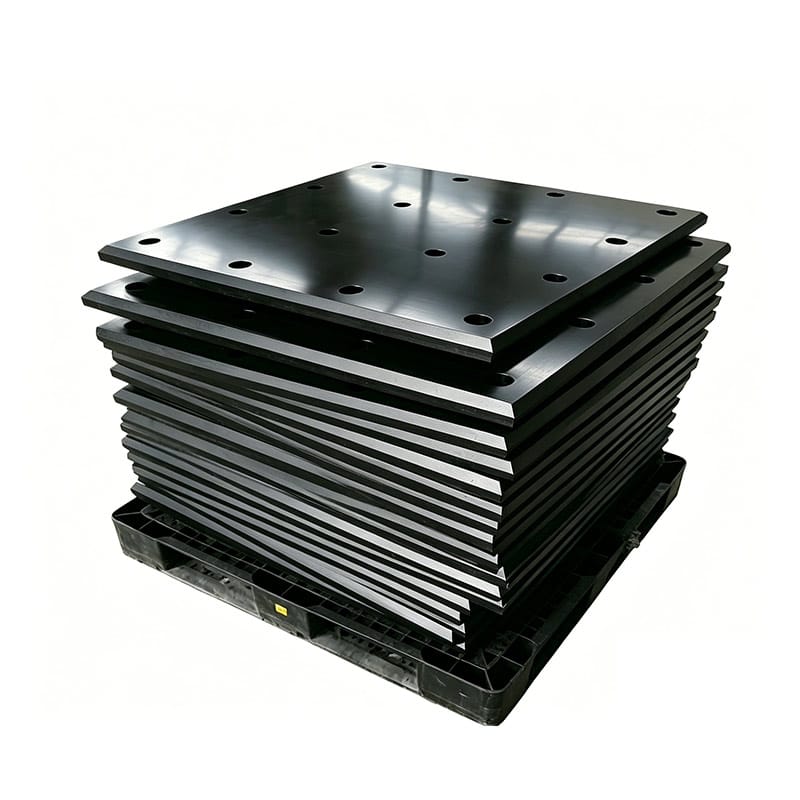
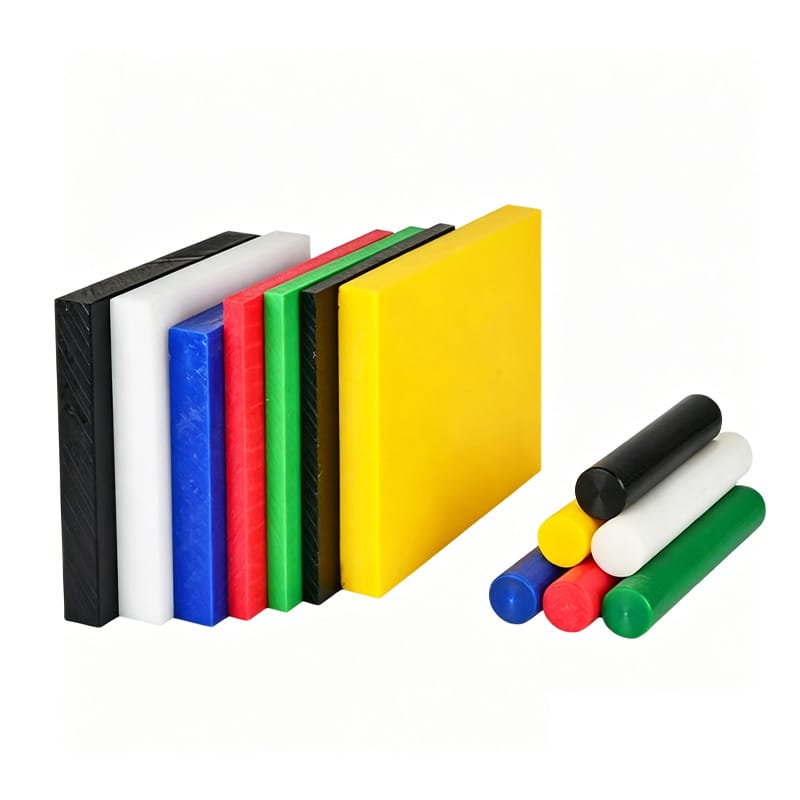
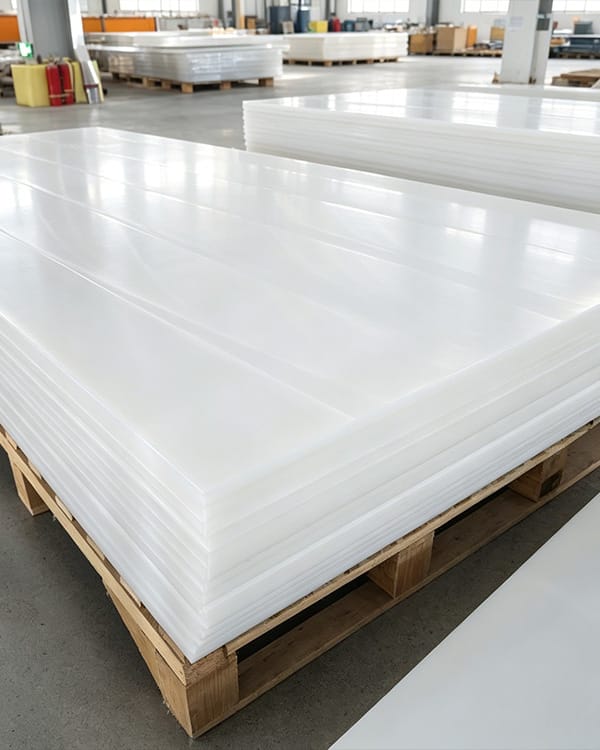
Standard UHMWPE wear strips are useful when the conveyor frame accepts common sizes. Custom machining is better when the profile includes grooves, tabs, countersinks, side slots, or a special cross-section. Paowo can manufacture strips from UHMWPE sheets or produce custom UHMWPE machined parts when the drawing requires a special shape.
For OEM conveyor builders, custom UHMWPE wear strips can improve assembly consistency. For maintenance teams, a repeatable replacement part can reduce field cutting during shutdown. In both cases, clear drawings and part numbers make future reorders easier.
Noise and Maintenance Considerations
UHMWPE wear strips can help reduce conveyor noise by replacing hard metal contact with a lower-friction plastic surface. Noise is not only an operator comfort issue; it can also signal vibration, misalignment, or unstable chain movement. If a conveyor becomes louder after replacement, check alignment, chain condition, fasteners, and strip profile before assuming the material is the problem.
Maintenance teams should inspect UHMWPE wear strips for grooves, uneven wear, loosened fasteners, cracks around holes, and material buildup. A planned replacement schedule is usually better than waiting for a strip to fail and damage the chain or frame. The NIOSH noise and hearing loss prevention resource is helpful background for workplaces that monitor machinery noise exposure.
Cleaning method also matters. In wet or food-related lines, check whether the profile traps residue. For food-contact discussions, buyers can consult the FDA food contact substances information and confirm the specific requirement for the application.
What to Include in a Quotation Request
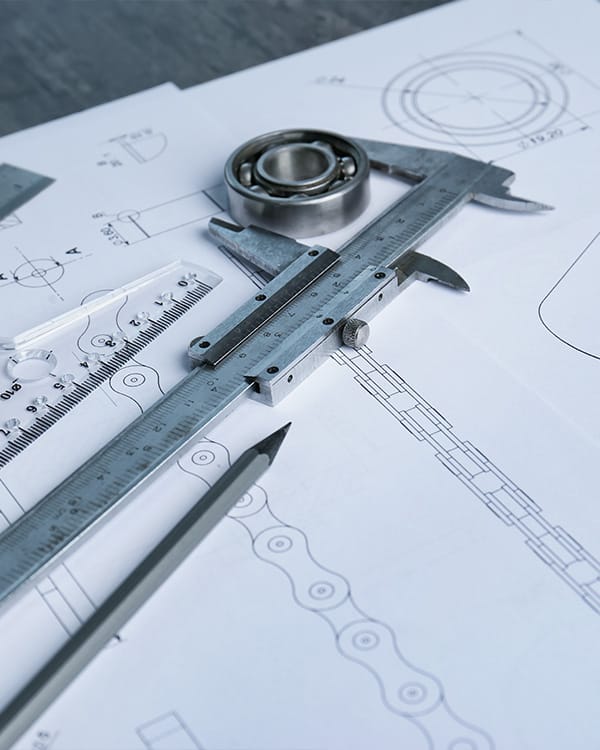
A good request for UHMWPE wear strips should include profile drawing, length, width, thickness, color, quantity, mounting hole details, operating temperature, chain type, and whether the conveyor runs wet or dry. Photos of the current strip and conveyor frame are useful when replacing an old part. If the strip failed early, include photos of the worn area.
If the part is used in a larger machine, Paowo’s industrial machinery plastic parts page may help you identify related UHMWPE components. For full project support, the OEM and ODM custom service page explains the custom workflow.
For repeat purchases, keep one approved drawing for each set of UHMWPE wear strips. Small changes in groove width, hole spacing, or rail height can affect chain behavior. If maintenance teams modify UHMWPE wear strips in the field, record the change before the next order. That simple habit helps future UHMWPE wear strips arrive closer to the real conveyor requirement and installation plan.
Selection Checklist
- Confirm chain type, path, speed, load, and contact surface.
- Choose a flat, U, L, or custom profile based on the actual frame.
- Plan holes, slots, countersinks, joints, and expansion clearance.
- Check whether washdown, temperature, or food-contact requirements apply.
- Keep drawings and part numbers for repeat orders.
UHMWPE wear strips are simple only when they are selected with the conveyor in mind. The right profile, mounting detail, and material grade can reduce friction, noise, and maintenance work. To discuss a conveyor project, review Paowo’s conveyor system components page or contact Paowo through the contact page.