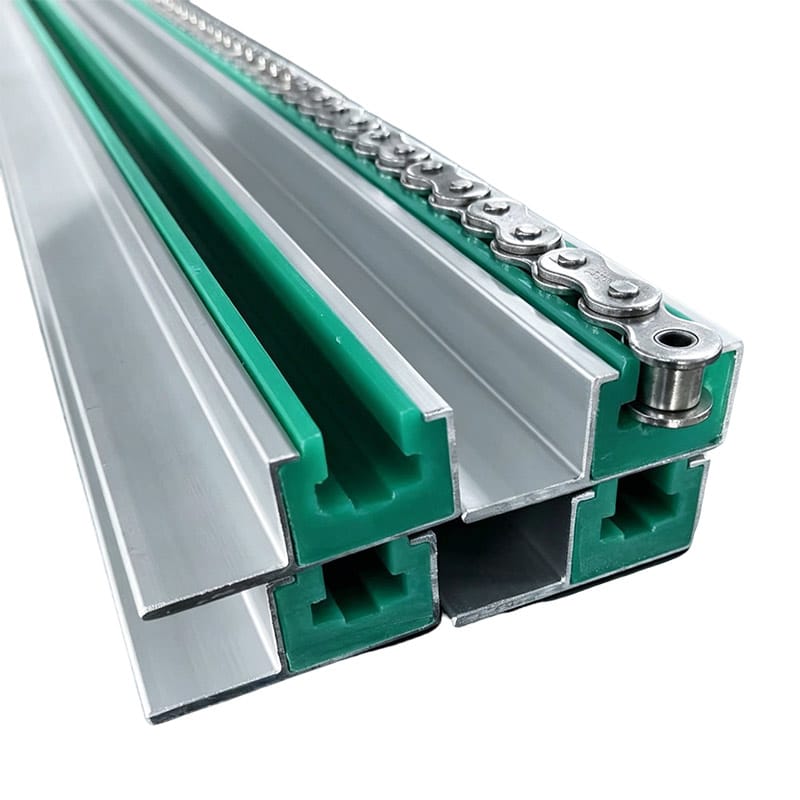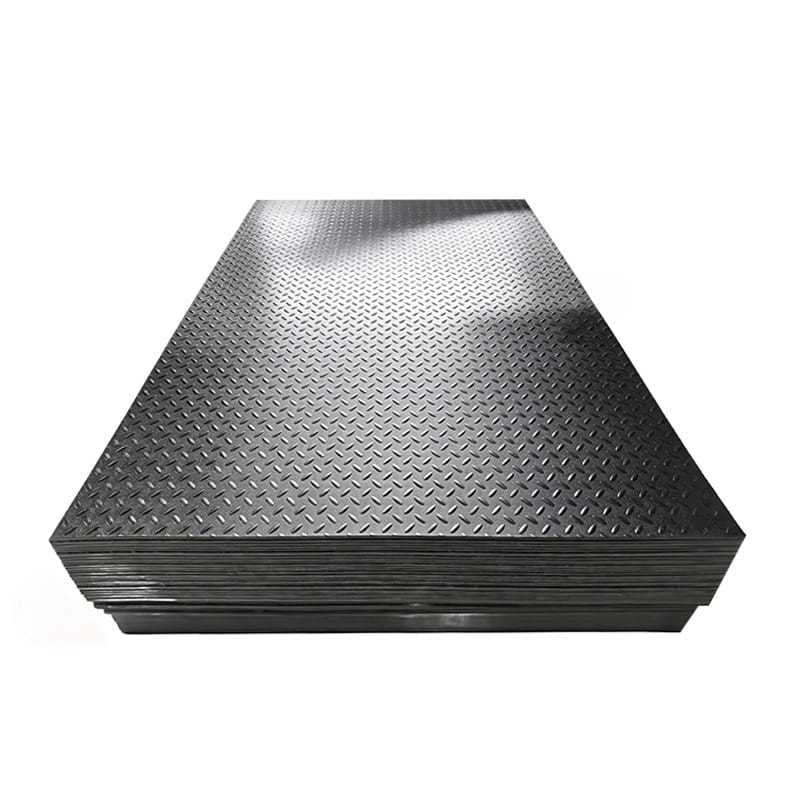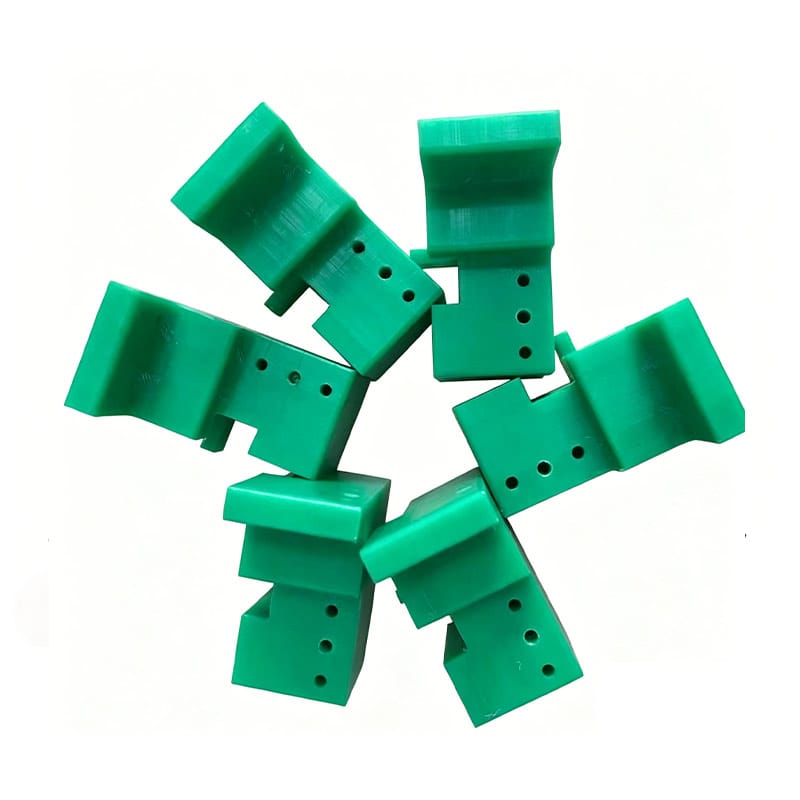
Table of Contents
Choosing UHMWPE wear liners for a chute, hopper, bunker, or transfer point is not just a material purchase. It is a decision about flow, shutdown time, cleaning effort, installation space, and the way abrasive bulk material behaves inside real equipment. When the liner is too thin, poorly fastened, or installed without considering impact zones, the system may still suffer from buildup, plugging, or premature wear. When the liner is selected well, it can help material move more consistently and make maintenance easier to plan.
This guide is written for plant engineers, maintenance teams, project buyers, and OEM equipment builders who need a practical way to evaluate UHMWPE wear liners before requesting a quotation. It focuses on the details that usually matter in mining, aggregate, cement, grain, recycling, and other bulk material handling applications.
What UHMWPE Wear Liners Are Designed to Solve
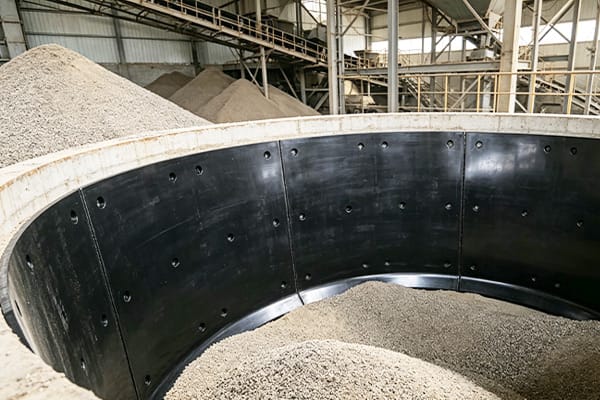
UHMWPE wear liners are installed on surfaces that come into repeated contact with moving bulk solids. Typical positions include chute walls, hopper slopes, silo discharge areas, conveyor transfer points, truck beds, and storage bins. The goal is to create a low-friction, wear-resistant surface between the structure and the handled material.
The material itself is a high molecular weight polyethylene known for abrasion resistance, impact strength, and a naturally low coefficient of friction. For a general technical background, see the overview of ultra-high-molecular-weight polyethylene. In practical equipment, those properties are useful because many bulk solids do not simply slide like dry sand. They can bridge, stick, pack, drag, or strike the same area again and again.
That is why UHMWPE wear liners are often chosen when metal surfaces become polished, grooved, corroded, or difficult to clean. They are not a cure for every flow problem, but they are a strong option when the main issue is friction, sticking, abrasion, or a combination of these conditions.
Start With the Material Flow Problem
Before selecting thickness or fasteners, define the actual operating problem. A chute that handles dry pellets has different needs from a hopper that receives sharp ore, wet coal, recycled glass, or sticky clay. UHMWPE wear liners should be specified around the movement of the material, not only around the drawing size.
Ask whether the material is mainly sliding, falling, scraping, or compacting. Sliding material puts more emphasis on low friction. Falling material creates impact zones that may need thicker panels, backing support, or a different layout. Scraping material can make joints and bolt heads important. Sticky material often requires attention to surface finish, slope angle, and whether seams can become collection points.
If the equipment has repeated buildup, inspect where buildup begins. If it starts at welds, corners, bolt heads, or worn steel patches, the UHMWPE wear liners layout should reduce those interruptions. If material hangs up across a large flat section, the slope, moisture, particle size, and surface friction all need to be considered together.
How to Choose Liner Thickness
There is no single thickness that fits every installation. A light-duty grain chute, a recycling transfer point, and a mining hopper may all use UHMWPE wear liners, but the expected load and wear pattern are not the same. Thickness should reflect impact, abrasion, available space, and how long the plant wants UHMWPE wear liners to stay in service before planned replacement.
| Application condition | Selection priority | What to check before ordering |
|---|---|---|
| Low-impact sliding flow | Low friction and smooth joints | Slope angle, sheet size, seam position |
| Moderate abrasion | Balanced thickness and wear life | Particle shape, flow rate, cleaning method |
| High-impact loading zone | Impact support and secure fastening | Drop height, backing plate, bolt pattern |
| Sticky or wet material | Surface continuity and drainage | Moisture, buildup points, access for cleaning |
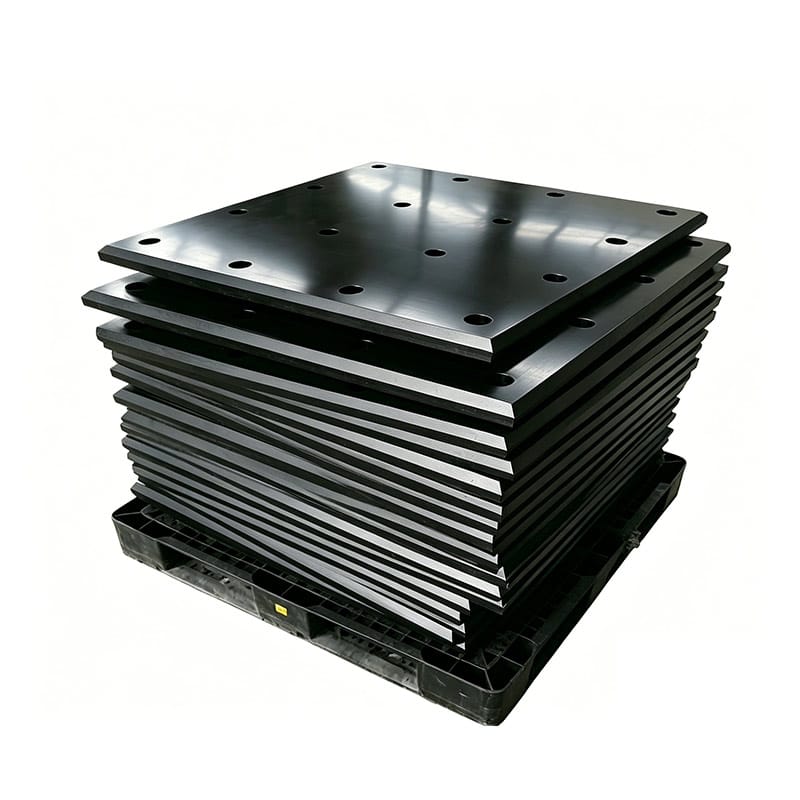
In many projects, buyers send only length and width. That is a useful start, but it is not enough for reliable selection. For better recommendations, include material type, temperature range, chute angle, loading pattern, existing liner material, and any photos showing wear or buildup. If UHMWPE wear liners will be made from UHMWPE engineering plastic sheets, the supplier can usually cut, drill, countersink, or machine the panels to match the installation plan.
Compare UHMWPE With Steel and Other Plastics
Steel is strong and familiar, but it is not always the best contact surface for moving bulk material. It can be noisy, heavy, and prone to material sticking in some applications. It also changes surface condition as it wears. The broad concept of mechanical abrasion helps explain why repeated contact from particles can gradually remove or deform surfaces.
UHMWPE wear liners are often selected where the plant wants a lighter panel with low friction and good wear behavior under sliding contact. Compared with general HDPE, UHMWPE is usually preferred for tougher wear environments because it is engineered for higher abrasion resistance and impact performance. Compared with nylon, UHMWPE can be attractive when moisture absorption and low sliding friction are key concerns.
The right choice still depends on the job. Very high temperature zones, sharp cutting wear, chemical exposure, or severe impact may require additional engineering review. UHMWPE wear liners should be used within conditions that match the material grade, installation design, and expected service environment for UHMWPE wear liners.
Plan the Fastening Method Early
Fastening is one of the most common reasons a good liner material performs poorly. UHMWPE wear liners expand and contract differently from steel, so the mounting method should allow for movement while keeping panels secure. Oversized holes, countersunk bolts, plug welding with embedded fasteners, or mechanical retaining systems may be considered depending on the structure and the size of the UHMWPE wear liners.
Keep bolt heads away from the main flow path when possible. Raised fasteners can catch material, accelerate local wear, and create buildup points. For long chute walls, panel joints should be placed so material flows over them smoothly. In impact areas, the backing structure matters because the liner needs support behind it; a panel cannot compensate for a weak or distorted base.
Maintenance safety also matters. Any work around conveyors, chutes, and moving equipment should follow site procedures and applicable safety rules. General guidance on machinery hazards is available from OSHA machine guarding, and mining-related safety resources are available through NIOSH Mining.
When Custom Machining Is Worth It
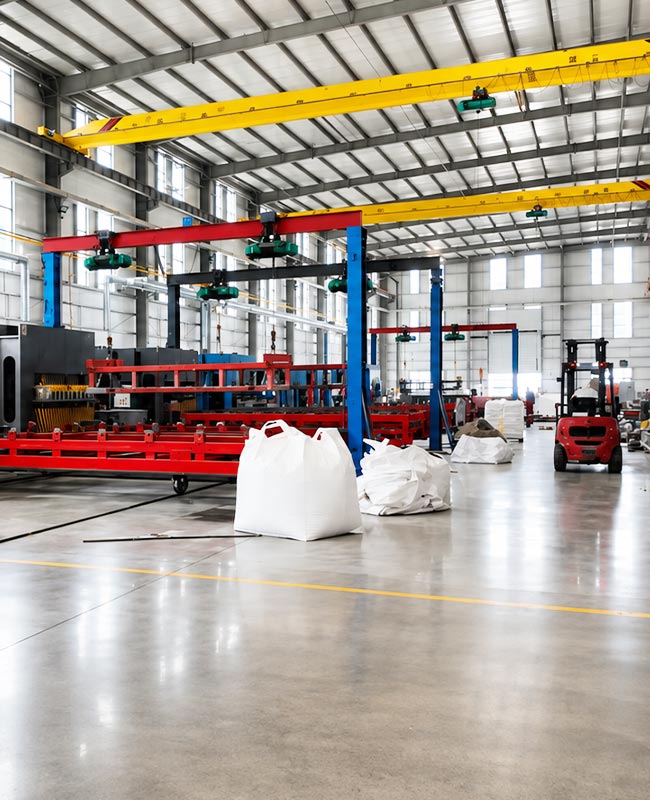
Flat panels are enough for many UHMWPE wear liners projects, but some equipment needs more than a simple rectangle. Custom machined parts can include shaped edges, slots, grooves, countersunk holes, curved sections, or small wear components that fit around existing frames. If the equipment has limited installation space, custom UHMWPE machined parts can reduce field cutting and make replacement work more predictable.
UHMWPE wear liners can also be supplied as kits when the buyer provides drawings, templates, or clear measurements. For OEM builders, repeatable liner kits are easier to install during production and easier for customers to reorder later. For maintenance teams, a labeled set of panels can reduce confusion during shutdown work.
If you are not sure whether a standard sheet or a machined set is better, send the operating conditions and photos with the inquiry. Paowo can review the requirement through its OEM and ODM custom service and suggest a practical manufacturing route.
Common Mistakes to Avoid
The first mistake is choosing UHMWPE wear liners only by price per sheet. A lower sheet cost can become expensive if the panel needs excessive site cutting, does not match the bolt pattern, or fails early at a high-impact point. The second mistake is ignoring the transition between lined and unlined areas. If material catches at an edge, buildup may begin exactly where the UHMWPE wear liners end.
The third mistake is copying a previous liner thickness without checking whether the material flow has changed. Plants often increase throughput, change suppliers, or process material with different moisture and particle shape. UHMWPE wear liners that worked in one season may need adjustment when operating conditions change.
The fourth mistake is placing seams in the wrong direction. Whenever possible, joints should support the natural flow path rather than oppose it. A smooth liner surface loses much of its value if the installation leaves steps, gaps, or sharp exposed edges.
Information to Send for a Better Quotation
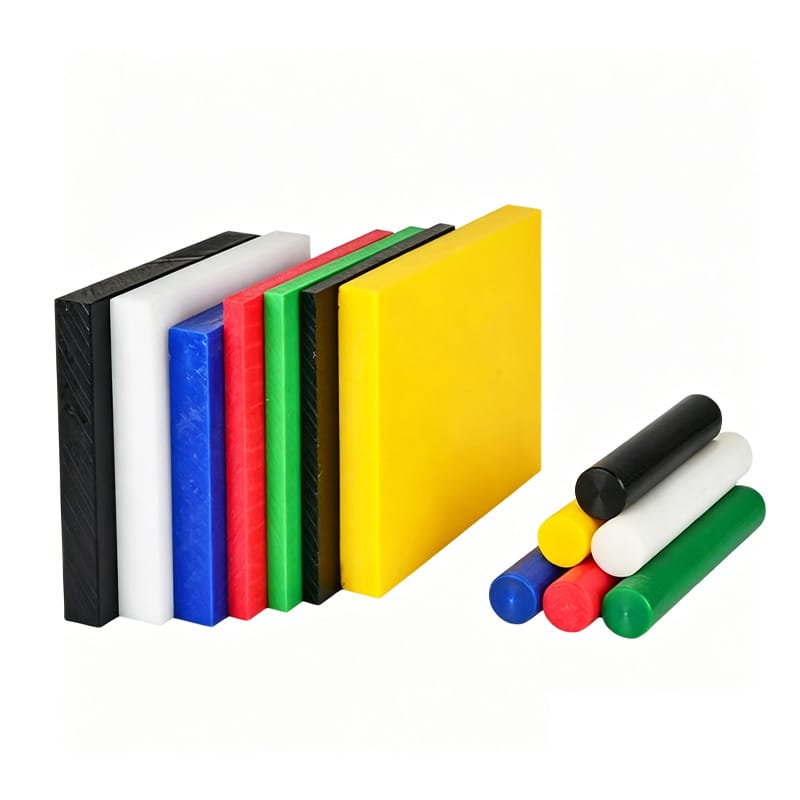
A clear request helps the supplier recommend UHMWPE wear liners that fit the equipment instead of simply quoting a generic sheet. Include overall dimensions, thickness preference if known, quantity, color, required hole pattern, operating temperature, material handled, photos of the installation area, and drawings if available. If the liner replaces steel, rubber, ceramic, or another plastic, mention the current material and the reason for replacement.
For chutes and hoppers, photos are especially helpful because they show flow direction, impact zones, previous wear marks, and available access. If you have a drawing for UHMWPE wear liners, mark the material flow direction and any areas where countersunk bolts or special machining are required.
Final Selection Checklist
- Confirm the handled material, including moisture, particle size, and abrasiveness.
- Identify whether the main problem is sticking, abrasion, impact, noise, or cleaning difficulty.
- Choose thickness based on the actual duty level, not only the sheet size.
- Plan fastening, expansion clearance, seams, and access before production.
- Use custom cutting or machining when it improves installation quality.
UHMWPE wear liners are most effective when the product, equipment, and installation method are considered together. If your chute, hopper, bunker, or transfer point has recurring wear or buildup, share the working conditions with Paowo before ordering. You can review the product details for UHMWPE wear liners or send drawings and photos through the contact page for a tailored recommendation.