Inhaltsverzeichnis
Wear Liner Maintenance wird zu einem nützlichen Engineering-Thema, wenn es mit einem echten Betriebsproblem verbunden ist Käufer brauchen selten eine isolierte Material-Fakt; sie brauchen eine vertretbare Möglichkeit, um Zitate zu vergleichen, Zeichnungen zu überprüfen, Installation zu planen und sich auf Inspektion zu einigen Dieser Leitfaden erklärt, wie Grundliniendicke, Zonen mit hoher Verschleißbelastung, Verbindungszustand, Befestigungselemente, Halt, Restlaufzeit, Shutdown-Zugang und Ersatzsequenzierung dokumentiert werden sollten.
Eine anwendungsorientierte Entscheidung zur Wartung von Verschleißfolien beginnt mit der Anwendung, nicht mit einem Katalogetikett. Eine disziplinierte Überprüfung wird die Pflicht aufzeichnen, die Kontrollbedingungen identifizieren und den Lieferanten bitten, zu bestätigen, was in der vorgeschlagenen Lösung enthalten ist. Dieser Prozess reduziert Mehrdeutigkeiten, ohne so zu tun, als ob eine Regel für jede Maschine oder Website passt.
Die nachstehende Anleitung ist für die Beschaffung und technische Planung bestimmt, sie ersetzt nicht Ausrüstungshinweise, eine kompetente Standortbewertung oder eine projektspezifische technische Überprüfung, wo Sicherheit oder Abnahme von der Wartung der Verschleißfolie abhängt, verwenden Sie dokumentierte Eingaben und holen Sie die Genehmigung der verantwortlichen Person ein.
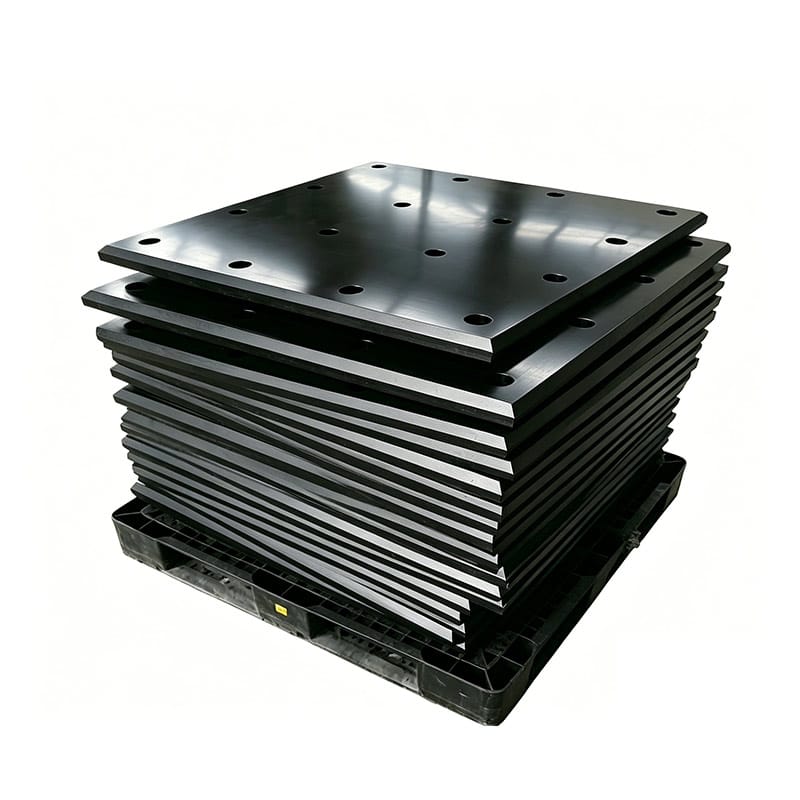
Was die Wartung von Verschleißlinern in einem echten Projekt bedeutet
Unter Wear Liner Maintenance versteht man am besten eine Reihe von Anwendungsanforderungen im Zusammenhang mit Schüttgut, Aufprallzone, Strömungsrichtung, Stützstruktur, Befestigung, Verbindungslayout, Zugang und geplanter Austauschmethode. Der Ausdruck sollte nicht als vollständige Spezifikation für sich betrachtet werden. Zwei Anfragen mit denselben Wörtern können unterschiedliche Abmessungen, Qualitäten, Layouts oder Inspektionsmethoden erfordern, da ihre Servicebedingungen unterschiedlich sind.
Für einen RFQ-Besitzer ist die praktische Bedeutung der Wartung von Verschleißlinern ein gemeinsamer Entscheidungsdatensatz. Es sollte zeigen, welche Informationen bereitgestellt wurden, welche Annahmen verwendet wurden, welche die Steuerleistung aufweisen und was vor dem Versand oder der Verwendung überprüft wird. Dies erleichtert technische Diskussionen und verhindert, dass Nominalbeschreibungen zu zufälligen Garantien werden.
Warum diese Entscheidung eine schriftliche Grundlage verdient
Eine schriftliche Grundlage für die Wartung von Verschleißlinern schützt sowohl den Einkauf als auch den Betrieb. Der Einkauf kann Angebote im gleichen Umfang vergleichen, während das Engineering erkennen kann, ob Ausschlüsse, Toleranzen und Standortverantwortlichkeiten klar sind. Die Wartung erhält auch eine Grundlage für zukünftige Inspektionen, anstatt sich auf den Speicher zu verlassen, nachdem die Komponente in Betrieb war.
Die Übung sollte keinen unnötigen Papierkram erzeugen Eine prägnante Wartungsaufzeichnung für Verschleißliner sollte sich auf die wenigen Bedingungen konzentrieren, die das Ergebnis verändern können Wenn ein Wert nur eine Schätzung ist, kennzeichnen Sie ihn als Schätzung Wenn eine Dimension kritisch ist, identifizieren Sie das Datum und die Messmethode Wenn der Standort den Boden, die Ausrichtung oder den Support überprüfen muss, weisen Sie diese Verantwortung explizit zu.
Wichtige Faktoren, die überprüft werden müssen
Dokumentieren Sie diese Kontrollbedingungen, bevor Sie die Wartung der Verschleißfolie genehmigen. Sie sind verbunden, sodass eine Änderung möglicherweise einen zweiten Blick auf die anderen erfordert:
- Eigenschaften des Massenmaterials: Beschreiben Sie den tatsächlichen Zustand und vermeiden Sie es, sich auf einen breiten Produktnamen zu verlassen.
- Aufprall - und Gleitzonen: beschreiben Sie den tatsächlichen Zustand und vermeiden Sie es, sich auf einen breiten Produktnamen zu verlassen.
- Supportbedingung: Beschreiben Sie den tatsächlichen Zustand und vermeiden Sie es, sich auf einen breiten Produktnamen zu verlassen.
- Befestigungslayout: Beschreiben Sie den tatsächlichen Zustand und vermeiden Sie es, sich auf einen breiten Produktnamen zu verlassen.
- Erweiterungsfreigabe: Beschreiben Sie den tatsächlichen Zustand und vermeiden Sie es, sich auf einen breiten Produktnamen zu verlassen.
Diese Faktoren machen die Wartung von Verschleißlinern von einer Suchphrase zu einer umsetzbaren Spezifikation. Ein Lieferant kann genauer reagieren, wenn der RFQ Pflicht und Schnittstellen beschreibt, anstatt eine generische Empfehlung einzuholen.
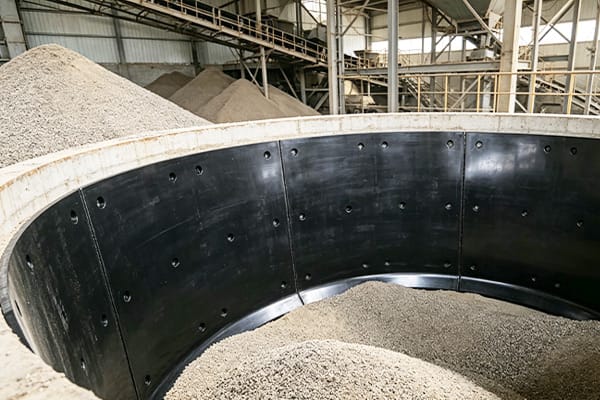
Technischer Schwerpunkt für die Wartung von Verschleißlinien
Der technische Schwerpunkt der Wartung von Verschleißauskleidungen liegt darauf, wie Grunddicke, Zonen mit hoher Verschleißfestigkeit, Verbindungszustand, Befestigungselemente, Haltbarkeit, Restlebensdauer, Abschaltzugang und Ersatzsequenzierung dokumentiert werden sollten. Brechen Sie diese umfassende Frage in überprüfbare Artikel auf, damit ein Ingenieur, Käufer, Installateur und Lieferant die gleichen Bedingungen besprechen können.
- Eigenschaften des Massenmaterials: Überprüfen Sie den Zustand an der Schnittstelle, nicht nur am isolierten Produkt. Beachten Sie die Auswirkungen auf die Produktauswahl und -überprüfung.
- Schlag - und Gleitzonen: Definieren Sie den Zustand in messbarer Projektsprache Beachten Sie die Implikation für die Produktauswahl und - verifizierung.
- Supportbedingung: Identifizieren Sie, wem die Eingabe gehört und woher sie stammt Beachten Sie die Implikation für die Produktauswahl und - verifizierung.
- Befestigungslayout: Verbinden Sie den Zustand mit einer Zeichnung, einer Standortprüfung oder einer Annahmestelle Beachten Sie die Auswirkungen auf die Produktauswahl und -überprüfung.
- Erweiterungsfreigabe: Erfassen Sie den Normalfall und den glaubwürdigen Grenzfall Beachten Sie die Implikation für die Produktauswahl und - verifizierung.
Gehen Sie nicht davon aus, dass ein günstiges Ergebnis für einen dieser Punkte die gesamte Wartungsentscheidung für die Verschleißfolie regelt. Schnittstellen steuern häufig das Ergebnis: Ein geeignetes Material kann bei unzureichender Unterstützung immer noch schlecht funktionieren, eine fundierte Berechnung kann bei falscher Standorteingabe fehlschlagen und ein genauer Teil kann abgelehnt werden, wenn die Messgrundlage nie vereinbart wurde.
Eine schrittweise Bewertungsmethode
Nehmen Sie eine Bewertungssequenz für die Wartung von Verschleißlinern an, damit wichtige Eingaben zwischen der ersten Anfrage und der endgültigen Bestellung nicht verschwinden.
- Den Materialfluss abbilden: Fund, Informationsquelle, sowie jede offene Frage, die noch einer Genehmigung bedarf, festhalten.
- Identifizieren Sie Aufprall- und Gleitzonen: Notieren Sie den Befund, die Informationsquelle und alle offenen Fragen, die noch genehmigt werden müssen.
- Überprüfen Sie die unterstützenden Stahlarbeiten: Notieren Sie den Befund, die Informationsquelle und alle offenen Fragen, die noch einer Genehmigung bedürfen.
- Legen Sie Platten und Fugen an: Notieren Sie den Befund, die Informationsquelle und alle offenen Fragen, die noch genehmigt werden müssen.
- Wählen Sie zugängliche Verbindungselemente aus: Notieren Sie den Befund, die Informationsquelle und alle offenen Fragen, die noch genehmigt werden müssen.
- Definieren Sie Inspektions- und Ersatzpunkte: Notieren Sie den Befund, die Informationsquelle und alle offenen Fragen, die noch genehmigt werden müssen.
Fassen Sie am Ende dieser Sequenz den gewählten Wear Liner Maintenance Ansatz in Leichter Sprache zusammen Fügen Sie Annahmen und Limits neben die Entscheidung ein, anstatt sie in einer E-Mail-Kette zu verstecken Wenn sich die Bedingungen ändern, überarbeiten Sie die Aufzeichnung vor der Produktion oder Installation.
Entscheidungstabelle für Käufer und Ingenieure
Die Entscheidungstabelle bietet eine praktische Möglichkeit, die Wartung von Verschleißlinern während Lieferantengesprächen zu überprüfen. Es handelt sich um eine Entscheidungshilfe und nicht um einen Ersatz für Projektberechnungen oder Ausrüstungsanforderungen.
| Entscheidungsbereich | Was zu überprüfen | Warum es wichtig ist |
|---|---|---|
| Anwendung | Pflicht, Umwelt und Schnittstellen | Definiert das eigentliche Problem |
| Eingaben | Werte, Einheiten und Informationsquelle | Macht Berechnungen nachvollziehbar |
| Produkt | Note, Abmessungen und Konfiguration | Hält Zitate vergleichbar |
| Überprüfung | Prüfverfahren und Annahmestelle | Vermeidet subjektive Zustimmung |
| Lebenszyklus | Installation, Reinigung und Austausch | Unterstützt eine sichere, geplante Nutzung |
Ein nützlicher Vergleich der Wartung von Verschleißlinern sollte erklären, warum eine Option zur angegebenen Pflicht passt Vermeiden Sie Rankings auf der Grundlage einer einzelnen Eigenschaft, wenn die Anwendung von mehreren interagierenden Bedingungen abhängt.
Ein praktisches Planungsbeispiel
Stellen Sie sich eine Rutsche mit einer oberen Aufprallzone, einem langen Gleitabschnitt und einem schmalen Auslass vor. Ein Wartungsplan für Verschleißfolien sollte diese als separate Aufgaben behandeln. Die Plattengröße, die Verbindungsrichtung, die Unterstützung und die Exposition des Befestigungselements können unterschiedlich sein, obwohl alle Platten aus derselben Materialfamilie bestehen.
Durch die Markierung der Zonen auf einer Zeichnung lässt sich die Wartung der Verschleißfolie leichter überprüfen. Außerdem wird der Wartung eine Ersatzsequenz gegeben und verhindert, dass ein bequemes Plattengitter die Strömungsrichtung oder den Zugang am Auslass überschreitet.
Was ist in den RFQ einzubauen
Eine Käuferspezifikation für die Wartung von Verschleißlinern sollte dem Lieferanten genügend Informationen geben, um den Umfang zu bestätigen, ohne dass Vermutungen erforderlich sind. Fügen Sie Zeichnungen in einem kontrollierten Format bei und identifizieren Sie die Überarbeitung. Verwenden Sie konsistente Einheiten; die OSHA-Materialhandhabung Stellt eine Referenz für eine klare SI-Darstellung bereit.
- Geben Sie die beabsichtigte Funktion und den Grund an, warum die Wartung der Verschleißfolie überprüft wird.
- Listen Sie ggf. Betriebsbedingungen, Schnittstellen, Lasten, Geschwindigkeit, Temperatur, Feuchtigkeit, Chemikalien oder Bodeninformationen auf.
- Geben Sie Abmessungen, Mengen, Zeichnungsrevision und klar markierte kritische Merkmale an.
- Definieren Sie die tatsächlich erforderliche Inspektionsaufzeichnung, Zertifikate, Kennzeichnung, Verpackung und Dokumentsprache.
- Bitten Sie den Lieferanten, Annahmen, Ausschlüsse und Informationen zu ermitteln, die vor der Genehmigung noch erforderlich sind.
Für materialbezogene Prüfungen verwenden Sie anerkannte Referenzen anstelle von nicht unterstützten Web-Ansprüchen, je nach Thema sind nützliche Ansatzpunkte OSHA Maschinenschutz, NIH-Materialüberprüfung, und NIST SI-Leitfaden. Die jeweils geltenden Projektnormen und Ausrüstungsanweisungen bleiben kontrollierend.
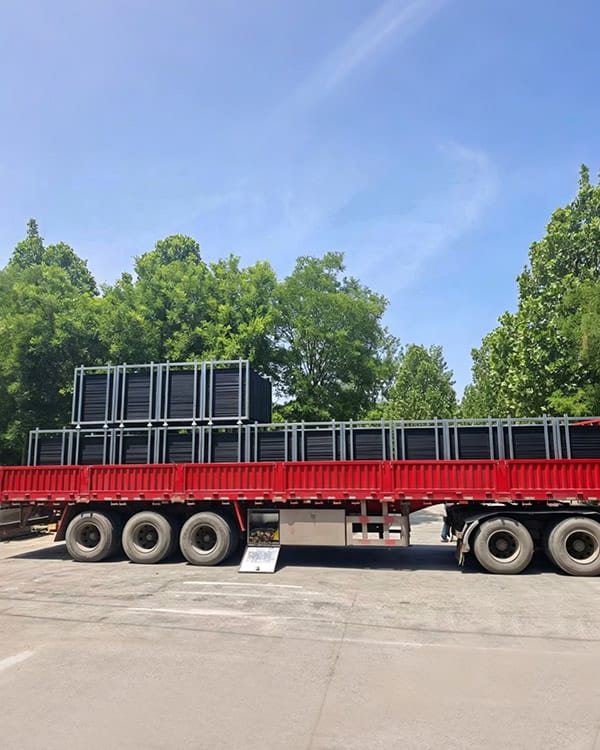
Installations-, Nutzungs- und Inspektionsplanung
Gut organisierte Wartungsplanung für Verschleißliner wird nach Erteilung einer Bestellung fortgesetzt Bestätigen Sie, wie das Produkt entladen, gelagert, identifiziert und in den Arbeitsbereich bewegt wird Schützen Sie Referenzflächen und Etiketten Wenn Komponenten in passenden Sets oder Platten geliefert werden, bewahren Sie den Installationsablauf auf.
Vergleichen Sie bei Vorgebrauchskontrollen den gelieferten Gegenstand mit dem genehmigten Wartungsprotokoll für Verschleißliner Überprüfen Sie sichtbare Schäden, Abmessungen oder Identifikation, die im Inspektionsplan angegeben sind, und den Zustand von Stützen oder passenden Teilen. Drücken Sie einen Gegenstand nicht in eine falsch ausgerichtete Baugruppe oder verwenden Sie ein Stützprodukt über einer nicht überprüften Oberfläche, nur weil die Nenngröße korrekt erscheint.
Inspektionsintervalle für die Wartung von Verschleißlinern sollten Pflicht und Konsequenz widerspiegeln, nicht eine willkürliche universelle Periode. Legen Sie eine Basislinie fest, identifizieren Sie Standorte mit hoher Belastung oder hoher Verschleißbelastung und erfassen Sie Änderungen konsistent. Die ASTM D792 Ist eine nützliche unterstützende Referenz für disziplinierte Messungen oder Standards Kontext.
Häufige Fehler, die Sie vermeiden sollten
Diese Versäumnisse verringern das Vertrauen in Entscheidungen zur Wartung von Verschleißlinern:
- Behandeln jeder Zone als dieselbe Pflicht: Dokumentieren Sie die fehlende Eingabe und beheben Sie sie vor der Genehmigung.
- Freiliegende Befestigungselemente in direkten Fluss setzen: Dokumentieren Sie den fehlenden Eingang und lösen Sie ihn vor der Genehmigung.
- Nicht unterstützte Kanten hinterlassen: Dokumentieren Sie die fehlende Eingabe und beheben Sie sie vor der Genehmigung.
- Eliminierung aller Bewegungszulagen: Dokumentieren Sie die fehlende Eingabe und beheben Sie sie vor der Genehmigung.
- Entwurf eines Panels, das nicht sicher ausgetauscht werden kann: Dokumentieren Sie die fehlende Eingabe und lösen Sie sie vor der Genehmigung.
Häufige Wartungsprobleme von Verschleißlinern beginnen als Informationslücken Eine kurze technische Überprüfung vor der Produktion ist im Allgemeinen einfacher als der Wechsel eines fertigen Teils, der Umbau einer Route oder die Untersuchung ungeklärter Abnutzung nach der Installation.
Häufig gestellte Fragen
Welche Informationen werden benötigt, um die Wartung der Verschleißfolie anzugeben?
Beginnen Sie mit der Funktion, den Betriebsbedingungen, den Schnittstellen, den Abmessungen, der Menge und den Folgen eines Ausfalls. Eine nützliche Wartungsanfrage für Verschleißfolien identifiziert auch kritische Abnahmeprüfungen und die Quelle etwaiger Last- oder Umgebungsdaten.
Kann die Wartung von Wear Liner allein aus einer Standardgröße ausgewählt werden?
Standardgrößen können die Beschaffung vereinfachen, aber die Größe allein bestätigt nicht die Eignung. Überprüfen Sie Pflicht, Support, Umgebung, Toleranz und Installation, bevor Sie die Wartung der Verschleißfolie genehmigen.
Welche Prüfung oder Norm gilt für die Wartung von Verschleißlinern?
Es gibt keine einzige universelle Antwort für jede Anwendung Verwenden Sie die Projektspezifikation, die Geräteanweisungen, die geltenden Vorschriften und die anerkannten Material - oder Messstandards Geben Sie das genaue Dokument und die Ausgabe an, wenn die Wartung der Verschleißfolie von einer formalen Anforderung abhängt.
Wie sollten Lieferanten die Wartung von Verschleißlinern angeben?
Bitten Sie jeden Lieferanten, gegen dieselbe RFQ-Revision zu zitieren und Annahmen, Ausschlüsse, Materialbeschreibung, Abmessungen, Inspektion, Verpackung und Vorlaufzeit zu identifizieren. Dadurch sind die Anforderungsvorschläge einfacher zu vergleichen, ohne sich allein auf den Preis zu verlassen.
Wann sollte die Wartung der Wear Liner erneut überprüft werden?
Überprüfen Sie die Entscheidung, wenn sich die Last, Umgebung, Geometrie, Ausrüstung, Installationsmethode oder Abnahmeanforderungen ändern. Überdenken Sie auch die Anforderung, wenn die Inspektion ungewöhnliche Verschleiß-, Bewegungs-, Riss-, Verformungs- oder Stützprobleme zeigt.
Endgültige Beschaffungscheckliste
Bestätigen Sie vor der Bereitstellung der Anforderung vor Ort, dass sowohl die Antrags- als auch die Annahmebasis vollständig sind.
- Der Zweck der Anforderung wird in einem klaren Satz angegeben.
- Die Steuerung von Lasten, Umgebung, Abmessungen und Schnittstellen wird dokumentiert.
- Annahmen und Verantwortung für die Standortüberprüfung sind sichtbar.
- Das Produkt, die Zeichnungsrevision, die Menge und die kritischen Merkmale werden bestätigt.
- Inspektions-, Markierungs-, Verpackungs-, Handhabungs- und Ersatzerwartungen werden definiert.
- Interne Stakeholder und der Lieferant arbeiten an derselben Überarbeitung.
1TP3 T liefert technische Kunststoffprodukte für Industrieprojekte, aber eine nützliche Empfehlung hängt von genauen Anwendungsinformationen ab Überprüfen Sie die relevanten Produktseite, die Zugehöriger technischer Leitfaden, die Anwendungsressource, und die Begleitartikel. Dann nutzen Sie die Kontaktseite Zeichnungen und Betriebsbedingungen für eine projektspezifische Diskussion über die Anforderung zu senden.