Inhaltsverzeichnis
Auswählend UHMWPE-Blätter by thickness alone can lead to the wrong result. A sheet that looks strong enough on paper may still bend, wear unevenly, or be difficult to install if the working conditions are not understood. For buyers, maintenance engineers, and OEM designers, the better question is not simply “What thickness is available?” The better question is “What will these UHMWPE sheets do inside the equipment?”/p>
This guide explains how to choose UHMWPE sheets for liners, guide rails, wear strips, sliding plates, pads, and machined parts. It focuses on real selection factors: load, sliding contact, impact, fastening, machining, temperature, and replacement planning. It is written for industrial teams that need practical material guidance before requesting a quotation.
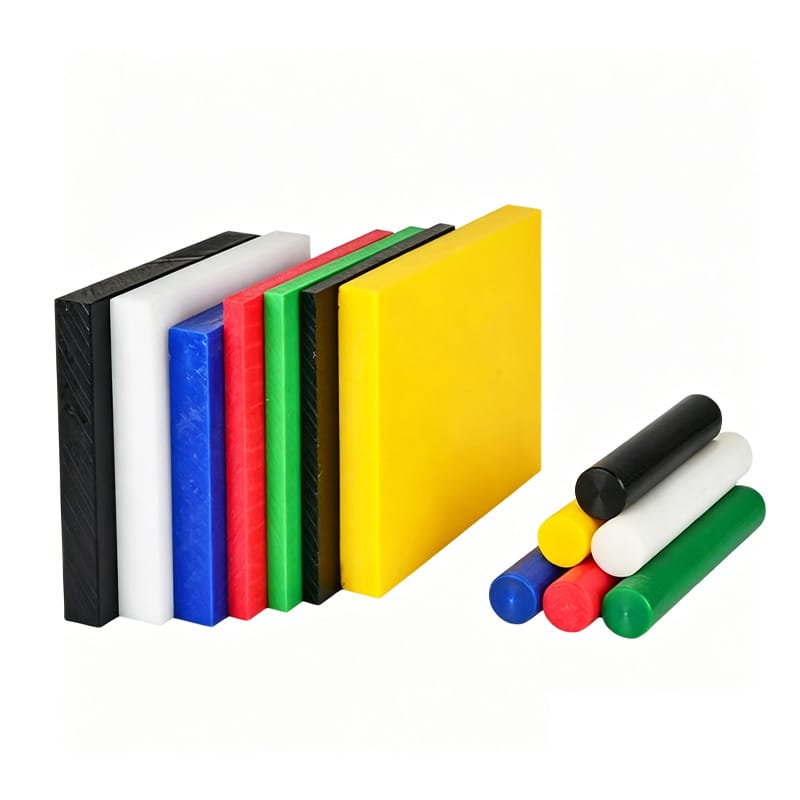
Start With the Function of the Sheet
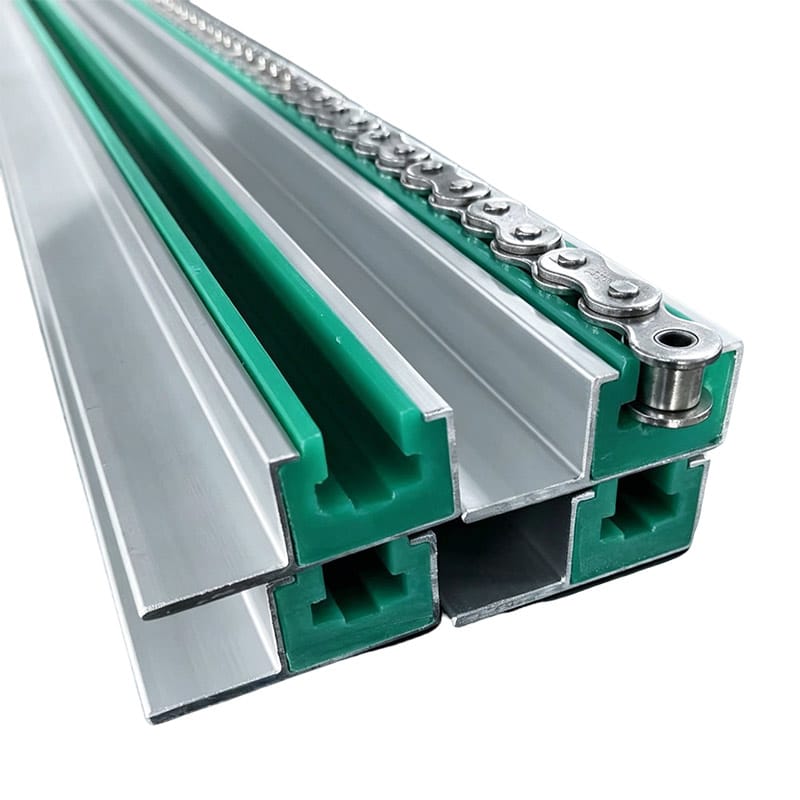
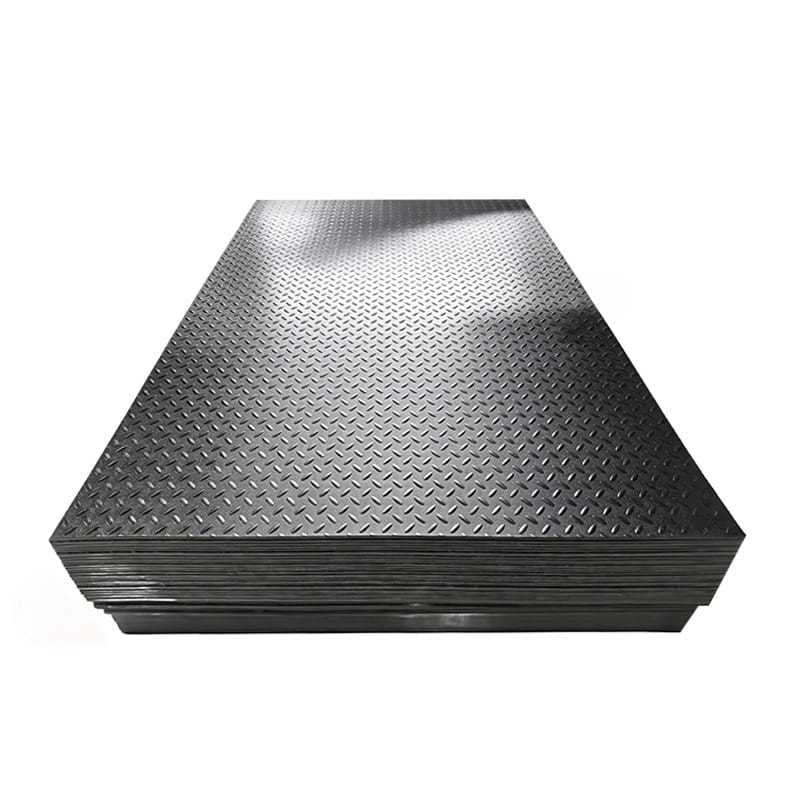
Before discussing thickness, define the function. UHMWPE sheets used as chute liners have a different job from UHMWPE sheets used as chain guides or CNC-machined sliders. A liner may need a broad low-friction surface. A guide rail may need profile stability. A machined part may need accurate holes, grooves, or slots. A sliding plate may need support across its full area so it does not flex under load.
The material is valued because ultra-high-molecular-weight polyethylene combines abrasion resistance, impact strength, and low friction. For a general background on the polymer, the overview of Ultrahochmolekulares Polyethylen is useful. In purchasing terms, however, UHMWPE sheets should be specified around application duty rather than only around polymer name.
When the purpose is clear, the rest of the decision becomes easier. You can judge whether the sheet needs to resist abrasion, spread load, reduce noise, guide a chain, protect steel, or provide a machinable blank for Maß UHMWPE bearbeitete Teile.
How Thickness Affects Performance
Thicker UHMWPE sheets are not automatically better. Thickness adds stiffness, wear allowance, and impact absorption, but it also adds weight, cost, and installation clearance. In many projects, the best thickness is the one that gives enough working life while still fitting the equipment and fastening method.
Thin UHMWPE sheets can work well where the surface is fully supported and the duty is light to moderate. Medium thickness is often chosen for general wear surfaces, guide parts, and replaceable liners. Heavy thickness is normally considered when there is impact, repeated abrasion, or a need for deep machining. The final decision should reflect the contact type, not just a catalog number.
| Use condition | Main concern | Selection note |
|---|---|---|
| Fully supported liner | Low friction and wear allowance | Check surface area, screw spacing, and replacement interval |
| Machined rail or guide | Dimensional stability | Leave enough material for grooves, slots, and countersinks |
| Aufprallzone | Shock and backing support | Review drop height and steel base condition |
| Sliding wear part | Friction and pressure | Check load, speed, mating surface, and lubrication policy |
Consider Support, Not Only Sheet Strength
UHMWPE sheets perform best when the structure behind them is suitable. A thin sheet on a flat steel backing may last longer than a thicker sheet installed over a warped, unsupported, or damaged surface. If the sheet bridges a gap, repeated load can create flexing. Flexing can loosen fasteners, open joints, or create uneven wear.
For liner work in Bergbau und Schüttgutumschlag, inspect the base plate before ordering. If the steel is deeply worn, cracked, or distorted, the installation may need repair before new UHMWPE sheets are fitted. For conveyor and machinery components, check whether the sheet will be supported along its full length or only at mounting points.
Machining and Tolerance Requirements
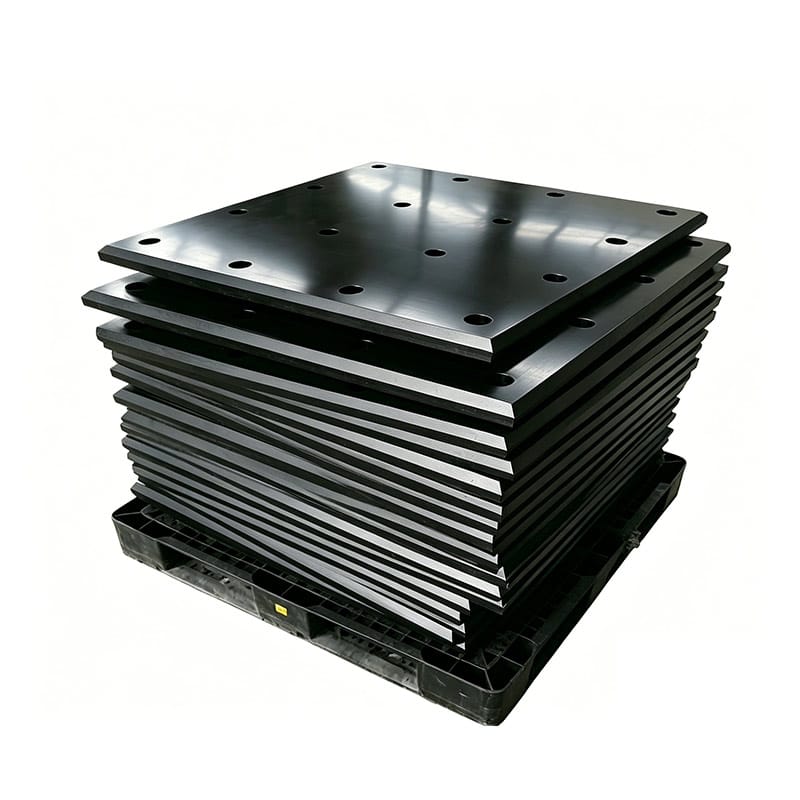
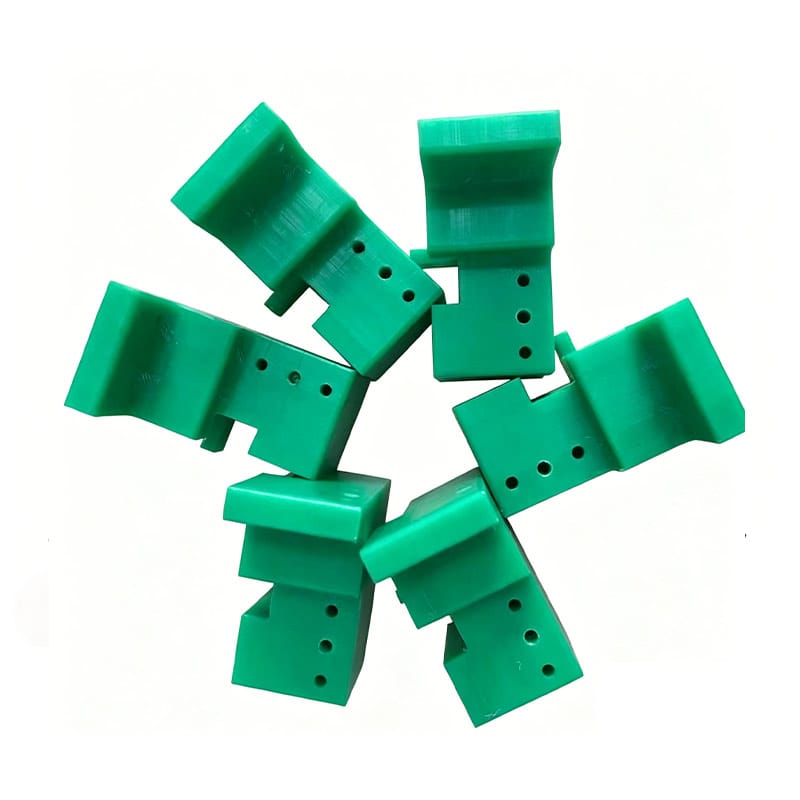
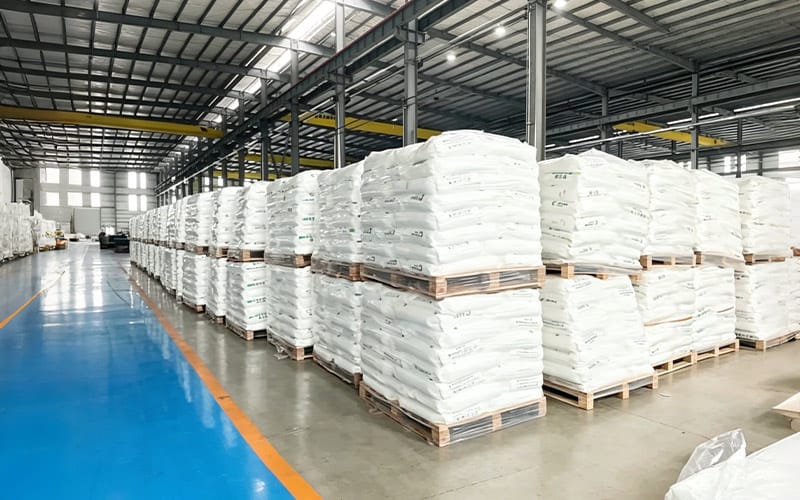
If UHMWPE sheets will be machined, the supplier needs more than the outside size. Holes, countersinks, slots, grooves, edge shapes, and tolerance expectations all affect production. The material machines well, but it behaves differently from metal. Designers should avoid unnecessary tight tolerances when the part is used as a wear component rather than a precision bearing surface.
For OEM projects, it is useful to send CAD drawings, sample photos, or a marked sketch. Paowo’s OEM- und ODM-Kundendienst can use UHMWPE sheets as the starting material for cut panels, rails, pads, and replacement parts. This is often cleaner than buying sheet stock and doing all machining in the field.
Machining also affects thickness. If the final part needs a deep groove or countersunk fastener, the starting sheet must leave enough remaining wall thickness. For example, a guide rail that looks simple from the top may require a thicker blank because the profile removes material from one side.
Material Grade and Working Environment
Standard UHMWPE sheets are suitable for many industrial uses, but special working conditions may require a grade discussion. Ask about temperature, UV exposure, static concerns, food contact requirements, color, and chemical exposure. Do not assume that every plastic sheet is interchangeable. General polymer properties are helpful, but the operating environment controls the final choice.
For food-related equipment, buyers should check the rules that apply to their market and application. The U.S. Food and Drug Administration provides general information on food contact substances. For workplace safety around machinery, the OSHA Maschinenschutz resource is also relevant when UHMWPE sheets are installed near moving parts.
If the application involves outdoor storage, abrasive fines, wet solids, or repeated washdown, mention that in the inquiry. UHMWPE sheets are tough, but no material should be selected without knowing the service conditions.
Common Ordering Mistakes
The first mistake is ordering UHMWPE sheets based only on a drawing thickness copied from an old part. If the old part failed early, repeating the same thickness may repeat the same problem. The second mistake is ignoring fastener layout. Too few fasteners can allow movement, while poorly placed fasteners can interrupt the sliding surface.
The third mistake is not telling the supplier how the sheet will be used. UHMWPE sheets for Fördersystemkomponenten may need different advice from sheets used as bin liners. The fourth mistake is leaving installation clearance until the end. Thicker sheets may require longer bolts, different countersinks, or changes to surrounding guards.
A good inquiry gives enough context for selection. Include application, size, thickness target, quantity, color, drawings, hole pattern, operating temperature, and the reason for replacement. If the sheet is part of a larger assembly, explain how it contacts the mating part.
It also helps to describe the replacement schedule. Some plants want UHMWPE sheets that can be changed quickly during a short maintenance window, while others want a heavier design that stays in place longer. If operators frequently remove panels for cleaning, handling weight and hole alignment become part of the selection. If UHMWPE sheets are installed in a hard-to-reach area, the buyer may prefer fewer joints and a more durable thickness. These practical details help the supplier recommend UHMWPE sheets that match the way the equipment is actually maintained.
Final Checklist Before You Request a Quote
- Define whether the UHMWPE sheets will be used for lining, guiding, sliding, or machining.
- Check load, impact, abrasion, support, and installation clearance.
- Send drawings or photos when holes, grooves, or special profiles are needed.
- Confirm whether the environment requires a special grade or color.
- Plan fastening and replacement access before production.
UHMWPE sheets are versatile because they can be used as stock panels, wear liners, guide components, and machined parts. The best results come from matching the sheet to the equipment rather than treating it as a generic plastic board. To discuss a project, review Paowo’s UHMWPE-Blätter product page or send drawings through the Kontaktseite.