Table of Contents
Ordering custom UHMWPE parts is easier when the supplier receives the right information at the beginning. A buyer may ask for “plastic blocks with holes,” but a machinist needs to know the function, dimensions, tolerance, quantity, contact surface, and working environment. Without that context, custom UHMWPE parts can be quoted too broadly or produced in a way that makes installation harder than necessary.
This guide explains what to prepare before requesting CNC machining for custom UHMWPE parts. It is useful for OEM engineers, maintenance teams, equipment rebuilders, and purchasing managers who need wear-resistant plastic components for conveyors, packaging machines, industrial machinery, mining equipment, or replacement assemblies.
Start With the Function of the Part
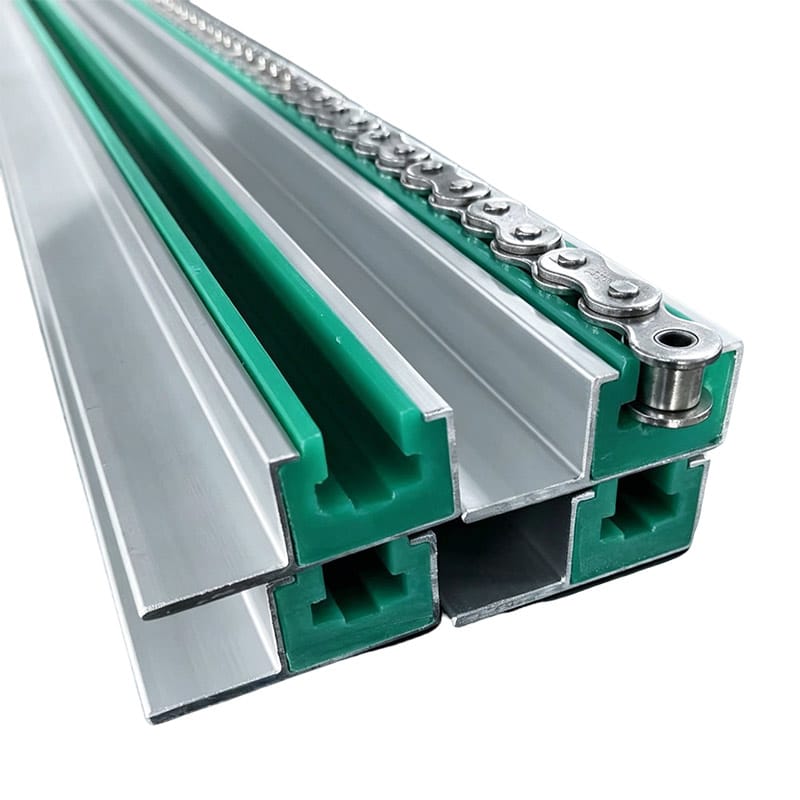
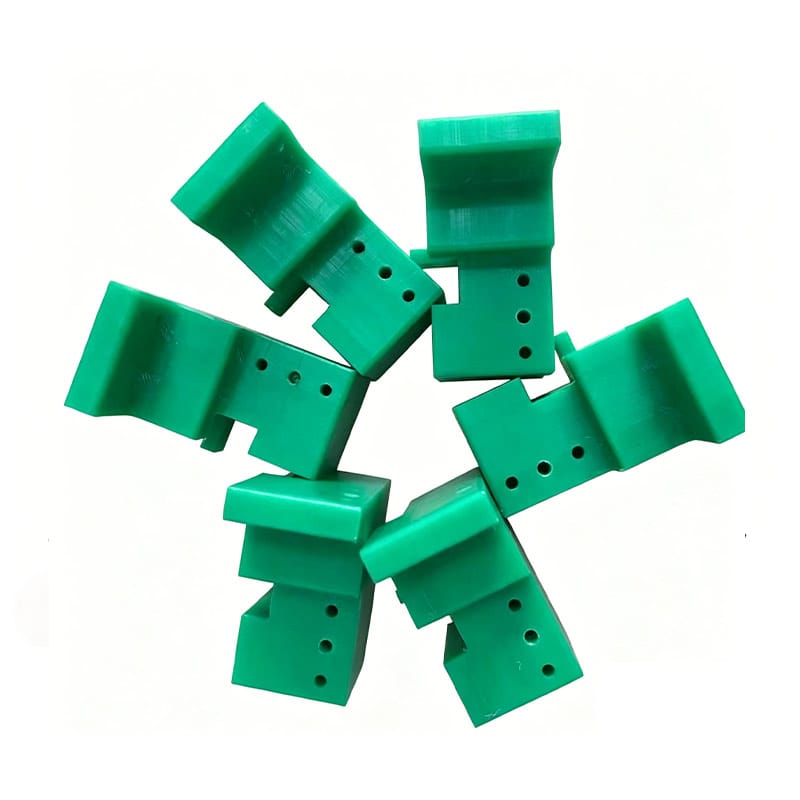
Custom UHMWPE parts can look simple but do very different jobs. A wear strip guides a chain. A slider supports movement. A pad spreads load. A bushing reduces metal-to-metal contact. A liner protects a chute. A scraper helps remove material. These functions affect material grade, thickness, machining method, and inspection requirements.
UHMWPE is commonly selected because it offers low friction, strong impact resistance, and good abrasion resistance. A general technical overview is available from ultra-high-molecular-weight polyethylene. In practice, however, custom UHMWPE parts should be designed around the way they touch steel, chain, product, or another moving surface.
Before asking for a quotation, write one sentence that describes the job of the part. For example: “This part supports a conveyor chain in a wet packaging line,” or “This block replaces a steel wear pad in a sliding machine frame.”That sentence helps the supplier understand why the shape matters.
Send Drawings, Samples, or Clear Measurements
The best way to order custom UHMWPE parts is to send a drawing. CAD files, PDF drawings, DXF files, STEP models, or marked sketches can all help. If a drawing is not available, a physical sample or detailed photos with measurements may be enough for simple parts. The key is to remove guesswork before machining starts.
Show all critical dimensions, including length, width, thickness, hole diameter, hole center distance, slot width, groove depth, countersink angle, and edge radius. If the part has a left-hand and right-hand version, mark them clearly. If custom UHMWPE parts must fit into an existing steel frame, include the frame opening or mating dimensions.
| Information to provide | Why it matters |
|---|---|
| Drawing or sample | Reduces interpretation errors and confirms geometry |
| Application description | Helps match material and machining detail to the job |
| Critical tolerances | Prevents unnecessary cost while protecting fit |
| Quantity and repeat demand | Supports production planning and future reorder consistency |
Be Practical About Tolerances
One of the most important questions for custom UHMWPE parts is tolerance. UHMWPE is not metal. It is a tough engineering plastic, and it can expand, contract, or flex differently from steel. Very tight tolerance may be possible in some features, but it should be used only where the function truly requires it.
For wear parts, the most critical features are often hole position, slot width, mating profile, and installation clearance. Overall length may not need the same tolerance as a bearing housing. If every dimension is marked as critical, production becomes slower and the quote may not reflect the real use of the part.
For guidance on general dimensional communication, engineering teams may refer to standards organizations such as ISO standards or ASME codes and standards. The exact standard depends on the buyer’s industry and drawing system, so avoid claiming a standard unless it is required and documented.
Choose the Right Starting Material
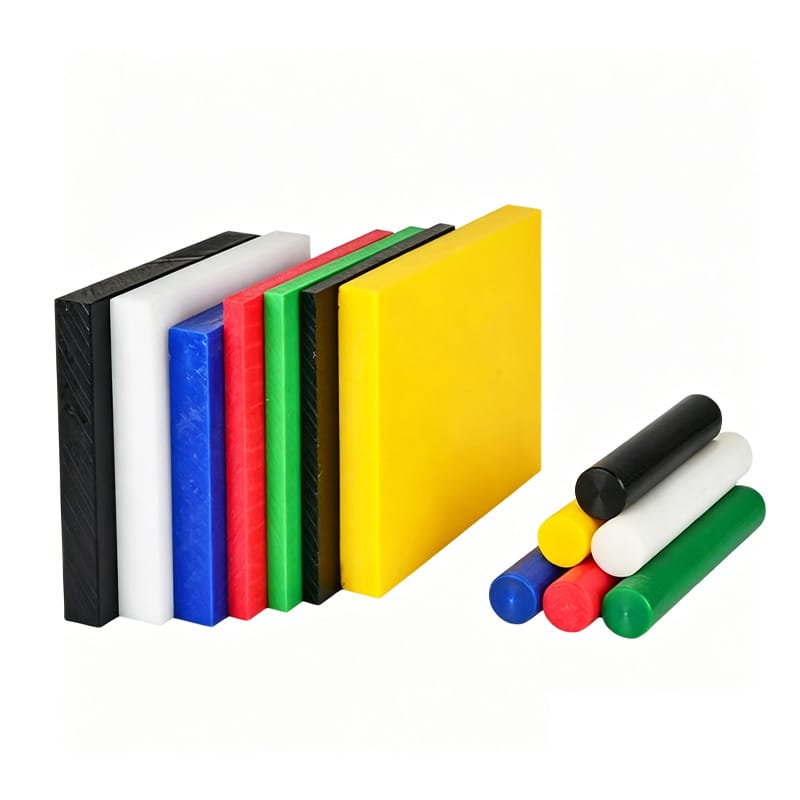
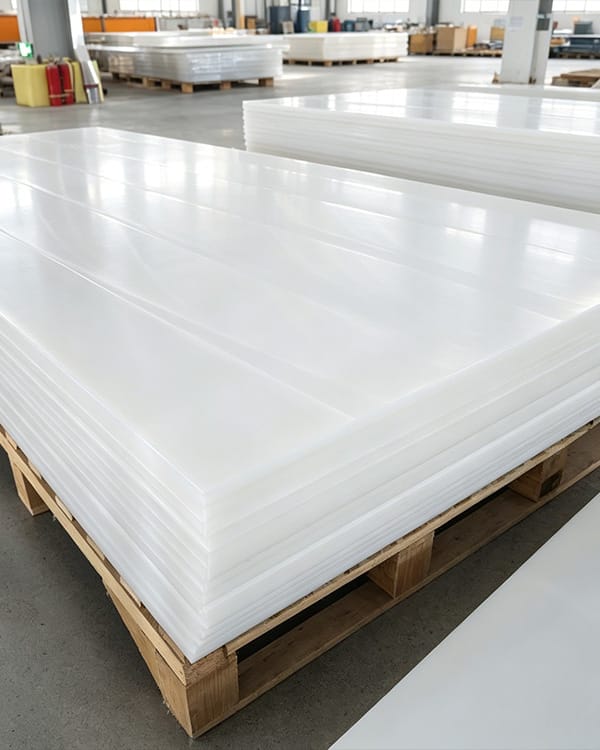
Many custom UHMWPE parts are machined from UHMWPE sheets, blocks, or profiles. The starting material affects machining time and waste. A part with a deep profile may need a thicker sheet than the final finished dimension suggests. A long rail may need attention to straightness, support, and packaging.
Material grade should match the working environment. Standard natural or colored UHMWPE can be suitable for many industrial parts. Special requirements may include food contact, anti-static behavior, UV exposure, or other project-specific needs. For food contact discussions, buyers can review general information from the FDA food contact substances page and then confirm the exact requirement for their market.
If the part will operate near moving equipment, installation and guarding should also be considered. OSHA’s machine guarding guidance is a useful reference for general safety awareness. The custom plastic part should never be treated separately from the machine it will enter.
Think About Edges, Holes, and Fasteners
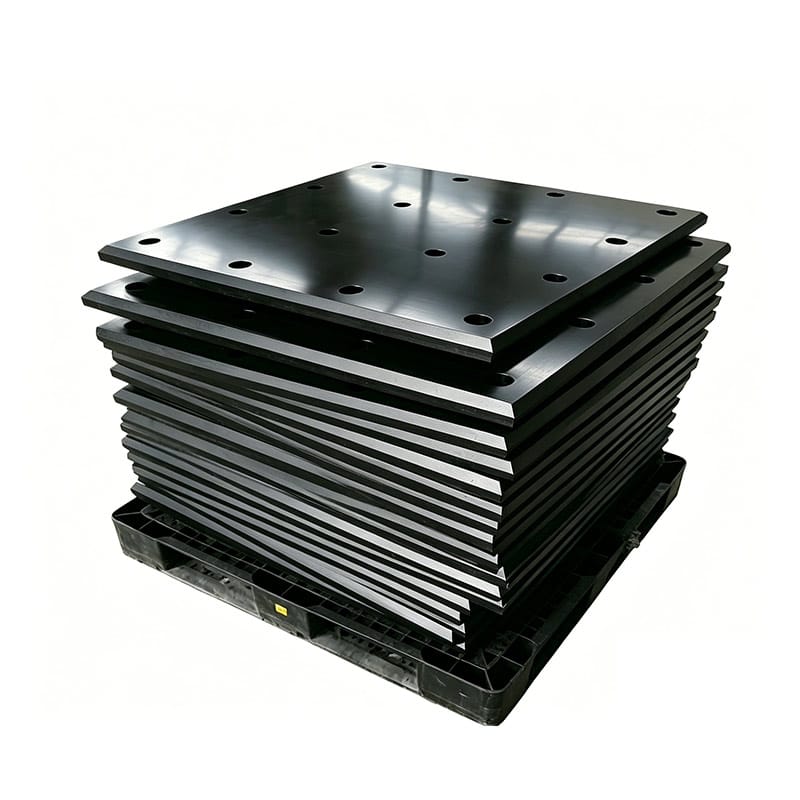
Small details often decide whether custom UHMWPE parts install smoothly. Sharp external corners may need a radius. Holes may need to be oversized to allow thermal movement. Countersunk screws may be preferred when the surface contacts product or chain. Slots may be better than round holes when adjustment is needed during installation.
When the part is used in a conveyor, check the chain path, wear direction, and cleaning method. For broader conveyor applications, Paowo’s conveyor system components page gives useful context. For machine frames, the industrial machinery plastic parts page is also relevant.

Plan for Repeat Orders
If custom UHMWPE parts will be reordered, create a stable part number and revision. This is especially important for OEMs and maintenance teams with several similar machines. A small hole change or length change can create confusion if old and new versions are mixed in the same warehouse.
Ask the supplier to keep production records when possible. Clear naming helps future orders: machine model, position, material, drawing number, and revision date. For example, “UHMWPE chain guide, Line 2, Rev B” is easier to manage than “white plastic guide.”/p>
Packaging should also match the part. Long rails need protection against bending. Small precision parts need separation to avoid surface damage. Parts with matched sets should be labeled so installation teams do not waste time during shutdown.
Common Mistakes to Avoid
The first mistake is sending only a photo without dimensions. The second is asking for metal-level tolerances when the part only needs to guide or protect. The third is forgetting the real working environment, such as water, dust, outdoor exposure, or abrasive contact. The fourth is not explaining why the old part failed.
Custom UHMWPE parts are most successful when the buyer and manufacturer understand the function together. A good supplier can machine the shape, but the buyer’s application knowledge helps determine whether the shape is right. Well-defined custom UHMWPE parts are easier to inspect, install, and reorder.
For replacement work, it is helpful to compare the new custom UHMWPE parts with the old part before production. Look for polished areas, cracks, enlarged holes, or uneven wear marks. These clues show where the old design carried load or lost support. If custom UHMWPE parts failed near a fastener, the drawing may need a larger washer area, a slot, or a different countersink. If custom UHMWPE parts wore only on one edge, the machine may need alignment review. This feedback makes custom UHMWPE parts more than copied shapes; it turns them into better-fit components for the next service cycle.
Quotation Checklist
- Send a drawing, sample, or marked photo with all key dimensions.
- Explain the function and the equipment where the part will be installed.
- Mark critical tolerances instead of applying tight tolerance everywhere.
- Confirm material grade, color, quantity, and expected repeat orders.
- Share failure photos if the new part is replacing a worn component.
With the right preparation, custom UHMWPE parts can be produced more accurately and quoted more efficiently. To start a project, review Paowo’s OEM and ODM custom service, visit the custom UHMWPE parts product page, or send your drawing through the contact page.