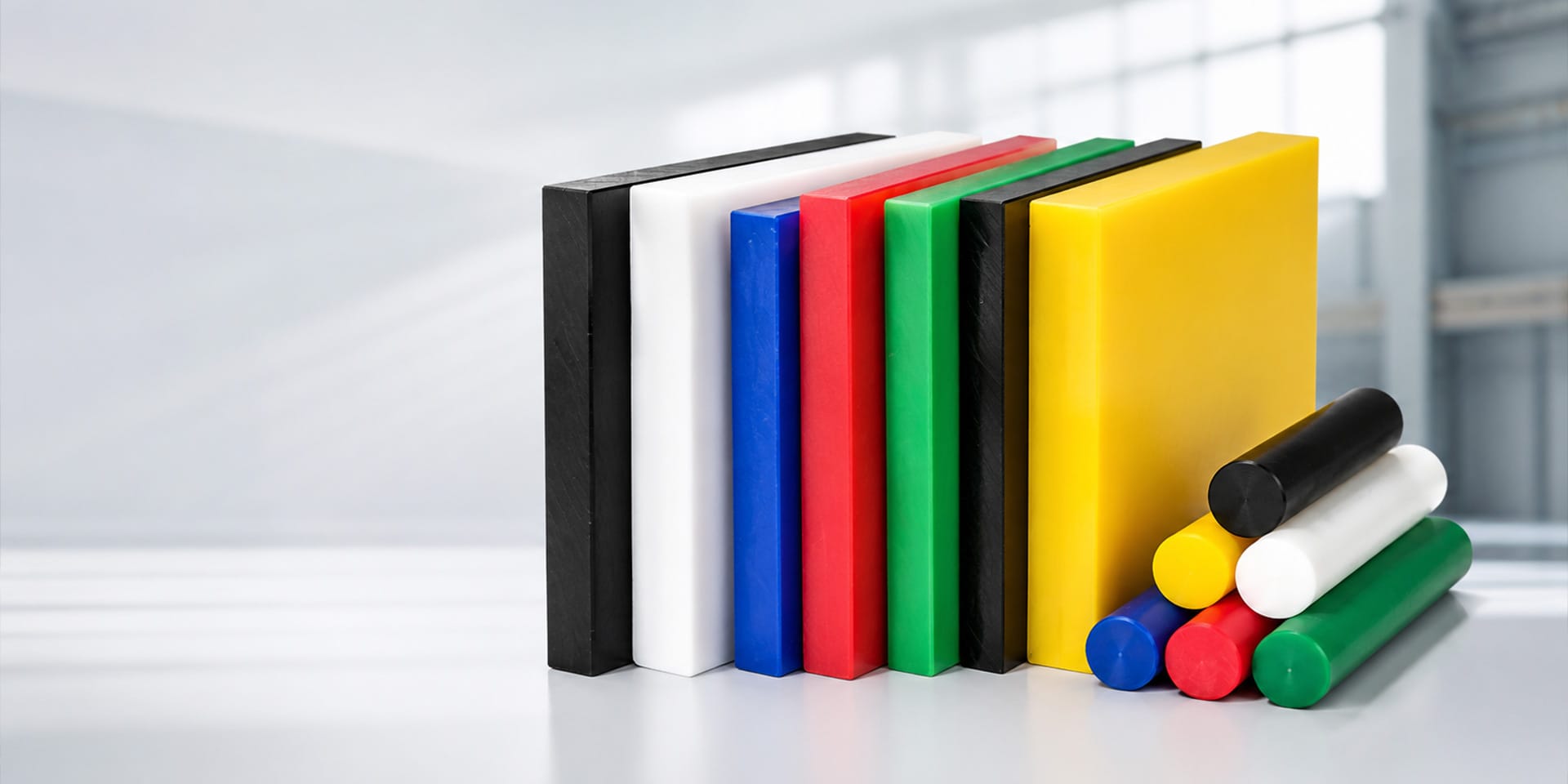
Đang chọn Tấm UHMWPE đối với thiết bị công nghiệp liên quan nhiều hơn là chọn kích thước tờ từ danh mục.
Hai tấm làm từ cùng một gia đình polymer chung có thể thực hiện rất khác nhau một khi được cài đặt trong một máng trượt, băng tải, đường sắt hướng dẫn, điểm mặc máy móc, hệ thống tải, hoặc thành phần tùy chỉnh. độ dày, lớp vật liệu, tình trạng bề mặt, phương pháp buộc chặt, nhiệt độ, tác động, mài mòn, và cấu trúc hỗ trợ tất cả có thể ảnh hưởng đến cuộc sống dịch v.
Đây là lý do tại sao những người mua công nghiệp có kinh nghiệm nên bắt đầu với điều kiện làm việc thay vì chỉ hỏi:
Tôi cần độ dày của UHMWPE là bao nhiêu?
Một câu hỏi hữu ích hơn là:
Tấm UHMWPE sẽ chịu loại hao mòn, va đập, tải trọng, chuyển động và tiếp xúc với môi trường nào?
Hướng dẫn này giải thích cách chọn Tấm UHMWPE từ quan điểm kỹ thuật đó. nó tập trung vào độ dày, điều kiện mài mòn, ma sát, tác động, nhiệt độ, gia công, lắp đặt, và các chi tiết ứng dụng người mua nên cung cấp trước khi đặt hàng.
Mục lục
Tấm UHMWPE là gì?

UHMWPE là viết tắt của Ultra-High-Molecular-Weight Polyethylene.
Nó thuộc về gia đình polyethylene nhưng được phân biệt bởi chuỗi phân tử cực kỳ dài. những chuỗi dài này góp phần vào sự kết hợp của khả năng chống mài mòn, độ dẻo dai tác động, ma sát thấp, và hấp thụ độ ẩm thấp mà làm cho vật liệu hữu ích trong môi trường công nghiệp đòi hỏi.
Vật liệu thường được cung cấp như:
- tờ đầy đủ;
- tấm cắt theo kích thước;
- đeo dải;
- tấm lót;
- khối;
- hồ sơ;
- linh kiện gia công.
Người mua công nghiệp cũng có thể gặp phải các điều khoản nh:
- tờ UHMW;
- Tấm polyetylen UHMW;
- Tấm UHMW-PE;
- Tấm PE-UHMW;
- Tấm PE1000;
- Tấm UPE.
Thuật ngữ khác nhau giữa các thị trường, nhưng người mua nên xác minh đặc điểm kỹ thuật vật liệu thực tế thay vì chỉ dựa vào tên sản phẩm.
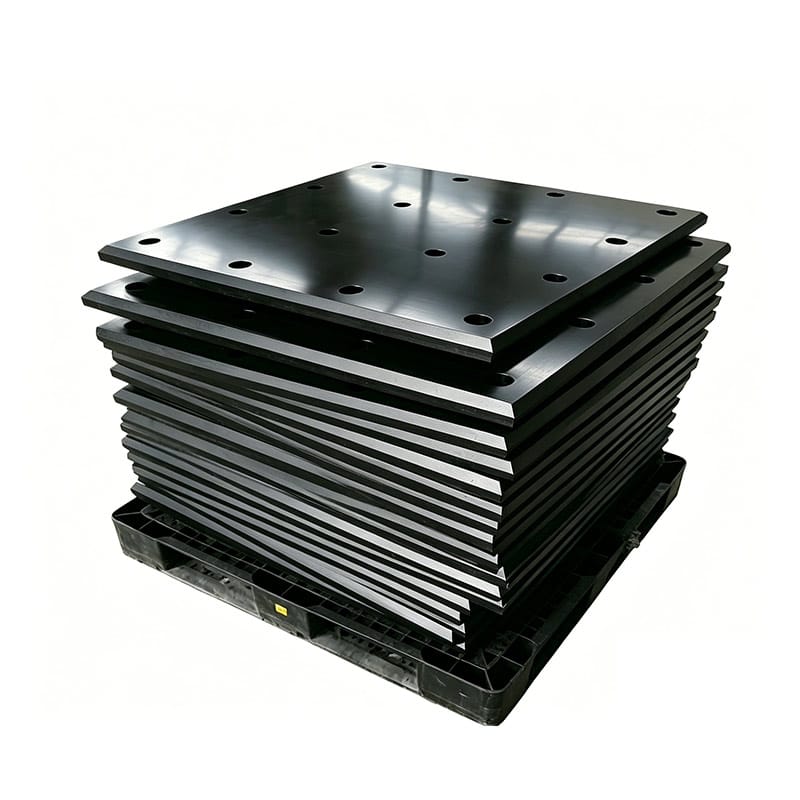
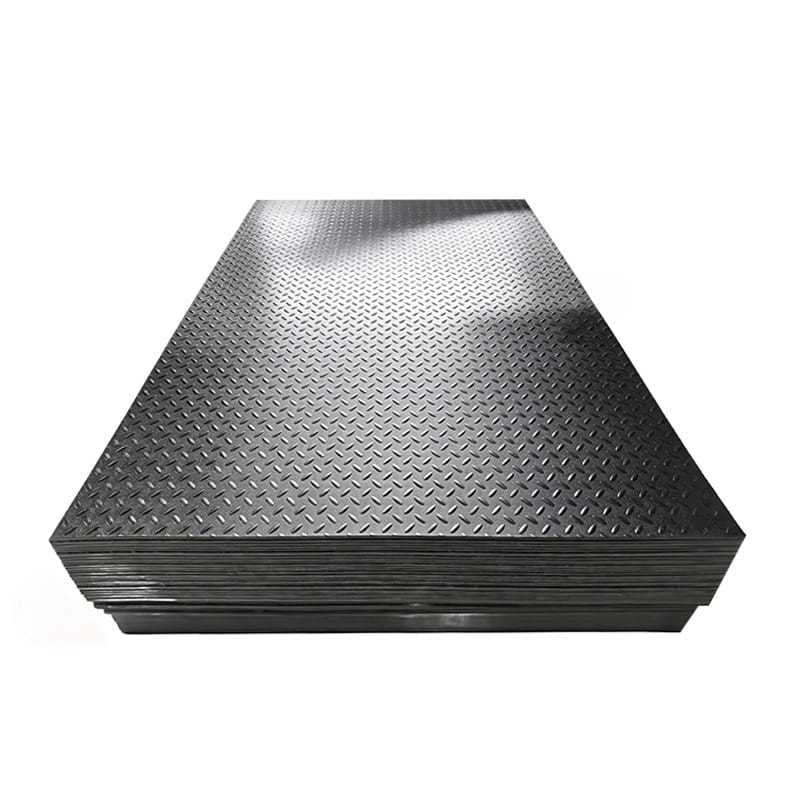
Đối với các dự án yêu cầu tấm tiêu chuẩn hoặc kích thước tùy chỉnh, Tấm nhựa kỹ thuật UHMWPE có thể được cắt hoặc gia công thêm theo yêu cầu thiết b.
Phân loại vật liệu cũng có thể được tham chiếu theo các tiêu chuẩn được công nhận như ASTM D4020, bao gồm việc nhận dạng và mô tả đặc tính của vật liệu đúc và ép đùn UHMWPE, và ISO 21304-1, thiết lập hệ thống chỉ định cho vật liệu PE-UHMW.
Tại sao độ dày tấm UHMWPE lại quan trọng
Độ dày là một trong những thông số kỹ thuật đầu tiên mà người mua thường thảo luận, nhưng nó không nên được coi là một số bị cô lập.
Độ dày của Tấm UHMWPE có thể ảnh hưởng:
- phụ cấp mặc có sẵn;
- độ cứng;
- hấp thụ tác động;
- thiết kế buộc chặt;
- độ sâu lỗ chìm;
- nhịp không được hỗ trợ;
- trọng lượng thành phần;
- khả năng gia công;
- khoảng thời gian thay thế.
Lớp lót mỏng hơn có thể hoàn toàn phù hợp khi nó được hỗ trợ liên tục bởi nền thép và tiếp xúc chủ yếu với vật liệu trượt.
Độ dày tương tự có thể hoạt động kém tại điểm chuyển tiếp nơi các cục nặng liên tục chạm vào bề mặt.
Tương tự như vậy, một tấm cực kỳ dày không giải quyết được mọi vấn đề kỹ thuật. độ dày dư thừa có thể tạo ra các yêu cầu gia công không cần thiết, can thiệp vào khoảng trống của thiết bị, thay đổi hình học dòng vật liệu hoặc tăng chuyển động nhiệt.
Vì vậy mục tiêu nên là:
Sử dụng đủ vật liệu để đáp ứng nhiệm vụ dự kiến mà không cần xử lý độ dày thay thế cho thiết kế phù hợp.
Cách chọn tấm UHMWPE theo độ dày
Không có độ dày phổ quát hoạt động cho mọi ứng dụng.
Tuy nhiên, một số danh mục ứng dụng rộng rãi có thể giúp người mua bắt đầu quá trình lựa chọn.
| Loại Ứng dụng | Mối quan tâm thiết kế điển hình | Phương pháp tiếp cận độ dày chung |
|---|---|---|
| Bề mặt trượt ánh sáng | Ma sát và bảo vệ bề mặt | Tấm tương đối mỏng có thể là đủ |
| Hướng dẫn bên băng tải | Mặc và căn chỉnh | Độ dày vừa phải với sự hỗ trợ an toàn |
| Phễu lót | Mài mòn và dòng vật liệu | Độ dày dựa trên vật liệu và tỷ lệ mài mòn |
| Chuyển máng | Mài mòn cộng với tác động | Có thể cần phải có lớp lót nặng hơn |
| Mang tấm | Tiếp xúc cơ học lặp đi lặp lại | Phần vừa phải đến nặng |
| Linh kiện CNC | Hình học và nhiệm vụ cơ học | Độ dày dựa trên kích thước bộ phận hoàn thiện |
| Khối tác động | Sốc và nén | Tấm nặng hơn thường được xem xét |
| Miếng đệm hỗ trợ kết cấu | Phân phối tải | Cần phải xem xét kỹ thuật |
Những danh mục này là điểm khởi đầu, không phải thông số kỹ thuật cuối cùng.
Tấm UHMWPE mỏng
Tương đối mỏng Tấm UHMWPE thường được xem xét khi vật liệu hoạt động chủ yếu như một bề mặt trượt có thể thay thế được.
Các ứng dụng có thể bao gồm:
- lớp lót chống mài mòn nhẹ;
- bề mặt trượt của bàn;
- giao diện bảo vệ;
- hướng dẫn thiết bị đóng gói;
- bề mặt băng tải tải thấp.
Bởi vì vật liệu mỏng hơn cung cấp ít phụ cấp mặc hơn, tình trạng chất nền và buộc chặt trở nên đặc biệt quan trọng.
Tấm UHMWPE có độ dày trung bình
Các phần trung bình thường được sử dụng khi độ mòn trượt trở nên đáng kể hơn.
Các ứng dụng điển hình có thể bao gồm:
- hướng dẫn băng tải;
- lớp lót phễu;
- lót thùng;
- miếng đệm chống mài mòn máy móc;
- đeo dải;
- lót công nghiệp nói chung.
Đối với những mục đích sử dụng này, người mua không chỉ nên đánh giá độ mòn dự kiến mà còn cả khoảng cách bu lông, khoảng cách cạnh, chìm và chuyển động nhiệt.
Tấm UHMWPE nặng
Các phần nặng có nhiều khả năng được sử dụng khi vật liệu phải cung cấp thêm khả năng hao mòn, hấp thụ va đập hoặc đủ hàng để gia công CNC.
Ví dụ bao gồm:
- tấm mài mòn hạng nặng;
- khu vực tác động;
- thành phần máy móc dày;
- khối trượt;
- con lăn;
- miếng đệm hỗ trợ;
- các bộ phận gia công CNC đặc biệt.
Hình dạng thành phần hoàn thiện nên xác định độ dày ban đầu cần thiết thay vì chỉ chọn vật liệu dày nhất hiện có.
Chọn Độ dày Theo Wear, Không Chỉ Tải
Một trong những sai lầm thường gặp nhất khi lựa chọn Tấm UHMWPE chỉ tập trung vào trọng lượng của thiết bị hoặc vật liệu được xử lý.
Đối với lớp lót chống mài mòn, các biến quan trọng hơn có thể bao gồm:
- độ cứng của hạt;
- kích thước hạt;
- vận tốc dòng chảy;
- góc va chạm;
- khoảng cách trượt;
- giờ hoạt động;
- độ ẩm;
- ô nhiễm;
- tỷ lệ mòn lớp lót trước đó.
Hãy xem xét hai phễu chứa cùng một tổng trọng lượng vật liệu.
Đầu tiên lưu trữ vật liệu tương đối mềm di chuyển chậm.
Thứ hai xử lý cốt liệu sắc nét liên tục trượt trên một khu vực xả.
Tải trọng tĩnh có thể tương tự nhau nhưng điều kiện mài mòn hoàn toàn khác nhau.
Ứng dụng thứ hai có thể yêu cầu mức độ mài mòn cao hơn hoặc cách bố trí lớp lót khác mặc dù tổng trọng lượng vật liệu không thay đổi.
Điều này đặc biệt quan trọng khi xác định ng lót chống mài mòn UHMWPE đối với máng trượt, phễu, hầm chứa, silo, và hệ thống xử lý vật liệu rời.
Mài mòn: Một trong những lý do chính để sử dụng tấm UHMWPE
Mài mòn là một trong những lĩnh vực ứng dụng mạnh nhất cho UHMWPE.
Thiết bị công nghiệp có thể trải nghiệm một số hình thức mặc khác nhau.
Trượt Abrasion
Mài mòn trượt xảy ra khi vật liệu di chuyển liên tục dọc theo bề mặt.
Các ví dụ phổ biến bao gồm:
- than trượt qua máng;
- cốt liệu chảy qua phễu;
- xích băng tải di chuyển dọc theo thanh dẫn hướng;
- các gói hàng di chuyển qua đường ray.
Đây, Tấm UHMWPE có thể hoạt động như bề mặt mài mòn hy sinh đồng thời cung cấp tiếp xúc ma sát thấp.
Mài mòn tác động
Mài mòn do va đập xảy ra khi vật liệu va vào bề mặt trước khi trượt đi.
Điểm chuyển giao là một ví dụ phổ biến.
Loại ứng dụng này đặt ra các yêu cầu khác nhau trên lớp lót vì vật liệu phải chịu được cả va đập và mài mòn.
Mặc tập trung
Nhiều hệ thống không mặc đều.
Máng có thể gần như không bị ảnh hưởng trên hầu hết bề mặt của nó trong khi một khu vực nhỏ gần điểm xả bị mòn nhanh chóng.
Trong tình huống này, chỉ cần tăng độ dày của mỗi tấm có thể không phải là giải pháp hiệu quả nhất.
Một thiết kế tốt hơn có thể bao gồm:
- vật liệu dày hơn chỉ ở vùng mài mòn cao;
- phần mài mòn có thể thay thế được;
- tấm mô-đun nhỏ hơn;
- hướng dòng chảy được thiết kế lại;
- bảo vệ tác động bổ sung.
Đây là lý do tại sao thiết kế lớp lót nên tuân theo mô hình mặc hơn là xử lý toàn bộ máy như một môi trường đồng nhất.
Ma sát thấp và dòng vật liệu
Một lý do chính khác khiến các kỹ sư công nghiệp lựa chọn Tấm UHMWPE là hành vi trượt ma sát thấp của chúng.
Trong thiết bị xử lý vật liệu số lượng lớn, vấn đề kỹ thuật không phải lúc nào cũng là hao mòn.
Đôi khi vấn đề thực sự là dòng nguyên liệu kém.
Các triệu chứng thường gặp bao gồm:
- vật liệu dính vào tường phễu;
- cầu nối;
- xả không nhất quán;
- tích tụ trong máng;
- vệ sinh thủ công thường xuyên;
- giảm công suất sử dụng.
Thay thế hoặc phủ lên bề mặt có vấn đề bằng lớp lót UHMWPE thích hợp có thể làm giảm ma sát bề mặt và giúp vật liệu di chuyển tự do hơn.
Tuy nhiên, vật liệu lót một mình không thể khắc phục mọi vấn đề về dòng chảy.
Các kỹ sư cũng nên đánh giá:
- góc máng;
- hình học phễu;
- độ ẩm hạt;
- sự gắn kết vật chất;
- mở xả;
- ô nhiễm bề mặt;
- khớp nối lắp đặt.
Ví dụ, một lớp lót ma sát thấp sẽ mang lại lợi ích hạn chế nếu các mối nối được định vị kém tạo ra các gờ cản trở vật lý vật liệu.
Hiệu suất tốt nhất đến từ việc kết hợp lựa chọn vật liệu với thiết kế cơ khí tốt.
Tấm UHMWPE cho hệ thống băng tải
Thiết bị băng tải là một lĩnh vực ứng dụng quan trọng khác vì nhiều thành phần bị trượt liên tục.
Ví dụ bao gồm:
- hướng dẫn chuỗi;
- đường ray dẫn hướng;
- đeo dải;
- hỗ trợ đai;
- hướng dẫn bên;
- hồ sơ trượt.
Trong các ứng dụng này, tiêu chí lựa chọn cho Tấm UHMWPE có thể bao gồm:
- tốc độ băng tải;
- loại xích hoặc đai;
- áp suất tiếp xúc;
- ô nhiễm;
- trọng lượng sản phẩm;
- nhiệt độ hoạt động;
- hướng dẫn hình học;
- khả năng tiếp cận thay thế.
Một hướng dẫn băng tải có thể không yêu cầu một phần đặc biệt dày nếu nó được hỗ trợ đầy đ.
Tuy nhiên, độ dày vẫn phải cung cấp đủ vật liệu cho cấu hình yêu cầu, lỗ lắp, rãnh và phụ cấp mài mòn.
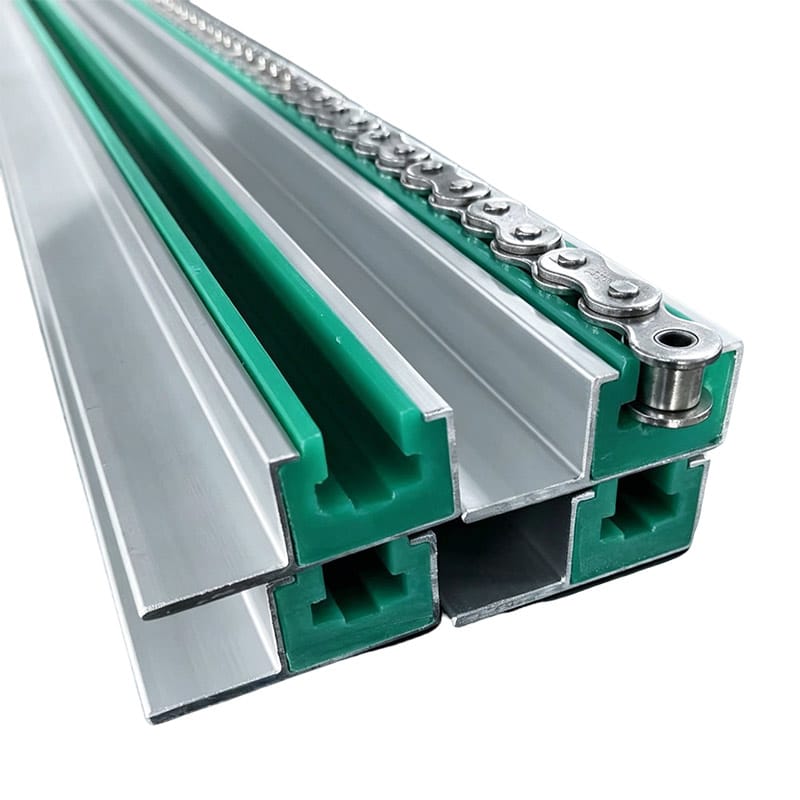
Đối với các ứng dụng mà một tờ cuối cùng sẽ được gia công thành một hồ sơ hướng dẫn, người mua cũng có thể xem xét Hướng dẫn chuỗi UHMWPE để hiểu cách vật liệu được áp dụng trong hệ thống băng tải.
Tiếng ồn cũng có thể là một yếu tố lựa chọn
Tiếp xúc kim loại trên kim loại trong băng tải có thể góp phần gây ra tiếng ồn và độ rung.
Việc thay thế các giao diện trượt phù hợp bằng các thành phần dẫn hướng polymer có thể thay đổi điều kiện tiếp xúc đó.
Tuy nhiên, tiếng ồn băng tải quá mức không nên tự động đổ lỗi cho vật liệu dẫn hướng.
Tiếng ồn cũng có thể chỉ ra:
- căn chỉnh kém;
- chuỗi mòn;
- căng thẳng không chính xác;
- vòng bi bị hỏng;
- ô nhiễm;
- hỗ trợ không đủ.
Do đó, việc lựa chọn vật liệu phải là một phần của quá trình khắc phục sự cố thay vì thay thế việc kiểm tra cơ học.
Tấm UHMWPE cho máng và phễu
Máng và phễu kết hợp một số thách thức:
- vật liệu mài mòn;
- tác động;
- trượt;
- dính;
- độ ẩm;
- tải lặp lại.
Do sự kết hợp này, thông số kỹ thuật phải bao gồm nhiều hơn độ dày của tấm.
Hiểu Vật liệu đang được xử lý
Chỉ định xem thiết bị có xử lý hay không:
- than;
- quặng;
- cát;
- hạt;
- tổng hợp;
- vật liệu liên quan đến xi măng;
- vật liệu tái chế;
- chất rắn số lượng lớn khác.
Kích thước hạt và độ cứng vật chất.
Các hạt góc lớn có thể tạo ra một mô hình mặc rất khác với bột mịn.
Xác định Vùng tác động
Điểm mà vật liệu rơi tiếp xúc đầu tiên với máng trượt thường chịu tác động cao nhất.
Do đó, thiết kế lớp lót đồng nhất có thể tạo ra tuổi thọ sử dụng không đồng đều.
Nghiên cứu hướng dòng chảy
Các mối nối của tấm phải được bố trí sao cho vật liệu chuyển động không bị vướng vào cạnh lộ ra ngoài.
Nếu có thể, việc buộc chặt và bố trí bảng điều khiển phải hỗ trợ hướng chuyển động tự nhiên của vật liệu.
Xem xét quyền truy cập bảo trì
Các tấm lớn có thể làm giảm số lượng khớp nối, nhưng các phần có thể thay thế nhỏ hơn có thể dễ bảo trì hơn.
Giải pháp tốt nhất phụ thuộc vào thiết b.
Nhiệt độ ảnh hưởng như thế nào đến việc lựa chọn tấm UHMWPE
Nhiệt độ thường xuyên bị bỏ qua trong quá trình mua hàng.
Giống như các polyme khác, UHMWPE có thể thay đổi kích thước khi nhiệt độ thay đổi.
Điều này quan trọng bởi vì Tấm UHMWPE có thể được lắp đặt dựa vào các kết cấu thép có khả năng giãn nở và co lại khác nhau.
Sự cố có thể xảy ra khi lớp lót được lắp đặt quá cứng và không thể điều chỉnh chuyển động.
Các triệu chứng có thể bao gồm:
- oằn;
- biến dạng;
- ứng suất dây buộc;
- nâng xung quanh lỗ;
- giao thoa cạnh.
Đối với thiết bị có sự thay đổi nhiệt độ có ý nghĩa, hệ thống lắp đặt phải cho phép giãn nở và co lại thích hợp.
Nhiệt độ cũng ảnh hưởng đến hành vi cơ học.
Trước khi chỉ định vật liệu cho dịch vụ nhiệt độ cao, người mua nên xác nhận:
- nhiệt độ hoạt động liên tục;
- nhiệt độ cao nhất ngắn hạn;
- nguồn nhiệt;
- thời gian liên lạc;
- tải trong quá trình sưởi ấm;
- chu kỳ làm mát.
Không chọn UHMWPE đơn giản vì nó hoạt động tốt trong một máy khác hoạt động ở nhiệt độ khác.
Các lớp UHMWPE nguyên bản, đã sửa đổi và dành riêng cho ứng dụng
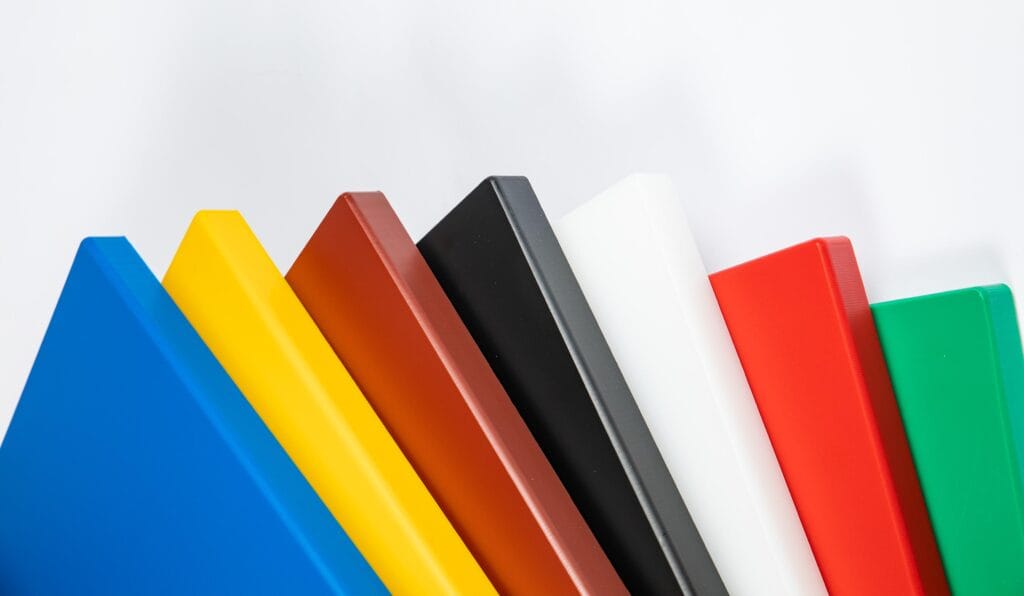
Không phải mọi sản phẩm UHMWPE đều có công thức giống hệt nhau.
Tùy thuộc vào ứng dụng, Tấm UHMWPE có thể được cung cấp ở dạng tự nhiên, có màu, ổn định tia cực tím, chống tĩnh điện hoặc các loại biến đổi khác.
Câu hỏi mua hàng đầu tiên do đó nên là:
Sheet sẽ hoạt động trong môi trường nào?
Chất liệu Virgin
Virgin UHMWPE thường được lựa chọn cho các ứng dụng công nghiệp đòi hỏi khắt khe, trong đó các đặc tính vật liệu nhất quán là quan trọng.
Đối với các thành phần hao mòn quan trọng, người mua nên xác nhận tài liệu vật liệu và yêu cầu ứng dụng thay vì giả định tất cả các tấm UHMWPE là tương đương.
UV-Stabilized Grades
Thiết bị ngoài trời có thể bị phơi nắng kéo dài.
Trong những trường hợp này, công thức ổn định bằng tia cực tím thích hợp có thể được ưu tiên.
Ví dụ có thể bao gồm:
- máy móc ngoài trời;
- miếng đệm mài mòn lộ ra ngoài;
- thiết bị xây dựng;
- các thành phần liên quan đến biển.
Yêu cầu chống tĩnh điện hoặc dẫn điện
Một số môi trường công nghiệp yêu cầu kiểm soát tĩnh điện.
Polyetylen tiêu chuẩn không nên tự động được coi là đáp ứng yêu cầu chống tĩnh điện.
Khi điều khiển tĩnh quan trọng, hãy truyền đạt yêu cầu đó trước khi sản xuất.
Tuân thủ dành riêng cho ứng dụng
Chế biến thực phẩm, môi trường công nghiệp chuyên biệt và các ứng dụng được quản lý có thể yêu cầu tài liệu vật liệu cụ thể.
Người mua nên xác định rõ ràng bất kỳ yêu cầu tuân thủ nào ở giai đoạn RFQ thay vì sau khi sản xuất.
Thuật ngữ và chỉ định tài liệu quốc tế có thể được kiểm tra ISO 21304-1.
Tấm UHMWPE cho các bộ phận gia công CNC
Nhiều người mua công nghiệp không thực sự cần một tấm hình chữ nhật hoàn thiện.
Họ cần một thành phần bắt đầu như tấm hoặc cổ phiếu tấm.
Các ví dụ phổ biến bao gồm:
- khối trượt;
- tấm dẫn hướng;
- con lăn;
- đeo dải;
- tay áo;
- máy cạo;
- các bộ phận liên quan đến bánh xích;
- hồ sơ đặc biệt;
- phụ tùng máy thay th.
Đối với các dự án này, độ dày tấm phải tính đến phụ cấp gia công và hình học hoàn thiện.
Bắt Đầu Với Phần Đã Hoàn Thành
Giả sử component đã hoàn thành yêu cầu:
- một rãnh gia công;
- lỗ lắp chìm;
- một hồ sơ hướng dẫn nâng cao;
- độ dày bậc.
Việc chọn hàng chỉ dựa trên kích thước hoàn thiện tối đa có thể không đủ phụ cấp gia công.
Do đó, quá trình sản xuất nên được xem xét trước khi đặt hàng tấm thô.
Dung sai quan trọng
Nhựa hoạt động khác với kim loại trong quá trình gia công.
Dung sai quá hạn chế có thể làm tăng khó khăn trong sản xuất mà không cải thiện hiệu suất máy.
Trước khi chỉ định dung sai chặt chẽ, hãy xác định kích thước nào thực sự ảnh hưởng:
- căn chỉnh;
- chuyển động;
- phù hợp;
- niêm phong;
- giải phóng mặt bằng thiết bị.
Các kích thước khác có thể được phép dung sai lớn hơn.
Tránh Gia Công Không Cần Thiết
Một thiết kế tốt không gia công mọi bề mặt đơn giản chỉ vì thiết bị CNC có sẵn.
Khi bề mặt tấm ban đầu phù hợp, việc để các bề mặt không quan trọng không được gia công có thể đơn giản hóa việc sản xuất.
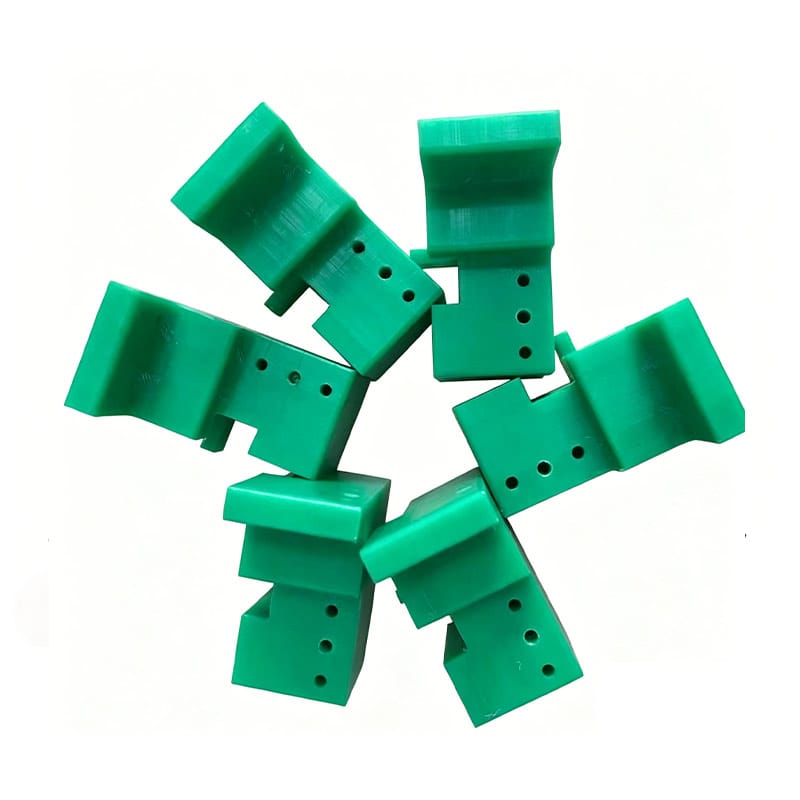
Đối với các thành phần yêu cầu hồ sơ, khoan, phay, khe, rãnh, hoặc hình học đặc biệt, tùy chỉnh UHMWPE gia công phần có thể được sản xuất theo bản vẽ, mẫu, hoặc kích thước thiết b.
Việc lắp đặt có thể quan trọng như chất lượng tấm UHMWPE
Một tấm chất lượng cao vẫn có thể hoạt động kém khi cài đặt không chính xác.
Điều này đặc biệt đúng đối với lớp lót.
Vị trí dây buộc
Chốt đặt quá gần các cạnh có thể tạo ra điểm yếu.
Khoảng cách nên tính đến:
- kích thước bảng điều khiển;
- tải;
- mở rộng;
- tác động;
- tình trạng chất nền.
Chốt chìm
Khi vật liệu chảy trực tiếp qua lớp lót, đầu bu lông nhô ra có thể cản trở dòng chảy và bị mài mòn trực tiếp.
Việc sắp xếp chìm có thể được xem xét khi thích hợp.
Chuyển động nhiệt
Nhựa và thép không giãn nở với tốc độ như nhau.
Hệ thống lắp đặt nên tránh khóa các tấm lớn không cần thiết theo mọi hướng.
Tình trạng chất nền
Việc lắp đặt một tấm mới trên một đế bị hư hỏng nặng hoặc không bằng phẳng có thể làm giảm khả năng hỗ trợ.
Trước khi lắp đặt, kiểm tra:
- ăn mòn;
- mối hàn bị hư hỏng;
- biến dạng;
- hình chiếu sắc nét;
- ốc vít cũ;
- mảnh vỡ bị mắc kẹt.
Hướng chung
Đối với vật liệu chảy, các khớp nối bảng không nên tạo ra các cạnh tiếp xúc trực tiếp đối diện với dòng chảy.
Cài đặt tốt thường xác định liệu lợi ích lý thuyết của Tấm UHMWPE chuyển thành cuộc sống phục vụ thực t.
Lỗi lựa chọn trang UHMWPE phổ biến
Người mua công nghiệp có thể tránh được nhiều thất bại bằng cách nhận ra một vài sai lầm lặp đi lặp lại.
Sai lầm 1: Chỉ chọn độ dày theo trọng lượng thiết bị
Tải tĩnh có thể không phải là yếu tố thiết kế chủ đạo.
Mặc, tác động, hỗ trợ và chuyển động có thể quan trọng hơn.
Sai lầm 2: Giả sử dày hơn là luôn luôn tốt hơn
Tăng độ dày không tự động sửa chữa buộc chặt kém, hình học không chính xác, nhiệt độ quá cao, hoặc lớp vật liệu không phù hợp.
Sai lầm 3: Bỏ qua Chế độ lỗi hiện có
Nếu thành phần trước đó bị nứt do hỗ trợ kém, thay đổi độ dày polymer một mình có thể không giải quyết được nguyên nhân gốc r.
Sai lầm 4: Sử dụng cùng một lớp ở mọi nơi
Các tấm ngoài trời, thanh dẫn hướng băng tải, các bộ phận tiếp xúc với thực phẩm và lớp lót chịu mài mòn nặng có thể có các yêu cầu vật liệu khác nhau.
Sai lầm 5: Chỉ gửi kích thước cho nhà cung cấp
Một bản vẽ thể hiện chiều dài, chiều rộng và độ dày rất hữu ích nhưng nó không giải thích được ứng dụng.
Các nhà cung cấp có thể đưa ra các khuyến nghị tốt hơn khi điều kiện làm việc cũng được cung cấp.
Sai lầm 6: Bỏ qua cài đặt
Vật liệu đúng được cài đặt không chính xác vẫn có thể thất bại sớm.
Thông tin nào nên được đưa vào RFQ?
RFQ chi tiết giúp các nhà cung cấp đề xuất phù hợp Tấm UHMWPE và giảm bớt những sửa đổi không cần thiết.
Bao gồm càng nhiều thông tin sau càng tốt.
Kích thước cơ bản
Cung cấp:
- chiều dài;
- chiều rộng;
- độ dày;
- số lượng;
- màu sắc.
Ứng dụng
Giải thích liệu vật liệu sẽ được sử dụng như:
- máng lót;
- lớp lót phễu;
- tấm mặc;
- hướng dẫn dây chuyền;
- khối trượt;
- thành phần máy móc;
- miếng đệm tác động;
- phần CNC tùy chỉnh.
Điều kiện làm việc
Cung cấp thông tin về:
- nhiệt độ hoạt động;
- sử dụng ngoài trời hoặc trong nhà;
- độ ẩm;
- hóa chất;
- bụi;
- mài mòn;
- tác động;
- trượt liên tục.
Liên hệ Vật liệu
Giải thích những gì di chuyển so với tờ giấy.
Ví dụ:
- xích thép;
- quặng rời;
- than;
- tổng hợp;
- sản phẩm đóng gói;
- linh kiện máy móc kim loại.
Vấn đề hiện tại
Điều này vô cùng quý giá.
Cho nhà cung cấp biết thành phần hiện tại có gặp phải tình trạng:
- mặc nhanh;
- vật liệu dính;
- nứt;
- biến dạng;
- tiếng ồn;
- ăn mòn;
- thay thế thường xuyên.
Bản vẽ
Cung cấp bản vẽ nếu có thể.
Thông tin bản vẽ hữu ích bao gồm:
- vị trí lỗ;
- chìm;
- khe;
- rãnh;
- hồ sơ;
- dung sai;
- kích thước giao phối quan trọng.
Khi không có bản vẽ chính thức, bản phác thảo, ảnh, bộ phận cũ hoặc phép đo thiết bị vẫn có thể hữu ích.
Làm thế nào để phù hợp với UHMWPE Sheets để ứng dụng công nghiệp phổ biến
Ma trận sau đây cung cấp một điểm khởi đầu thực tế.
| Vấn đề công nghiệp | Ứng dụng điển hình | Các yếu tố lựa chọn quan trọng |
| Dòng vật liệu mài mòn | Lớp lót máng | Mặc, độ dày, tác động, buộc chặt |
| Vật liệu dính | Lớp lót phễu | Ma sát, bố trí bề mặt, khớp nối |
| Trượt lặp đi lặp lại | Hướng dẫn băng tải | Mặc, ma sát, hồ sơ |
| Liên hệ chuỗi | Mặc dải | Áp suất tiếp xúc, tốc độ, căn chỉnh |
| Tác động cơ học | Mặc khối | Tác động, hỗ trợ, độ dày |
| Thành phần thay thế tùy chỉnh | Phần CNC | Kích thước, dung sai, tải |
| Tiếp xúc ngoài trời | Pad máy móc | UV lớp, thời tiết, tải |
| Bảo trì thường xuyên | Lớp lót có thể thay thế | Thiết kế mô-đun, lắp, phụ cấp mặc |
Điều này minh họa tại sao Tấm UHMWPE nên được lựa chọn theo chức năng thay vì mua mọi ứng dụng từ một đặc tả chung.
Câu hỏi thường gặp về UHMWPE Sheets
Tôi nên sử dụng tấm UHMWPE có độ dày bao nhiêu?
Không có độ dày phổ quát.
Việc lựa chọn chính xác phụ thuộc vào độ mòn, tác động, hỗ trợ, hình dạng ứng dụng, giờ hoạt động và phương pháp lắp đặt.
Lớp lót trượt được hỗ trợ đầy đủ có thể yêu cầu độ dày nhỏ hơn đáng kể so với bộ phận chịu tác động nặng hoặc gia công CNC rộng rãi.
Tấm UHMWPE dày hơn có chống mài mòn hơn không?
Các đặc tính mài mòn vốn có của vật liệu được xác định chủ yếu bởi cấp và công thức.
Một tấm dày hơn cung cấp nhiều vật liệu hơn có thể bị mòn trước khi thay thế, nhưng chỉ tăng độ dày không cải thiện mọi đặc tính hiệu suất.
Tấm UHMWPE có thể thay thế tấm mòn thép không?
Trong một số ứng dụng liên quan đến trượt, mài mòn, ma sát thấp và ăn mòn, UHMWPE có thể mang lại lợi thế so với bề mặt mài mòn kim loại.
Tuy nhiên, nó không nên tự động thay thế thép kết cấu.
Các kỹ sư phải đánh giá tải trọng, độ cứng, nhiệt độ, tác động, hỗ trợ và các yêu cầu về kết cấu.
Tấm UHMWPE có thể gia công được không?
Vâng.
UHMWPE có thể được cắt, khoan, xay, định tuyến, biến và gia công thành các thành phần tùy chỉnh.
Điều kiện dụng cụ, quản lý nhiệt, kẹp, loại bỏ chip và kỳ vọng dung sai phải phù hợp với nhựa kỹ thuật.
Tấm UHMWPE có phù hợp với thiết bị ngoài trời không?
Chúng có thể được sử dụng trong nhiều ứng dụng ngoài trời.
Đối với tiếp xúc với tia cực tím kéo dài, nên chỉ định loại ổn định chính xác.
Nhiệt độ, thời tiết, tải trọng và điều kiện lắp đặt cũng cần được xem xét.
Tại sao tấm UHMWPE được sử dụng trong phễu?
Sự kết hợp giữa khả năng chống mài mòn và hoạt động bề mặt ma sát thấp làm cho UHMWPE hữu ích cho nhiều phễu và máng trượt.
Nó có thể giúp bảo vệ các cấu trúc bên dưới trong khi cải thiện chuyển động vật liệu nơi dính và mặc là vấn đ.
Tấm UHMWPE có thể được sử dụng làm hướng dẫn băng tải không?
Vâng.
UHMWPE rất phù hợp để dẫn hướng đường ray, dải mài mòn, dẫn hướng xích và các bộ phận băng tải trượt khác vì ma sát thấp và khả năng chống mài mòn rất có giá trị trong thiết bị chuyển động liên tục.
Nên mua tấm đầy đủ hoặc các bộ phận gia công hoàn thiện?
Điều đó phụ thuộc vào khả năng sản xuất của bạn.
Tấm đầy đủ có thể thích hợp khi bạn có cắt và gia công trong nhà.
Các thành phần hoàn thiện có thể hiệu quả hơn khi các bộ phận yêu cầu hồ sơ chính xác, khoan, rãnh, khe hoặc công việc CNC phức tạp.
Làm thế nào tôi có thể xác minh đặc điểm kỹ thuật vật liệu?
Yêu cầu tài liệu vật liệu phù hợp và xác định cấp độ yêu cầu trong đặc điểm kỹ thuật mua hàng của bạn.
Các tài liệu tham khảo được công nhận như ASTM D4020 và ISO 21304-1 có thể giúp thiết lập thuật ngữ chung và phân loại vật liệu.
Một cách tốt hơn để chọn bảng UHMWPE
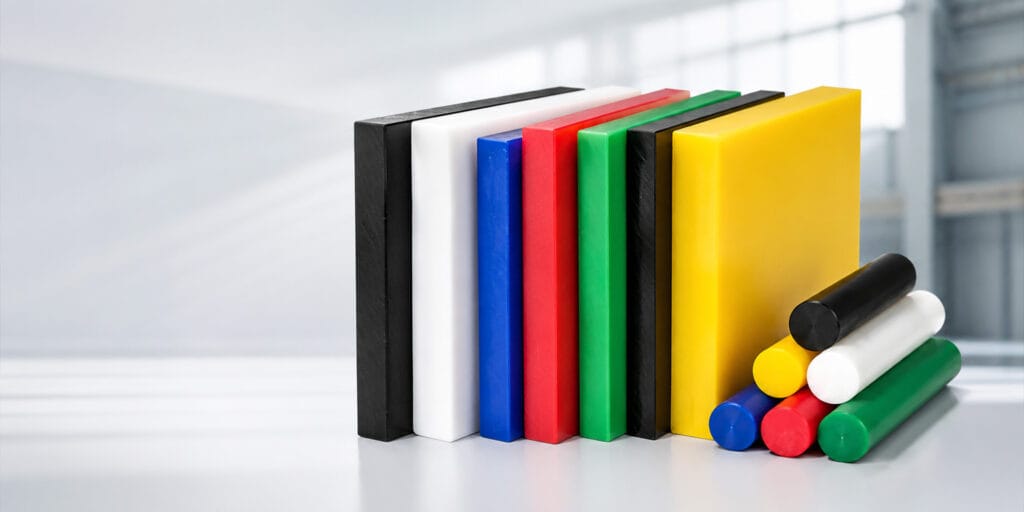
Quá trình lựa chọn hiệu quả nhất có thể được tóm tắt trong sáu bước.
Bước 1: Xác định chế độ Failure Mode
Xác định xem vấn đề hiện tại là:
- mài mòn;
- ma sát;
- dính;
- tác động;
- ăn mòn;
- tiếng ồn;
- thay thế lặp đi lặp lại.
Bước 2: Xác định nhiệm vụ cơ học
Hiểu:
- tải;
- tốc độ;
- tác động;
- khoảng cách trượt;
- hỗ trợ;
- áp suất tiếp xúc.
Bước 3: Xác định Môi trường
Xác định:
- nhiệt độ;
- Tiếp xúc với tia cực tím;
- độ ẩm;
- hóa chất;
- nhiễm bẩn.
Bước 4: Chọn Material Grade
Chọn loại trinh nữ hoặc loại sửa đổi phù hợp theo môi trường thực tế.
Bước 5: Xác định Độ dày và Hình học
Độ dày phải hỗ trợ mức độ mài mòn cần thiết, khả năng chống va đập, hệ thống lắp đặt và hình học gia công.
Bước 6: Thiết kế phần cài đặt hoặc phần hoàn thiện
Cuối cùng, định nghĩa:
- ốc vít;
- lỗ lắp;
- khớp;
- dung sai;
- Tính năng CNC;
- chiến lược thay th.
Theo thứ tự này ngăn cản người mua đưa ra quyết định về độ dày trước khi hiểu vấn đề kỹ thuật.
Đối với các dự án yêu cầu kích thước ứng dụng cụ thể hoặc sản xuất CNC, bản vẽ và thông tin vận hành có thể được gửi qua các trang liên h để xem xét kỹ thuật.
Kết luận
Đang chọn Tấm UHMWPE không bao giờ nên bắt đầu và kết thúc với độ dày.
Độ dày là quan trọng, nhưng nó chỉ là một phần của một đặc điểm kỹ thuật công nghiệp thành công.
Loại mài mòn, va đập, tiếp xúc trượt, nhiệt độ, lắp đặt, tình trạng chất nền, cấp vật liệu, yêu cầu gia công và chiến lược bảo trì đều có thể xác định xem tấm có hoạt động tốt sau khi lắp đặt hay không.
Đối với máng và phễu, tập trung vào mài mòn, dòng chảy vật liệu, vùng tác động và bố trí lớp lót.
Đối với hệ thống băng tải, hãy chú ý đến ma sát, mài mòn, tốc độ, áp suất tiếp xúc và hình học dẫn hướng.
Đối với các thành phần CNC, làm việc ngược từ kích thước phần hoàn thành và dung sai tới hạn.
Đối với môi trường ngoài trời hoặc chuyên dụng, xác nhận lớp yêu cầu và tài liệu vật liệu trước khi sản xuất.
Cách tiếp cận đáng tin cậy nhất do đó không phải là hỏi, “Độ dày tấm UHMWPE tốt nhất là gì?”
Thay vào đó, hãy hỏi:
“Sự kết hợp nào giữa cấp vật liệu, độ dày, thiết kế và lắp đặt sẽ giải quyết được vấn đề vận hành thực tế?”
Một khi câu hỏi đó được trả lời, Tấm UHMWPE có thể được chỉ định là các thành phần được thiết kế thay vì các tấm nhựa đơn giản và đó là nơi giá trị công nghiệp thực sự của chúng trở nên rõ ràng hơn nhiều.