Mục lục
Silo Liner Design becomes a useful engineering topic when it is tied to a real operating problem. Buyers rarely need an isolated material fact; they need a defensible way to compare quotations, review drawings, plan installation, and agree on inspection. This guide explains how wall angle, bulk material, moisture, impact, discharge geometry, panel joints, support, and safe maintenance access affect a liner layout.
A practical silo liner design decision starts with the application, not a catalogue label. A practical approach is to record the duty, identify the controlling conditions, and ask the supplier to confirm what is included in the proposed solution. That process reduces ambiguity without pretending that one rule fits every machine or site.
The guidance below is intended for procurement and technical planning. It does not replace equipment instructions, a competent site assessment, or a project-specific engineering review. Where safety or acceptance depends on silo liner design, use documented inputs and obtain approval from the responsible person.
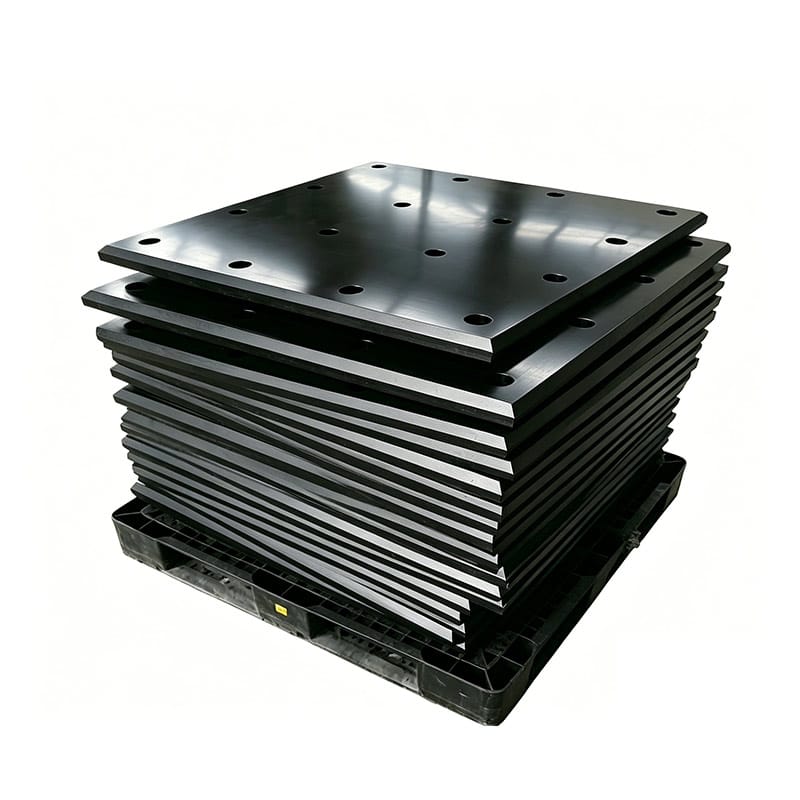
What Silo Liner Design Means in a Real Project
Silo Liner Design is best understood as a set of application requirements connected to bulk material, impact zone, flow direction, support structure, fastening, joint layout, access, and planned replacement method. The phrase should not be treated as a complete specification by itself. Two requests using the same words can require different dimensions, grades, layouts, or inspection methods because their service conditions are different.
During procurement, the practical meaning of silo liner design is a shared decision record. It should show what information was supplied, what assumptions were used, which features control performance, and what will be checked before shipment or use. This makes technical discussions easier and prevents nominal descriptions from becoming accidental guarantees.
Tại sao Quyết định này xứng đáng có cơ sở bằng văn bản
A written basis for silo liner design protects both purchasing and operations. Purchasing can compare quotations on the same scope, while engineering can see whether exclusions, tolerances, and site responsibilities are clear. Maintenance also gains a baseline for future inspection rather than relying on memory after the component has been in service.
This process is not designed to create unnecessary paperwork. A concise silo liner design record should focus on the few conditions that can change the outcome. If a value is only an estimate, label it as an estimate. If a dimension is critical, identify the datum and measurement method. If the site must verify ground, alignment, or support, assign that responsibility explicitly.
Các yếu tố chính để xem xét
Document these controlling conditions before approving silo liner design. They are connected, so changing one may require a second look at the others:
- Đặc tính vật liệu số lượng lớn: mô tả tình trạng thực tế và tránh dựa vào tên sản phẩm rộng.
- Vùng va đập và trượt: mô tả tình trạng thực tế và tránh dựa vào tên sản phẩm rộng.
- Điều kiện hỗ trợ: mô tả tình trạng thực tế và tránh dựa vào tên sản phẩm rộng.
- Bố trí dây buộc: mô tả tình trạng thực tế và tránh dựa vào tên sản phẩm rộng.
- Giải phóng mặt bằng mở rộng: mô tả tình trạng thực tế và tránh dựa vào tên sản phẩm rộng.
These factors turn silo liner design from a search phrase into an actionable specification. A supplier can respond more accurately when the RFQ describes duty and interfaces instead of asking for a generic recommendation.
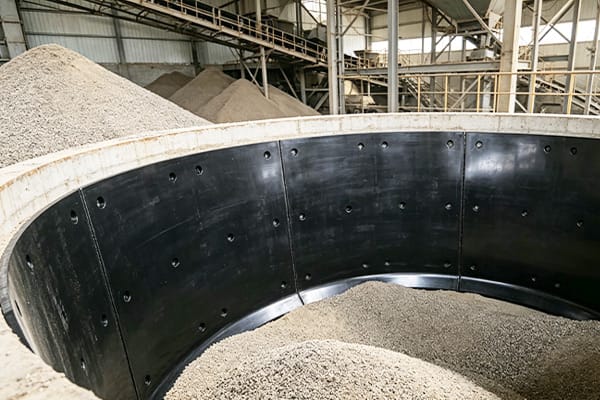
Technical Focus for Silo Liner Design
The technical focus of silo liner design is how wall angle, bulk material, moisture, impact, discharge geometry, panel joints, support, and safe maintenance access affect a liner layout. Break that broad question into reviewable items so an engineer, buyer, installer, and supplier can discuss the same conditions.
- Bulk material characteristics: Separate verified information from a working assumption. Note the implication for product selection and verification.
- Impact and sliding zones: Check the condition at the interface, not only on the isolated product. Note the implication for product selection and verification.
- Support condition: Define the condition in measurable project language. Note the implication for product selection and verification.
- Fastener layout: Identify who owns the input and where it came from. Note the implication for product selection and verification.
- Expansion clearance: Connect the condition to a drawing, site check, or acceptance point. Note the implication for product selection and verification.
Do not assume that a favourable result for one of these items settles the entire silo liner design decision. Interfaces often control the outcome: a suitable material can still perform poorly with inadequate support, a sound calculation can fail with an incorrect site input, and a precise part can be rejected if the measurement basis was never agreed.
Phương pháp đánh giá từng bước
Work through a controlled method for silo liner design so that important inputs do not disappear between the first inquiry and the final purchase order.
- Lập bản đồ luồng vật liệu: ghi lại phát hiện, nguồn thông tin và bất kỳ câu hỏi mở nào vẫn cần được phê duyệt.
- Xác định vùng va chạm và trượt: ghi lại phát hiện, nguồn thông tin và bất kỳ câu hỏi mở nào vẫn cần được phê duyệt.
- Kiểm tra kết cấu thép hỗ trợ: ghi lại phát hiện, nguồn thông tin và bất kỳ câu hỏi mở nào vẫn cần được phê duyệt.
- Đặt ra các bảng và khớp nối: ghi lại phát hiện, nguồn thông tin và bất kỳ câu hỏi mở nào vẫn cần được phê duyệt.
- Chọn các ốc vít có thể truy cập: ghi lại phát hiện, nguồn thông tin và bất kỳ câu hỏi mở nào vẫn cần phê duyệt.
- Xác định các điểm kiểm tra và thay thế: ghi lại phát hiện, nguồn thông tin và bất kỳ câu hỏi mở nào vẫn cần được phê duyệt.
At the end of this sequence, summarize the selected silo liner design approach in plain language. Include assumptions and limits beside the decision rather than hiding them in an email chain. If conditions change, revise the record before production or installation.
Bảng Quyết định cho Người mua và Kỹ sư
The table gives a practical way to review silo liner design during supplier discussions. It is a decision aid, not a substitute for project calculations or equipment requirements.
| Khu vực quyết định | Những gì cần kiểm chứng | Tại sao nó quan trọng |
|---|---|---|
| Ứng dụng | Nhiệm vụ, môi trường và giao diện | Định nghĩa vấn đề thực s |
| Đầu vào | Giá trị, đơn vị và nguồn thông tin | Làm cho tính toán có thể theo dõi được |
| Sản phẩm | Cấp, kích thước và cấu hình | Giữ cho báo giá có thể so sánh được |
| Xác minh | Phương pháp kiểm tra và điểm chấp nhận | Tránh sự chấp thuận chủ quan |
| Vòng đời | Lắp đặt, vệ sinh và thay thế | Hỗ trợ sử dụng an toàn, theo kế hoạch |
A useful silo liner design comparison should explain why an option fits the stated duty. Avoid rankings based on a single property when the application depends on several interacting conditions.
Một ví dụ về lập kế hoạch thực tế
Consider a chute with an upper impact zone, a long sliding section, and a narrow discharge. A silo liner design plan should treat these as separate duties. Panel size, joint direction, support, and fastener exposure may differ even though all panels are made from the same material family.
Marking the zones on a drawing makes silo liner design easier to review. It also gives maintenance a replacement sequence and prevents a convenient panel grid from overriding flow direction or access at the discharge.
Những gì để đặt trong RFQ
A technical RFQ for silo liner design should give the supplier enough information to confirm scope without requiring guesswork. Attach drawings in a controlled format and identify the revision. Use consistent units; the xử lý vật liệu OSHA cung cấp tài liệu tham khảo để trình bày SI rõ ràng.
- State the intended function and the reason silo liner design is being reviewed.
- Liệt kê các điều kiện hoạt động, giao diện, tải trọng, tốc độ, nhiệt độ, độ ẩm, hóa chất hoặc thông tin mặt đất nếu có.
- Cung cấp kích thước, số lượng, sửa đổi bản vẽ và các tính năng quan trọng được đánh dấu rõ ràng.
- Xác định hồ sơ kiểm tra, chứng chỉ, đánh dấu, đóng gói và ngôn ngữ tài liệu thực sự được yêu cầu.
- Yêu cầu nhà cung cấp xác định các giả định, loại trừ và thông tin vẫn cần thiết trước khi phê duyệt.
Đối với các kiểm tra liên quan đến tài liệu, sử dụng các tài liệu tham khảo được công nhận thay vì các tuyên bố web không được hỗ trợ.Tùy thuộc vào chủ đề, các điểm khởi đầu hữu ích bao gồm Bảo vệ máy OSHA, Đánh giá tài liệu NIH, và Hướng dẫn NIST SI. Tiêu chuẩn dự án hiện hành và hướng dẫn thiết bị vẫn mang tính kiểm soát.
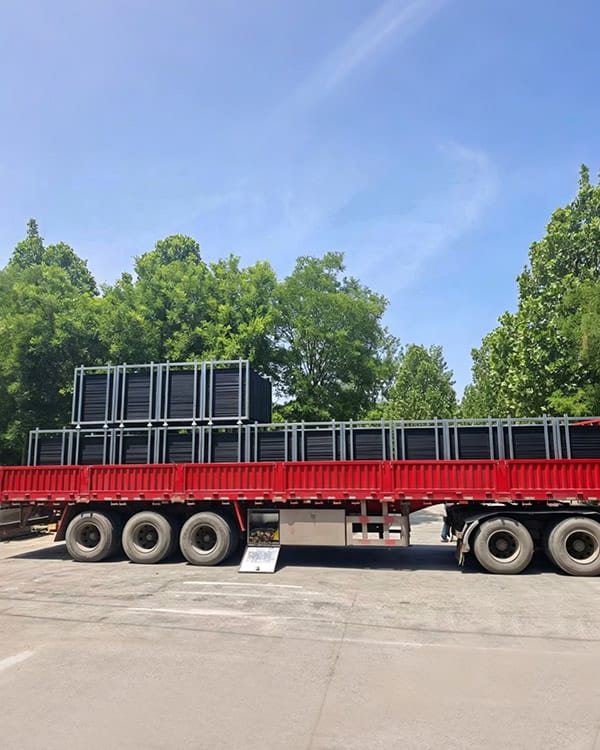
Lập kế hoạch lắp đặt, sử dụng và kiểm tra
Effective silo liner design planning continues after a purchase order is issued. Confirm how the product will be unloaded, stored, identified, and moved to the work area. Protect reference surfaces and labels. Where components are supplied in matched sets or panels, preserve the installation sequence.
At the point of use, compare the delivered item with the approved silo liner design record. Check visible damage, dimensions or identification specified in the inspection plan, and the condition of supports or mating parts. Do not force an item into a misaligned assembly or use a support product over an unverified surface simply because the nominal size appears correct.
Inspection intervals for silo liner design should reflect duty and consequence, not an arbitrary universal period. Establish a baseline, identify high-load or high-wear locations, and record changes consistently. The ASTM D792 là một tài liệu tham khảo hỗ trợ hữu ích cho bối cảnh đo lường hoặc tiêu chuẩn có kỷ luật.
Những Sai Lầm Thường Gặp Cần Tránh
The project team should prevent these errors in silo liner design decisions:
- Coi mọi khu vực là cùng một nhiệm vụ: ghi lại thông tin đầu vào còn thiếu và giải quyết trước khi phê duyệt.
- Đặt các ốc vít lộ ra ngoài theo dòng trực tiếp: ghi lại đầu vào còn thiếu và giải quyết trước khi phê duyệt.
- Để lại các cạnh không được hỗ trợ: ghi lại đầu vào còn thiếu và giải quyết nó trước khi phê duyệt.
- Loại bỏ tất cả các khoản trợ cấp di chuyển: ghi lại đầu vào còn thiếu và giải quyết nó trước khi phê duyệt.
- Thiết kế một bảng điều khiển không thể thay thế một cách an toàn: ghi lại đầu vào còn thiếu và giải quyết nó trước khi phê duyệt.
Common silo liner design problems begin as information gaps. A short technical review before production is generally easier than changing a finished part, rebuilding a route, or investigating unexplained wear after installation.
Câu hỏi thường gặp
What information is needed to specify silo liner design?
Start with the function, operating conditions, interfaces, dimensions, quantity, and the consequence of failure. A useful silo liner design request also identifies critical acceptance checks and the source of any load or environmental data.
Can silo liner design be selected from a standard size alone?
Standard sizes can simplify sourcing, but size alone does not confirm suitability. Review duty, support, environment, tolerance, and installation before approving silo liner design.
Which test or standard applies to silo liner design?
There is no single universal answer for every application. Use the project specification, equipment instructions, applicable regulations, and recognized material or measurement standards. State the exact document and edition when silo liner design depends on a formal requirement.
How should suppliers quote silo liner design?
Yêu cầu mọi nhà cung cấp báo giá dựa trên cùng một bản sửa đổi RFQ và xác định các giả định, loại trừ, mô tả vật liệu, kích thước, kiểm tra, đóng gói và cơ sở thời gian thực hiện.Điều này làm cho các đề xuất yêu cầu dễ so sánh hơn mà không chỉ dựa vào giá.
When should silo liner design be reviewed again?
Xem xét quyết định khi tải trọng, môi trường, hình học, thiết bị, phương pháp lắp đặt hoặc yêu cầu chấp nhận thay đổi. đồng thời xem lại yêu cầu khi kiểm tra cho thấy các vấn đề hao mòn, chuyển động, nứt, biến dạng hoặc hỗ trợ bất thường.
Danh sách kiểm tra mua sắm cuối cùng
Trước khi bắt đầu sản xuất cho yêu cầu, hãy xác nhận rằng cả cơ sở đăng ký và chấp nhận đều đã hoàn tất.
- Mục đích của yêu cầu được nêu trong một câu rõ ràng.
- Việc kiểm soát tải, môi trường, kích thước và giao diện được ghi lại.
- Các giả định và trách nhiệm xác minh địa điểm đều được hiển thị.
- Sản phẩm, bản sửa đổi bản vẽ, số lượng và các tính năng quan trọng đã được xác nhận.
- Các kỳ vọng về kiểm tra, đánh dấu, đóng gói, xử lý và thay thế được xác định.
- Các bên liên quan nội bộ và nhà cung cấp đang làm việc từ cùng một bản sửa đổi.
Paowo cung cấp các sản phẩm nhựa kỹ thuật cho các dự án công nghiệp, nhưng một khuyến nghị hữu ích phụ thuộc vào thông tin ứng dụng chính xác.Xem xét các liên quan trang sản phẩm, cái hướng dẫn kỹ thuật liên quan, cái tài nguyên ứng dụng, và cái bài viết hỗ tr. Sau đó sử dụng trang liên h để gửi bản vẽ và điều kiện hoạt động cho một cuộc thảo luận cụ thể về dự án về yêu cầu.