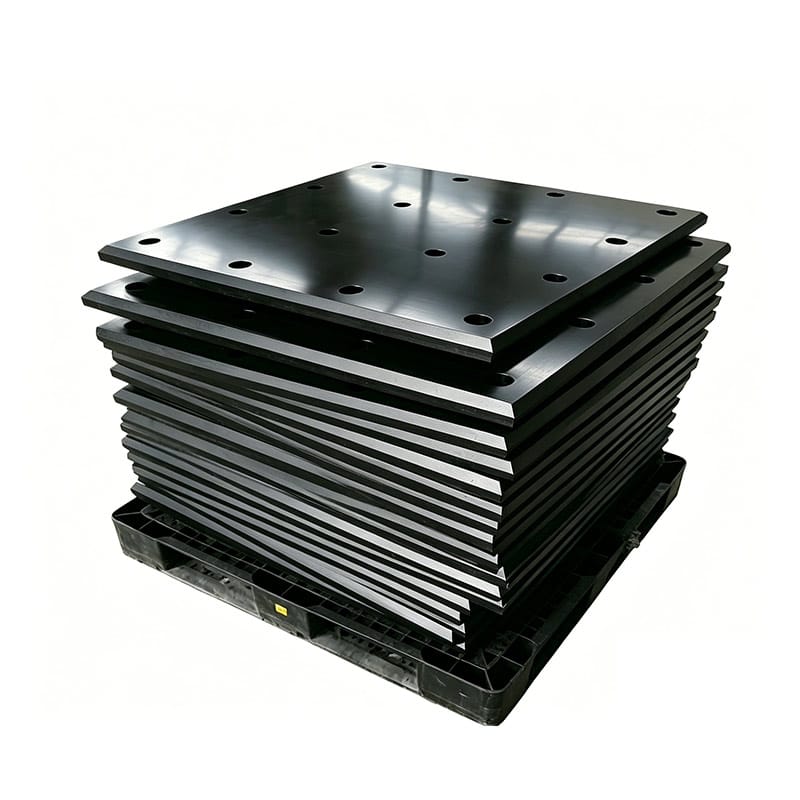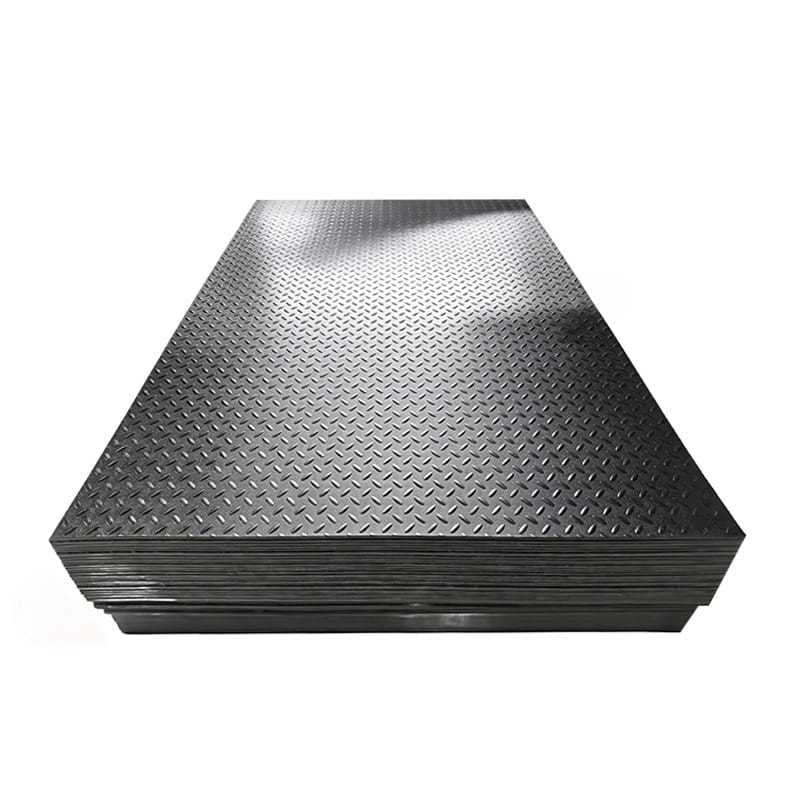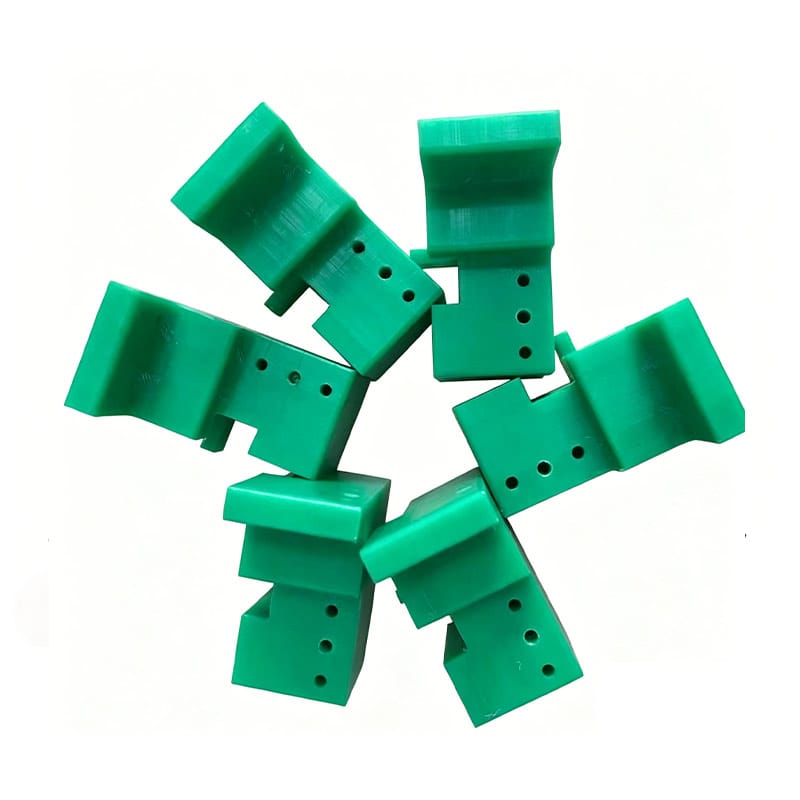
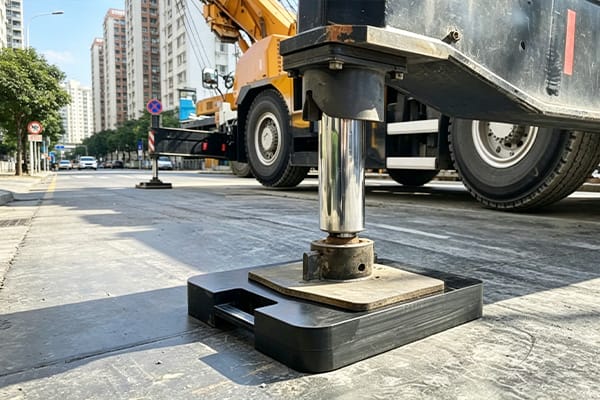
Outrigger pads, also known as stabilizer pads, are essential safety accessories for cranes, concrete pump trucks, aerial work platforms and other construction machinery. They evenly disperse equipment load, prevent outriggers from sinking into the ground, reduce ground damage and guarantee stable operation of heavy machinery.
With multiple material types and specifications available on the market, many industry buyers and operators feel confused when making selections. This guide focuses on core performance indicators including load-bearing capacity and wear resistance, sorts out mainstream material features, and shares practical selection tips to help you pick ideal outrigger pads for different working conditions.
Core Functions of Qualified Outrigger Pads
A high-performance outrigger pad undertakes three key tasks in construction operations. First, it expands the stress area to lower unit ground pressure and avoid subsidence on soft soil, gravel or uneven ground. Second, excellent wear resistance ensures long-term use under frequent friction and pressure. Third, reliable structural rigidity prevents deformation or cracking under heavy loads, effectively lowering on-site safety risks.
Whether for short-term engineering projects or long-term continuous operation, functional quality directly affects work efficiency and operational safety. Therefore, clarifying performance demands is the first step of selection.
Mainstream Materials: Wear Resistance & Load Capacity Comparison
Different raw materials lead to huge differences in load-bearing performance, wear resistance, service life and applicable scenarios. Here we compare the most commonly used materials in the industry.
Wooden Outrigger Pads
Wood is a traditional low-cost option. It features light weight and easy carrying, with basic load-bearing capacity suitable for light-duty machinery and temporary simple working sites.
However, its drawbacks are obvious. Wood has poor wear resistance and is prone to abrasion, rot and cracking after long-term friction and exposure to rain and moisture. It cannot withstand heavy pressure and repeated use, so it is not recommended for heavy-load and harsh working environments.
Steel Outrigger Pads
Steel boasts outstanding load-bearing capacity and extreme rigidity, which can cope with ultra-heavy machinery and super-high pressure conditions. Its wear resistance is also top-tier, with strong resistance to friction and impact.
The biggest disadvantage is excessive weight, which increases transportation and on-site handling difficulty. In addition, steel is easy to rust in humid environments, and the hard surface may cause slippage in partial working scenarios. It is mostly used for fixed heavy-duty operation sites.
HDPE Outrigger Pads
High-density polyethylene pads balance cost and performance. They are lightweight, waterproof and corrosion-resistant, with moderate wear resistance and load capacity. They work well for medium-load equipment and conventional construction sites.
Restricted by material properties, HDPE products will gradually wear down under long-term high-frequency friction. Their anti-impact performance is average, so they are more suitable for projects with general load requirements and limited budget.
UHMWPE Outrigger Pads
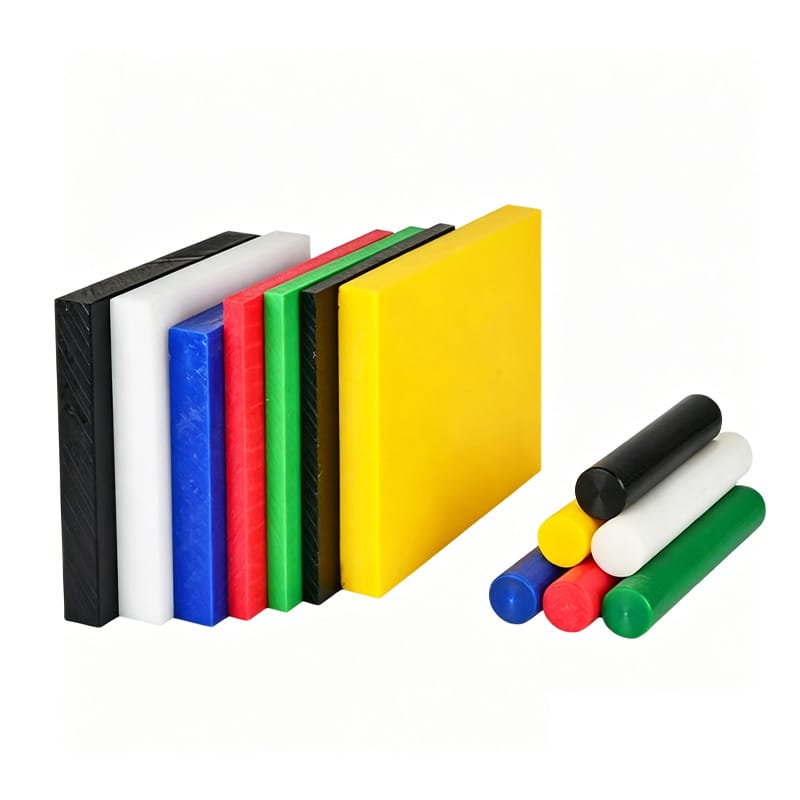
As a high-performance engineering plastic material, UHMWPE stands out in comprehensive performance. It has ultra-high wear resistance, far exceeding ordinary plastic and even partial metal materials, adapting to long-term high-friction working conditions.
In terms of load-bearing capacity, it maintains stable structure under heavy pressure without deformation. Meanwhile, it retains the advantages of light weight, water resistance and anti-corrosion. Its excellent shock absorption and noise reduction effects also optimize the on-site operating environment. This material is widely applied in medium and heavy-load construction machinery and complex terrain.
Key Factors to Consider When Choosing Outrigger Pads
1. Actual Load Requirements
Calculate the maximum total weight of the machinery and the lifting load, and select pads whose rated load capacity is higher than the actual working load. Never use products with insufficient bearing capacity to avoid safety accidents. For large cranes and heavy pump trucks, priority should be given to high-strength materials such as UHMWPE and steel.
2. On-site Ground & Environment
For flat and hard ground such as cement roads, most qualified pads can meet the demands. For soft soil, muddy road and rugged terrain, choose materials with good toughness and anti-subsidence ability. In humid, rainy or chemically corrosive environments, stay away from wood and ordinary metal, and prefer plastic materials with strong anti-corrosion performance.
3. Wear Cycle & Usage Frequency
For temporary projects with low usage frequency, cost-effective wooden or HDPE pads are acceptable. If the equipment runs continuously for a long time and the pads bear frequent friction and pressure, UHMWPE with superior wear resistance is the best choice to reduce replacement frequency and comprehensive maintenance costs.
4. Portability & Operation Convenience
Frequent site relocation requires lightweight pads for easy carrying and placement. Steel pads are reliable but too heavy, while UHMWPE and HDPE combine light weight and performance, perfectly matching the mobile operation demands of modern construction machinery.
Common Misunderstandings in Selection
Many purchasers only focus on price while ignoring matching performance. Low-cost products may lead to premature wear, deformation or breakage, bringing hidden dangers to construction safety.
Another common mistake is choosing oversized or undersized pads. An undersized pad cannot effectively disperse pressure, while an oversized one causes inconvenience for placement and storage. It is advisable to determine the proper size according to the size of the equipment outrigger and ground pressure.
Conclusion
Wooden pads fit temporary light-load work, steel pads excel in fixed ultra-heavy load occasions, HDPE is a cost-effective choice for medium-demand projects, and UHMWPE stands out for its balanced performance, adapting to most medium and heavy-load mobile construction machinery and complex working environments.
By combining equipment load, site conditions, usage frequency and budget, and taking wear resistance and load-bearing capacity as core evaluation standards, you can select the most suitable outrigger pads to create a safer and more efficient working condition for construction operations.