Tabla de contenidos
El peso de la hoja parece un simple detalle de compra hasta que afecta un plan de elevación, el diseño de la plataforma, la cotización de carga o el cronograma de instalación. Los compradores a menudo reciben las dimensiones primero y calculan la masa más tarde, sin embargo, la densidad de UHMWPE es el valor que conecta esas dimensiones con una estimación práctica del peso.
Una estimación fiable ayuda a los equipos de adquisiciones a comparar cotizaciones sobre la misma base, comprobar si un palé se puede mover de forma segura y decidir si se debe suministrar un revestimiento grande en una o varias secciones. También evita un error común: tratar una cifra calculada como el peso de envío garantizado. Esta guía muestra cómo utilizar la densidad de UHMWPE para la planificación manteniendo a la vista la calidad del material, la tolerancia dimensional, el mecanizado y el embalaje.
Qué significa la densidad del UHMWPE
La densidad es la masa dividida por el volumen. El Guía del NIST para la SI expresa la densidad de masa como rho = m/V, con kilogramos por metro cúbico como unidad SI. Para una hoja rectangular, el volumen se multiplica por el ancho y el espesor. Una vez que se conocen el volumen y la densidad del UHMWPE, la masa estimada sigue directamente.
Este cálculo es útil para la planificación, pero no sustituye los datos materiales suministrados con un pedido. La densidad del UHMWPE puede variar según el grado de la resina, la pigmentación, los aditivos, el historial de procesamiento y el método de prueba. Por lo tanto, la documentación final debe identificar el grado y el valor de densidad utilizados, en lugar de depender de un número genérico en línea.
Rango de densidad típico y por qué varía
Un revisado por pares revisión de propiedades UHMWPE informa un rango representativo de gravedad específica de 0,925 a 0,945. Ese rango es útil para comprender la familia de materiales, pero una compra industrial debe utilizar el valor indicado para el grado seleccionado. En este artículo, 0,94 g/cm^3 se utiliza únicamente como un supuesto de estimación transparente.
Los colorantes, los paquetes antiestáticos, los rellenos y otras modificaciones pueden cambiar la densidad del UHMWPE. La hoja terminada también puede tener tolerancias de espesor y tamaño plano. Una hoja nominal de 20 mm no es automáticamente un 20,00 mm exacto en cada punto, por lo que se debe presentar como estimación un peso calculado basado únicamente en las dimensiones nominales.
Condiciones de prueba también para la densidad de materia UHMWPE. ISO 1183-1 cubre métodos de inmersión, picnómetro líquido y titulación para plásticos no celulares. ASTM D792 aborda la densidad y la gravedad específica por desplazamiento. Cuando la densidad sea importante para los criterios de aceptación, indique el método requerido y la condición de prueba en la RFQ.
Cómo calcular el peso de la hoja UHMWPE
Para dimensiones métricas, el cálculo más conveniente utiliza milímetros y la densidad de UHMWPE en gramos por centímetro cúbico:
Peso estimado (kg) = largo (mm) x ancho (mm) x espesor (mm) x densidad (g/cm^3) / 1.000.000
La conversión funciona porque 1 cm^3 equivale a 1.000 mm^3 y 1 kg equivale a 1.000 g. El Guía de volumen del NIST proporciona las relaciones métricas subyacentes. Utilice un sistema unitario consistente durante todo el cálculo; mezclar metros, milímetros y centímetros es una fuente frecuente de grandes errores.
Para una planificación temprana, inserte un valor de estimación acordado para la densidad de UHMWPE. Para la documentación de compra, reemplace esa suposición con el valor en la hoja de datos del material relevante o en el registro de inspección.
Ejemplo de métrica trabajada
Considere una hoja nominal que mide 2000 mm x 1000 mm x 20 mm. Utilizando una densidad estimada de UHMWPE de 0,94 g/cm^3:
- Calcular volumen: 2.000 x 1.000 x 20 = 40.000.000 mm^3.
- Multiplica por la densidad de UHMWPE: 40.000.000 x 0,94 = 37.600.000.
- Dividir por 1.000.000: peso estimado de la hoja = 37,6 kg.
El resultado es adecuado para manipulación preliminar y planificación de carga. No debe incluirse en una orden de compra como peso neto garantizado a menos que el proveedor confirme la densidad real de UHMWPE, las tolerancias dimensionales y la configuración terminada.
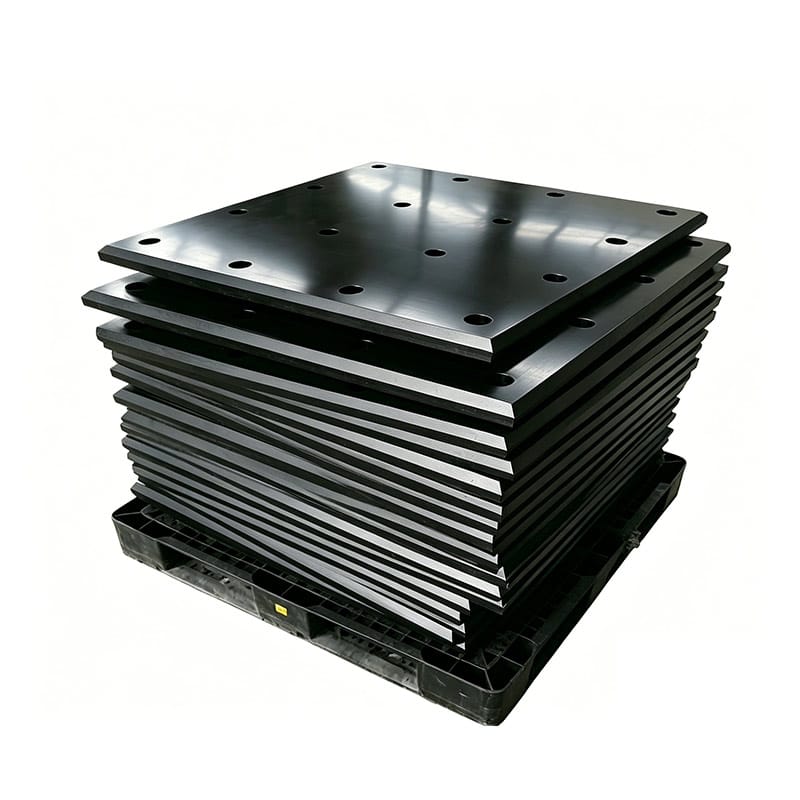
Si la lámina se corta en piezas de desgaste, se perfora, se contraperfora o se mecaniza con bolsillos, la masa terminada será menor. Si se agrega una película protectora, una paleta, un bloqueo o una caja, la masa bruta de envío será mayor.
Peso estimado para tamaños de hojas comunes
La siguiente tabla utiliza una densidad de UHMWPE de 0,94 g/cm^3. Es una ayuda de estimación, no una especificación de producto. Las dimensiones y tolerancias reales disponibles deben confirmarse antes de realizar el pedido.
| Tamaño nominal | Volumen nominal | Peso neto estimado |
|---|---|---|
| 1.000 x 1.000 x 10 mm | 0,010 m^3 | 9,4 kg |
| 2.000 x 1.000 x 10 mm | 0,020 m^3 | 18,8 kg |
| 2.000 x 1.000 x 20 mm | 0,040 m^3 | 37,6 kg |
| 2.000 x 1.000 x 30 mm | 0,060 m^3 | 56,4 kg |
| 2.000 x 1.000 x 50 mm | 0,100 m^3 | 94,0 kg |
| 2.440 x 1.220 x 20 mm | 0,059536 m^3 | 56,0 kg |
| 2.440 x 1.220 x 50 mm | 0,148840 m^3 | 139,9 kg |
Los compradores que comparen opciones de hojas también pueden revisar Guía de espesor de lámina UHMWPE. El espesor debe elegirse para permitir el desgaste, apoyar, impactar, sujetar y mecanizar, no solo para el peso.
Por qué el peso cotizado puede diferir
Dos cálculos pueden ser matemáticamente correctos y aun así producir resultados diferentes si sus entradas difieren. Antes de impugnar una cotización, verifique si ambas partes utilizaron las mismas dimensiones, unidades, base de tolerancia y densidad de UHMWPE.
- Dimensiones nominales versus medidas: la tolerancia de producción cambia el volumen.
- Formulación del material: es posible que los grados modificados no coincidan con una densidad supuesta de UHMWPE.
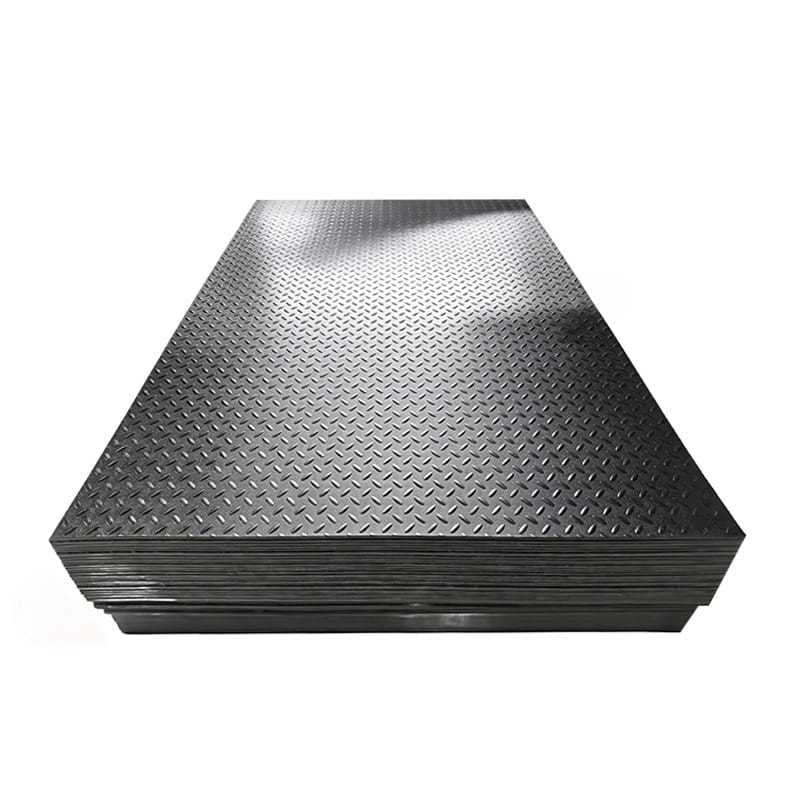
- Perfil de superficie: las hojas texturizadas o estampadas pueden requerir una base de cálculo definida por el proveedor.
- Mecanizado: agujeros, ranuras, ranuras, chaflanes y bolsillos retiran el material.
- Redondeo de cantidades: una estimación de paletas puede redondear hojas individuales o el total final.
- Peso neto versus bruto: las paletas, los separadores, el envoltorio, la protección de los bordes y las cajas añaden masa.
El enfoque más seguro es separar tres cifras: peso neto nominal calculado, peso neto confirmado por el proveedor y peso bruto empaquetado. La densidad del UHMWPE pertenece a los dos primeros cálculos; el embalaje no.
Asignaciones para piezas UHMWPE mecanizadas
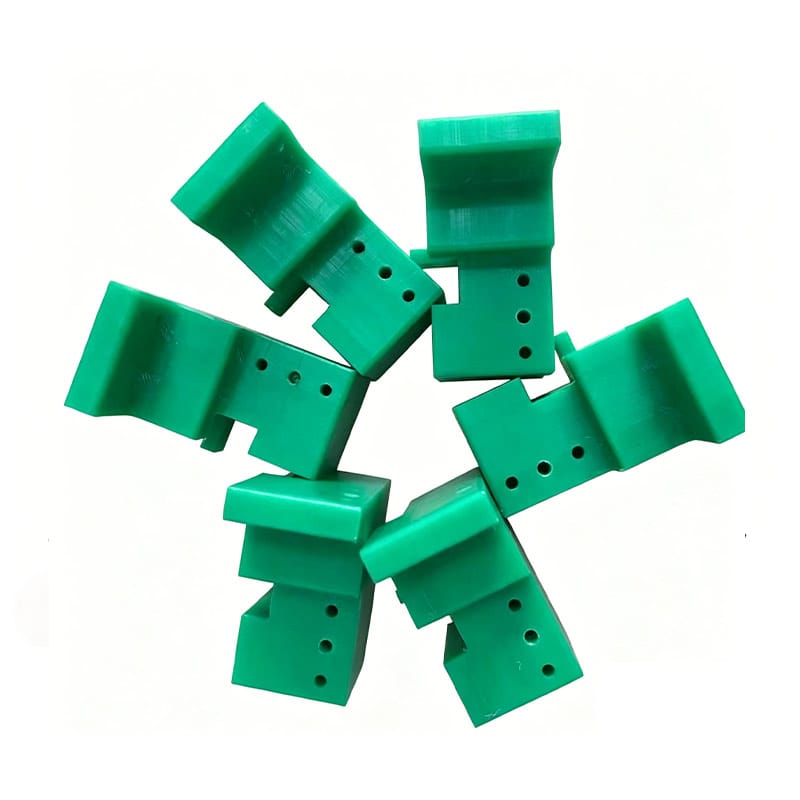
Para un espacio en blanco rectangular simple, la fórmula de volumen estándar es suficiente. Un componente terminado requiere un cálculo del volumen neto. Comience con el bloque delimitador, reste el volumen de orificios pasantes, orificios, ranuras, bolsillos y eliminación de bordes, luego multiplique el volumen restante por la densidad de UHMWPE.
La geometría compleja normalmente se maneja de manera más confiable en CAD. El modelo debe utilizar la densidad correcta de UHMWPE y la revisión del dibujo debe coincidir con la parte citada. Los equipos de adquisiciones deben evitar calcular a partir de una captura de pantalla o de un dibujo antiguo porque pequeños cambios de geometría pueden afectar tanto la masa de la pieza como el rendimiento del material.
Los residuos de mecanizado también son importantes comercialmente aunque no formen parte del peso terminado. Un anillo, un revestimiento curvo o un componente profundamente embolsado pueden tener una masa terminada baja pero requerir una pieza inicial mucho más grande. El guía de mecanizado UHMWPE personalizada explica qué dibujos y detalles de la aplicación ayudan al fabricante a evaluar el trabajo.
Uso del peso para carga, manipulación e instalación
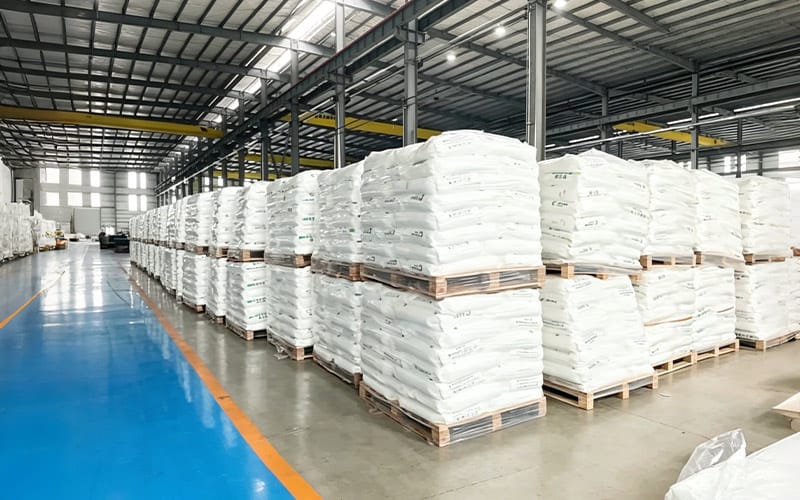
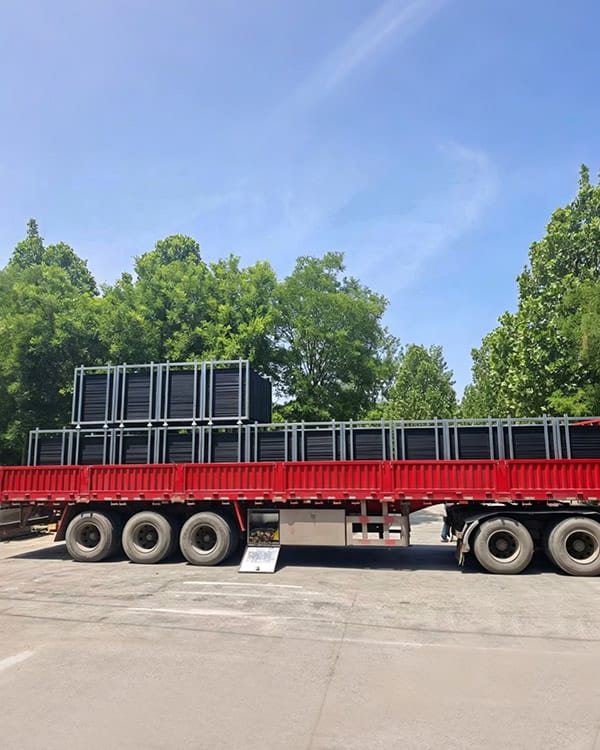
Una estimación del peso debería conducir a decisiones prácticas. Para el manejo en almacén, compare la masa estimada de la hoja o paquete con los límites del equipo de elevación y los procedimientos del sitio. Para el embalaje de exportación, considere la resistencia de la paleta, la altura de la pila, la sujeción, la protección contra la humedad y el tamaño máximo del paquete aceptado por la ruta de transporte seleccionada.
La planificación de la instalación es igualmente importante. Un solo revestimiento grande puede reducir las juntas, pero las secciones más pequeñas pueden ser más fáciles de colocar, perforar y reemplazar. Utilice la densidad de UHMWPE para comparar diseños de paneles alternativos antes de finalizar los dibujos. Incluya sujetadores, placas de respaldo y cualquier estructura de acero por separado; Tienen diferentes densidades y no deben combinarse en el cálculo del polímero.
Para proyectos que aún se encuentran en etapa de selección, el Guía de selección de hojas UHMWPE cubre grados, desgaste, temperatura, impacto y factores de instalación. El peso es sólo una parte de una especificación adecuada.
Qué incluir en una solicitud de cotización
Una RFQ clara permite al proveedor verificar el cálculo en lugar de adivinar lo que pretendía el comprador. Incluya la siguiente información:
- Largo, ancho, espesor y cantidad terminados.
- Si las dimensiones son nominales, mínimas, máximas o medidas.
- Grado, color y modificación UHMWPE requeridos, si ya se especifican.
- Método de prueba requerido para la densidad de UHMWPE o requisito de material-documento.
- Archivos de dibujo para agujeros, ranuras, bolsillos, texturas o perfiles irregulares.
- Si el peso solicitado es neto nominal, neto confirmado o peso bruto empaquetado.
- Limitaciones de embalaje, paleta, etiquetado y manipulación.
- Condiciones de aplicación, incluyendo desgaste, impacto, temperatura, productos químicos, soporte y sujeción.
Si no se ha seleccionado el grado, proporcione las condiciones de trabajo en lugar de forzar una densidad genérica de UHMWPE en la especificación. Una recomendación material debe seguir la aplicación, y no al revés. Paowo's láminas de plástico de ingeniería UHMWPE la página resume la ruta del producto disponible, mientras que los requisitos específicos del proyecto deben confirmarse directamente.
Errores comunes en el cálculo del peso
| Error | Por qué causa problemas | Mejor práctica |
|---|---|---|
| Mezclando milímetros y metros | Crea errores por factores de 1000 o más | Utilice una fórmula completa con unidades indicadas |
| Usando densidad como peso | La densidad describe la masa por volumen, no la masa total | Calcula el volumen primero |
| Ignorar la tolerancia | El volumen nominal y real pueden diferir | Indique si la estimación utiliza dimensiones nominales o medidas |
| Usando un valor genérico para cada grado | Las formulaciones modificadas pueden diferir | Utilice la densidad específica de grado de UHMWPE |
| Tratar el peso neto como peso de envío | Quedan excluidos los envases y palets | Solicite el peso bruto empaquetado por separado |
| Ignorar el material eliminado | Las piezas mecanizadas pesan menos que sus piezas en bruto iniciales | Utilice el volumen neto CAD para piezas complejas |
Otro error es aplicar precisión falsa. Una calculadora puede mostrar varios decimales, pero eso no significa que las dimensiones de entrada o la densidad de UHMWPE se conozcan con la misma precisión. Redondear las estimaciones adecuadamente y mantener visibles los supuestos.
Preguntas frecuentes
¿qué valor debo utilizar para la densidad de UHMWPE?
Utilice el valor de la hoja de datos o del documento de inspección para el grado seleccionado. Sólo para una estimación temprana, se puede utilizar una suposición representativa claramente establecida. No convierta esa suposición en una especificación garantizada.
¿cómo calculo el peso de la lámina de UHMWPE en kilogramos?
Multiplique el largo, el ancho y el espesor en milímetros por la densidad en g/cm^3, luego divídalo por 1.000.000. Mantenga todas las dimensiones en la misma unidad y registre qué densidad de UHMWPE se utilizó.
¿Por qué el peso del proveedor es diferente al estimado?
Verifique el grado, las dimensiones reales, la tolerancia, el mecanizado, el redondeo de la cantidad y si el proveedor cotiza el peso neto o bruto. Solicite los datos exactos antes de suponer que cualquiera de los cálculos es incorrecto.
¿Debo utilizar dimensiones nominales o medidas?
Las dimensiones nominales son adecuadas para la presupuestación y la logística temprana. Las dimensiones medidas y la densidad confirmada de UHMWPE son más apropiadas cuando la masa real es parte de la planificación de inspección, elevación o aceptación.
¿El mecanizado cambia la densidad del material?
La eliminación normal de material cambia el volumen y el peso total, no la densidad del UHMWPE. Si el grado o la formulación cambia, la densidad relevante de UHMWPE también puede cambiar. Utilice el volumen neto CAD para una pieza terminada compleja.
Lista de verificación de adquisiciones finales
- Confirme la calidad exacta del material y la fuente de densidad de UHMWPE.
- Utilice unidades consistentes y muestre el cálculo.
- Peso nominal neto separado, neto confirmado y bruto empaquetado.
- Tenga en cuenta la tolerancia y el material eliminado.
- Utilice el volumen neto CAD para piezas mecanizadas irregulares.
- Verifique los límites de elevación, paleta, carga e instalación.
- Mantenga los supuestos de estimación en el registro de RFQ.
La densidad de UHMWPE convierte las dimensiones en una estimación de masa útil, pero la calidad de esa estimación depende de la calidad de las entradas. Cuando el peso afecte el embalaje, elevación o instalación, envíe Paowo la ley, dimensiones, cantidad, dibujos y condiciones del proyecto requeridos. Utilice el página de contacto solicitar una revisión técnica y un presupuesto confirmado para su requisito de chapa UHMWPE o pieza mecanizada.