Tabla de contenidos
Silo Liner Design becomes a useful engineering topic when it is tied to a real operating problem. Buyers rarely need an isolated material fact; they need a defensible way to compare quotations, review drawings, plan installation, and agree on inspection. This guide explains how wall angle, bulk material, moisture, impact, discharge geometry, panel joints, support, and safe maintenance access affect a liner layout.
A practical silo liner design decision starts with the application, not a catalogue label. A practical approach is to record the duty, identify the controlling conditions, and ask the supplier to confirm what is included in the proposed solution. That process reduces ambiguity without pretending that one rule fits every machine or site.
The guidance below is intended for procurement and technical planning. It does not replace equipment instructions, a competent site assessment, or a project-specific engineering review. Where safety or acceptance depends on silo liner design, use documented inputs and obtain approval from the responsible person.
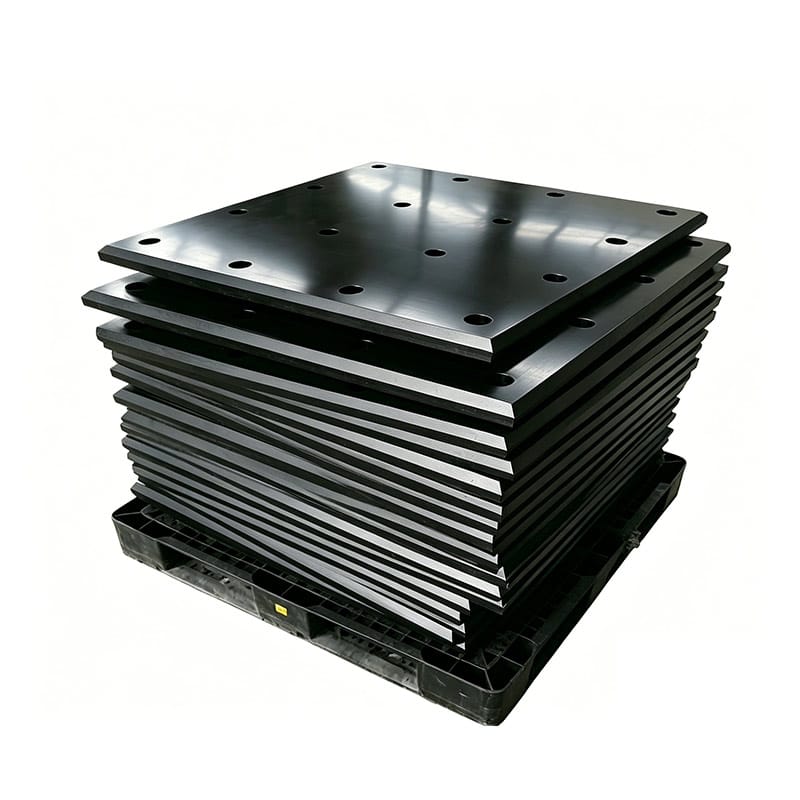
What Silo Liner Design Means in a Real Project
Silo Liner Design is best understood as a set of application requirements connected to bulk material, impact zone, flow direction, support structure, fastening, joint layout, access, and planned replacement method. The phrase should not be treated as a complete specification by itself. Two requests using the same words can require different dimensions, grades, layouts, or inspection methods because their service conditions are different.
During procurement, the practical meaning of silo liner design is a shared decision record. It should show what information was supplied, what assumptions were used, which features control performance, and what will be checked before shipment or use. This makes technical discussions easier and prevents nominal descriptions from becoming accidental guarantees.
Por qué esta Decisión merece una base escrita
A written basis for silo liner design protects both purchasing and operations. Purchasing can compare quotations on the same scope, while engineering can see whether exclusions, tolerances, and site responsibilities are clear. Maintenance also gains a baseline for future inspection rather than relying on memory after the component has been in service.
This process is not designed to create unnecessary paperwork. A concise silo liner design record should focus on the few conditions that can change the outcome. If a value is only an estimate, label it as an estimate. If a dimension is critical, identify the datum and measurement method. If the site must verify ground, alignment, or support, assign that responsibility explicitly.
Factores clave a revisar
Document these controlling conditions before approving silo liner design. They are connected, so changing one may require a second look at the others:
- Características del material a granel: describa el estado real y evite confiar en un nombre de producto amplio.
- Zonas de impacto y deslizamiento: describa el estado real y evite confiar en un nombre de producto amplio.
- Condición de soporte: describa la condición real y evite confiar en un nombre de producto amplio.
- Disposición de los sujetadores: describa el estado real y evite confiar en un nombre de producto amplio.
- Espacio libre de expansión: describa el estado real y evite confiar en un nombre de producto amplio.
These factors turn silo liner design from a search phrase into an actionable specification. A supplier can respond more accurately when the RFQ describes duty and interfaces instead of asking for a generic recommendation.
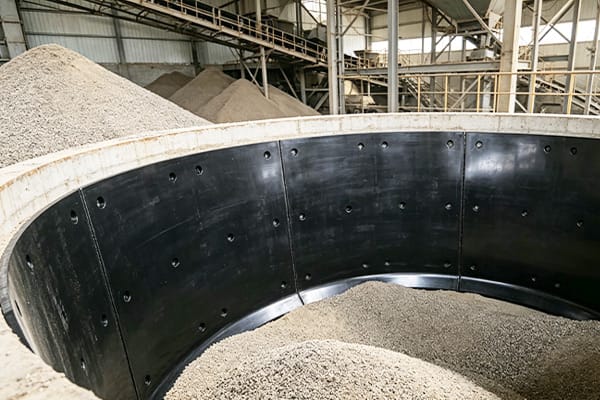
Technical Focus for Silo Liner Design
The technical focus of silo liner design is how wall angle, bulk material, moisture, impact, discharge geometry, panel joints, support, and safe maintenance access affect a liner layout. Break that broad question into reviewable items so an engineer, buyer, installer, and supplier can discuss the same conditions.
- Bulk material characteristics: Separate verified information from a working assumption. Note the implication for product selection and verification.
- Impact and sliding zones: Check the condition at the interface, not only on the isolated product. Note the implication for product selection and verification.
- Support condition: Define the condition in measurable project language. Note the implication for product selection and verification.
- Fastener layout: Identify who owns the input and where it came from. Note the implication for product selection and verification.
- Expansion clearance: Connect the condition to a drawing, site check, or acceptance point. Note the implication for product selection and verification.
Do not assume that a favourable result for one of these items settles the entire silo liner design decision. Interfaces often control the outcome: a suitable material can still perform poorly with inadequate support, a sound calculation can fail with an incorrect site input, and a precise part can be rejected if the measurement basis was never agreed.
Un método de evaluación paso a paso
Work through a controlled method for silo liner design so that important inputs do not disappear between the first inquiry and the final purchase order.
- Mapee el flujo de material: registre el hallazgo, la fuente de la información y cualquier pregunta abierta que aún necesite aprobación.
- Identificar zonas de impacto y deslizamiento: registrar el hallazgo, la fuente de la información y cualquier pregunta abierta que aún necesite aprobación.
- Inspeccionar la estructura de acero de soporte: registrar el hallazgo, la fuente de la información y cualquier pregunta abierta que aún necesite aprobación.
- Disponer paneles y juntas: registrar el hallazgo, la fuente de la información y cualquier pregunta abierta que aún necesite aprobación.
- Seleccione sujetadores accesibles: registre el hallazgo, la fuente de la información y cualquier pregunta abierta que aún necesite aprobación.
- Defina puntos de inspección y reemplazo: registre el hallazgo, la fuente de la información y cualquier pregunta abierta que aún necesite aprobación.
At the end of this sequence, summarize the selected silo liner design approach in plain language. Include assumptions and limits beside the decision rather than hiding them in an email chain. If conditions change, revise the record before production or installation.
Tabla de decisiones para compradores e ingenieros
The table gives a practical way to review silo liner design during supplier discussions. It is a decision aid, not a substitute for project calculations or equipment requirements.
| Zona de decisión | Qué verificar | Por qué es importante |
|---|---|---|
| Aplicación | Deber, entorno e interfaces | Define el problema real |
| Entradas | Valores, unidades y fuente de información | Hace que los cálculos sean rastreables |
| Producto | Grado, dimensiones y configuración | Mantiene las cotizaciones comparables |
| Verificación | Método de inspección y punto de aceptación | Evita la aprobación subjetiva |
| Ciclo de vida | Instalación, limpieza y sustitución | Admite un uso seguro y planificado |
A useful silo liner design comparison should explain why an option fits the stated duty. Avoid rankings based on a single property when the application depends on several interacting conditions.
Un ejemplo práctico de planificación
Consider a chute with an upper impact zone, a long sliding section, and a narrow discharge. A silo liner design plan should treat these as separate duties. Panel size, joint direction, support, and fastener exposure may differ even though all panels are made from the same material family.
Marking the zones on a drawing makes silo liner design easier to review. It also gives maintenance a replacement sequence and prevents a convenient panel grid from overriding flow direction or access at the discharge.
Qué poner en la solicitud de cotización
A technical RFQ for silo liner design should give the supplier enough information to confirm scope without requiring guesswork. Attach drawings in a controlled format and identify the revision. Use consistent units; the Manejo de materiales OSHA proporciona una referencia para una presentación clara del SI.
- State the intended function and the reason silo liner design is being reviewed.
- Enumere las condiciones operativas, interfaces, cargas, velocidad, temperatura, humedad, productos químicos o información del suelo, según corresponda.
- Proporcione dimensiones, cantidades, revisión de dibujos y características críticas claramente marcadas.
- Definir los registros de inspección, certificados, marcado, embalaje y lenguaje documental realmente requerido.
- Pídale al proveedor que identifique las suposiciones, exclusiones e información que aún se necesita antes de la aprobación.
Para verificaciones relacionadas con materiales, utilice referencias reconocidas en lugar de afirmaciones web no admitidas. Dependiendo del tema, se incluyen puntos de partida útiles Protector de máquinas OSHA, Revisión de materiales de los NIH, y Guía del NIST SI. El estándar del proyecto aplicable y las instrucciones del equipo siguen siendo controlables.
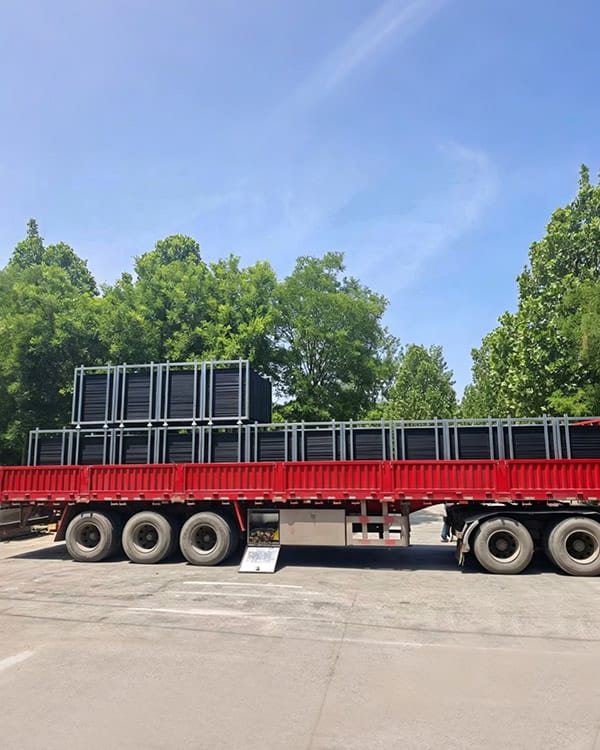
Planificación de Instalación, Uso e Inspección
Effective silo liner design planning continues after a purchase order is issued. Confirm how the product will be unloaded, stored, identified, and moved to the work area. Protect reference surfaces and labels. Where components are supplied in matched sets or panels, preserve the installation sequence.
At the point of use, compare the delivered item with the approved silo liner design record. Check visible damage, dimensions or identification specified in the inspection plan, and the condition of supports or mating parts. Do not force an item into a misaligned assembly or use a support product over an unverified surface simply because the nominal size appears correct.
Inspection intervals for silo liner design should reflect duty and consequence, not an arbitrary universal period. Establish a baseline, identify high-load or high-wear locations, and record changes consistently. The ASTM D792 es una referencia de apoyo útil para un contexto disciplinado de medición o estándares.
Errores comunes a evitar
The project team should prevent these errors in silo liner design decisions:
- Tratar cada zona como el mismo deber: documentar la entrada que falta y resolverla antes de su aprobación.
- Colocar sujetadores expuestos en flujo directo: documente la entrada que falta y resuélvala antes de la aprobación.
- Dejar bordes no compatibles: documente la entrada que falta y resuélvala antes de la aprobación.
- Eliminar todo permiso de movimiento: documentar la entrada que falta y resolverla antes de su aprobación.
- Diseñar un panel que no se pueda reemplazar de forma segura: documente la entrada que falta y resuélvala antes de la aprobación.
Common silo liner design problems begin as information gaps. A short technical review before production is generally easier than changing a finished part, rebuilding a route, or investigating unexplained wear after installation.
Preguntas frecuentes
What information is needed to specify silo liner design?
Start with the function, operating conditions, interfaces, dimensions, quantity, and the consequence of failure. A useful silo liner design request also identifies critical acceptance checks and the source of any load or environmental data.
Can silo liner design be selected from a standard size alone?
Standard sizes can simplify sourcing, but size alone does not confirm suitability. Review duty, support, environment, tolerance, and installation before approving silo liner design.
Which test or standard applies to silo liner design?
There is no single universal answer for every application. Use the project specification, equipment instructions, applicable regulations, and recognized material or measurement standards. State the exact document and edition when silo liner design depends on a formal requirement.
How should suppliers quote silo liner design?
Pida a cada proveedor que cotice la misma revisión de RFQ e identifique suposiciones, exclusiones, descripción del material, dimensiones, inspección, embalaje y plazo de entrega. Esto hace que las propuestas de requisitos sean más fáciles de comparar sin depender únicamente del precio.
When should silo liner design be reviewed again?
Revise la decisión cuando cambien la carga, el entorno, la geometría, el equipo, el método de instalación o los requisitos de aceptación. También revise el requisito cuando la inspección muestre desgaste, movimiento, grietas, deformaciones o problemas de soporte inusuales.
Lista de verificación de adquisiciones finales
Antes de que comience la producción del requisito, confirme que la solicitud y la base de aceptación estén completas.
- El propósito del requisito se establece en una oración clara.
- Se documenta el control de cargas, entorno, dimensiones e interfaces.
- Los supuestos y la responsabilidad de la verificación del sitio son visibles.
- Se confirma el producto, revisión del dibujo, cantidad y características críticas.
- Se definen expectativas de inspección, marcado, embalaje, manipulación y reemplazo.
- Las partes interesadas internas y el proveedor están trabajando a partir de la misma revisión.
Paowo suministra productos plásticos de ingeniería para proyectos industriales, pero una recomendación útil depende de información precisa de la aplicación. Revisar lo relevante página del producto, el guía técnica relacionada, el recurso de aplicación, y el artículo de apoyo. Luego usa el página de contacto enviar planos y condiciones de operación para una discusión específica del proyecto sobre el requisito.