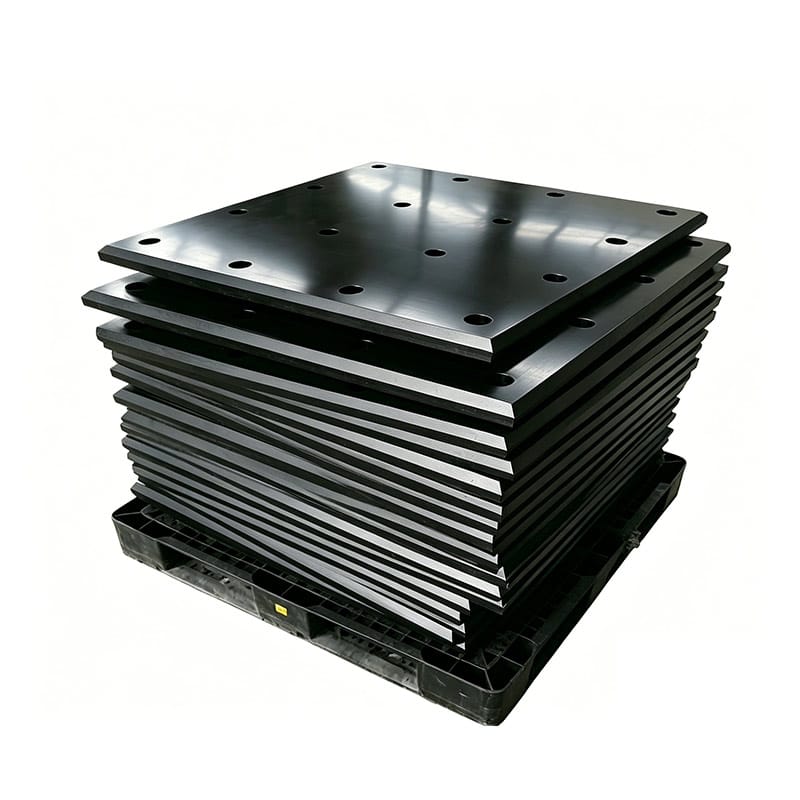
يمكن أن يؤدي اختيار حصيرة الحماية الأرضية HDPE بناءً على وزن السيارة أو سمك الحصيرة فقط إلى نتيجة خاطئة.
يمكن أن تتصرف نفس الحصيرة بشكل مختلف تمامًا على الحصى المضغوط أو الطين الجاف أو التربة السطحية الرطبة أو الرمل السائب أو العشب أو الطين المشبع. وذلك لأن حصيرة الحماية الأرضية لا تحمل المعدات بشكل مستقل. فهو يعمل مع السطح والطبقة السفلية تحته.
للمقاولين وشركات تأجير المعدات وأطقم المرافق وفرق الهندسة المدنية ومديري المشتريات، فهم الظروف الأرضية لحصائر الحماية الأرضية ولذلك فهو أحد أهم أجزاء تخطيط الوصول المؤقت.
يمكن أن تؤثر صلابة الأرض، والرطوبة، والصرف، والانحدار، ومناطق الضعف المخفية، وتكرار حركة المرور، وتكوين الإطارات أو المسار، وكيفية توصيل الحصائر، على الأداء.
يشرح هذا الدليل كيفية تقييم تلك الظروف قبل الاختيار سجادات الطريق المؤقتة HDPE ولماذا يجب التعامل مع الحصيرة كجزء من نظام وصول مؤقت كامل وليس كبديل لإعداد الموقع المناسب أو الحكم الهندسي.
لماذا تعتبر ظروف الأرض أكثر أهمية من سمك الحصيرة وحدها
من المغري تبسيط اختيار حصيرة الحماية الأرضية في صيغة
آلة أثقل = حصيرة أكثر سمكًا.
ومن الناحية العملية، يتجاهل هذا النهج المتغير الأكثر أهمية: ما هو موجود تحت السجادة.
تخلق الآلة الثقيلة التي تعمل على سطح إجمالي ثابت وجيد التصريف وضعًا مختلفًا تمامًا عن نفس الآلة التي تعبر التربة السطحية المشبعة بعد عدة أيام من المطر.
تقوم الحصيرة نفسها بتوزيع الحمل المطبق على مساحة أكبر، ولكن يجب أن تظل التربة الأساسية قادرة على استقبال هذا الحمل.
توفر متطلبات البناء الخاصة بإدارة السلامة والصحة المهنية مبدأً عامًا مفيدًا عند مناقشة ظروف الأرض للمعدات: يجب أن توفر الأرض ما يكفي من الصلابة والصرف والتسوية والدعم للمعدات المستخدمة.
بالنسبة لمشاريع الوصول المؤقت، هذا يعني أنه ينبغي عادةً اختيار حصائر HDPE بعد التقييم
- صلابة الأرض
- نوع التربة
- حالة الرطوبة
- تصريف المياه
- التخدد الموجود
- المنحدر السطحي
- وزن السيارة
- الإطارات أو تتبع الاتصال
- عدد التمريرات
- الدوران والكبح
- تخطيط حصيرة
- طريقة الاتصال
- مدة الاستخدام
لا ينبغي افتراض أن الحصيرة التي تعمل بشكل جيد في أحد المشاريع مناسبة تلقائيًا لمشروع آخر لمجرد استخدام نفس الحفار أو الشاحنة.
ماذا يعني “Firm Ground” فعليًا بالنسبة لسجاد الحماية الأرضية؟
“غالبًا ما يتم استخدام ”Firm Ground” بشكل فضفاض في مناقشات المشروع.
قد يصف أحد الأشخاص موقع البناء العشبي بأنه ثابت لأنه يشعر بالصلب عند المشي عبره. قد تكشف الشاحنة أو الحفارة المحملة عن حالة مختلفة تمامًا.
بالنسبة للاختيار العملي للحصيرة، تتعلق الصلابة بقدرة الأرض على مقاومة التشوه عندما تمارس المعدات الضغط.
علامات على أرض ثابتة نسبيا
يمكن اعتبار الموقع ثابتًا نسبيًا عندما:
- تنتج حركة السير على الأقدام تشوهًا واضحًا قليلًا
- لا تخلق إطارات المركبات أخاديد عميقة في ظل حركة المرور العادية في الموقع
- السطح لا يضخ أو يتحرك بشكل ملحوظ عند تحميله
- لا يرتفع الماء على الفور حول مسارات الإطارات
- تم ضغط الطبقة الأساسية بشكل صحيح
- تظل طرق الوصول الحالية مستقرة بعد تكرار حركة المرور
يمكن أن تشمل الأمثلة الركام المضغوط جيدًا، وأسطح الوصول إلى البناء المعدة، والتربة الكثيفة الجافة، والمناطق المرصوفة المناسبة.
حتى على الأرض الصلبة، قد تظل الحصائر مفيدة لحماية السطح من علامات الإطارات أو المعدات المجنزرة أو التلوث أو حركة المرور المتكررة.
علامات الأرض الضعيفة أو الناعمة
قد تظهر الأرض الناعمة:
- آثار عميقة
- خشخشة الإطارات الموجودة
- الضخ السطحي
- المياه الراكدة
- نزوح الطين
- تسوية غير متساوية
- المنخفضات الموضعية
- ملء فضفاض
- التربة المضطربة مؤخرا
- أكتاف ضعيفة حول طريق الوصول
النقطة المهمة هي ذلك قد لا يكشف المظهر السطحي وحده عن ضعف أعمق.
يمكن للقشرة الجافة في بعض الأحيان أن تغطي طبقة مشبعة أكثر ليونة تحتها. يمكن أيضًا أن تؤدي المرافق الموجودة تحت الأرض أو الخنادق أو المناطق المملوءة أو المجاري أو الفراغات أو المناطق المحفورة مؤخرًا إلى خلق مخاطر محلية.
للوصول إلى المعدات الحيوية، يجب تقييم هذه الشروط من قبل موظفي الموقع المؤهلين بدلاً من استنتاجها من مظهر السطح.
كيف تغير الرطوبة سلوك تحمل التربة
تعد المياه أحد أكبر الأسباب التي قد تؤدي إلى تغيير طريق الوصول المؤقت من طريق قابل للاستخدام إلى طريق مثير للمشاكل في فترة قصيرة.
قد يتصرف الموقع الذي يدعم حركة المرور يوم الاثنين بشكل مختلف بعد هطول الأمطار الغزيرة يوم الثلاثاء.
تشير أبحاث وزارة الزراعة الأمريكية إلى أن حركة الآلات يمكن أن تضغط التربة بشكل أكثر شدة عند محتويات الرطوبة المتوسطة إلى العالية، في حين أن التربة الرطبة بشكل عام لديها قابلية أكبر للتشوه والضغط.
لماذا يمكن أن تكون الأرض الرطبة أكثر صعوبة
مع زيادة الرطوبة، تفقد بعض أنواع التربة قدرتها على مقاومة التحميل بشكل فعال.
قد تتسبب حركة مرور المركبات الثقيلة بعد ذلك في:
- التخدد
- ضخ
- حركة التربة الجانبية
- فقدان الجر
- تسوية
- الضرر السطحي
- التدهور التدريجي لطريق الوصول
وهذا مهم بشكل خاص في مواقع البناء حيث تستخدم آلات متعددة نفس مسار السفر.
قد تبدو التمريرات القليلة الأولى مقبولة، في حين أن حركة المرور المتكررة تضعف المسار تدريجيًا.
تساعد الحصائر الأرضية، لكنها لا تزيل الماء
يمكن أن تساعد حصائر الحماية الأرضية HDPE في توزيع الأحمال المرورية وتقليل التلامس المباشر للإطارات مع السطح.
ومع ذلك، فإنها لا تحول التربة المشبعة إلى طبقة تحتية مصممة بشكل صحيح.
إذا استمر الماء في التراكم تحت نظام الحصيرة، فقد تستمر الأرض الداعمة في الضعف.
ولهذا السبب ينبغي النظر في الصرف وإعداد المسار جنبًا إلى جنب مع مواصفات الحصيرة.
لماذا يعد الصرف أمرًا بالغ الأهمية لأداء حصيرة الطريق المؤقتة
عند التقييم الظروف الأرضية لحصائر الحماية الأرضية, ، يجب التعامل مع الصرف كمدخل تصميمي وليس كتفاصيل بسيطة للموقع.
تتضمن إدارة السلامة والصحة المهنية على وجه التحديد الصرف عند تحديد الظروف الأرضية المناسبة لبعض عمليات معدات البناء.
نفس المبدأ الأساسي مهم بالنسبة لطرق الوصول المؤقتة: تؤثر إدارة المياه على حالة الأرض الداعمة.
سوء الصرف يمكن أن يؤدي إلى فشل تدريجي
تخيل طريقًا مؤقتًا HDPE مثبتًا فوق تربة ناعمة نسبيًا.
إذا تجمع الماء تحت حصائر الطريق، فإن أحمال العجلات المتكررة قد تجبر الماء وجزيئات التربة الدقيقة على التحرك.
مع مرور الوقت، قد ترى:
- الحصير يتأرجح تحت حركة المرور
- ضخ المياه من خلال المفاصل
- زيادة عمق الشبق بجانب الطريق
- ارتفاع غير متساوٍ
- تسوية الحافة
- تراكم الطين على سطح الحصيرة
- نقاط الاتصال تتلقى ضغوطا غير طبيعية
في تلك المرحلة، قد لا يؤدي مجرد إضافة حصائر أكثر سمكًا إلى معالجة المشكلة الرئيسية.
ينبغي التحقيق في حالة المياه الأساسية والطبقة التحتية.
تحقق من المكان الذي ستذهب إليه المياه قبل تركيب الحصائر
قبل مد طريق مؤقت، قم بالتفتيش:
- اتجاه تصريف الموقع الطبيعي
- نقاط منخفضة
- الخنادق
- المصارف الموجودة
- المجاري
- مناطق المياه الراكدة
- الجريان السطحي من المنحدرات القريبة
- نقاط تفريغ السقف أو الرصيف
- الخنادق التي تم ردمها مؤخرًا
من الأفضل أن يتجنب طريق الوصول المؤقت إنشاء حاجز يحبس المياه على جانب واحد من نظام الحصيرة.
عندما تكون مشاكل الصرف كبيرة، قد تكون هناك حاجة إلى إعداد الموقع أو طبقات دعم إضافية قبل تركيب حصائر HDPE.
كيف يعمل انتشار الحمل مع سجادات الحماية الأرضية HDPE
أحد الأغراض الرئيسية لحصيرة الحماية الأرضية هو توزيع تحميل المركبات عبر منطقة اتصال أكبر.
بدون حصيرة، يطبق الإطار أو المسار القوة مباشرة على مساحة محدودة نسبيًا من التربة.
باستخدام نظام الحصيرة، يمكن نقل بعض هذه القوة عبر منطقة أوسع.
ومع ذلك، توزيع الحمل ليس غير محدود.
تعمل السجادة والأرض معًا
فكر في النظام على شكل ثلاث طبقات
طبقة المعدات
وهذا يشمل:
- وزن السيارة
- حمولة
- حجم الإطارات
- ضغط الإطارات
- هندسة المسار
- تكوين المحور
- حركة ديناميكية
طبقة حصيرة
وهذا يشمل:
- أبعاد الحصيرة
- سمك
- مادة
- نمط السطح
- صلابة اللوحة
- تصميم مشترك
- تباعد الاتصال
- تداخل الحصيرة أو ترتيب الحافة
الطبقة الأرضية
وهذا يشمل:
- نوع التربة
- رطوبة
- الضغط
- تحمل القدرة
- تصريف المياه
- منحدر
- عمق المواد الضعيفة
إذا أسيء فهم أي من هذه الطبقات، فقد تكون النتيجة مخيبة للآمال حتى لو تم تحديد الطبقتين الأخريين بشكل جيد.
ولهذا السبب توصي Paowo بتوفير معلومات السيارة وظروف الموقع الفعلية عند طلب حصيرة طريق HDPE مخصصة توصية.
لماذا وزن السيارة وحده لا يكفي
“هل يمكن لهذه الحصيرة أن تدعم حفارة تزن 30 طنًا؟”
يعد هذا أحد الأسئلة الأكثر شيوعًا التي يتلقاها الموردون، لكنه لا يوفر معلومات كافية للحصول على إجابة مسؤولة.
يمكن لآلتين لهما نفس الوزن الإجمالي تطبيق أحمال مختلفة جدًا على الأرض.
المعدات ذات العجلات وحصائر الحماية الأرضية
بالنسبة للمركبات ذات العجلات، تشمل المدخلات المهمة ما يلي
- الوزن التشغيلي الإجمالي
- عدد المحاور
- تحميل المحور
- أبعاد الإطارات
- ضغط تضخم الإطارات
- حمولة
- ما إذا كانت السيارة سيتم تحميلها أو فارغة
على سبيل المثال، لا ينبغي تقييم الشاحنة القلابة المحملة باستخدام وزن السيارة الفارغة فقط.
تعتبر الأحمال المحورية المتكررة مهمة أيضًا لأن الأرض تتعرض للحمل عدة مرات أثناء مرور كل عجلة.
المعدات المجنزرة وحصائر الحماية الأرضية
تقوم المعدات المجنزرة بتوزيع وزن الماكينة بشكل مختلف.
معلومات مفيدة تشمل:
- الوزن التشغيلي الإجمالي
- عرض المسار
- طول المسار ملامس للأرض
- تتبع تكوين الحذاء
- تحول السلوك
قد تحتوي الآلات المجنزرة على مناطق اتصال كبيرة نسبيًا، لكن الدوران يمكن أن يؤدي إلى قوى جانبية أو قص كبيرة.
وهذا يعني أن نظام الحصيرة المستخدم في الحفارة والذي يدور بشكل متكرر قد يتطلب تقييمًا مختلفًا عن الطريق المؤقت المستقيم الذي تستخدمه الشاحنات.
كيف تغير حركة المرور المتكررة الظروف الأرضية
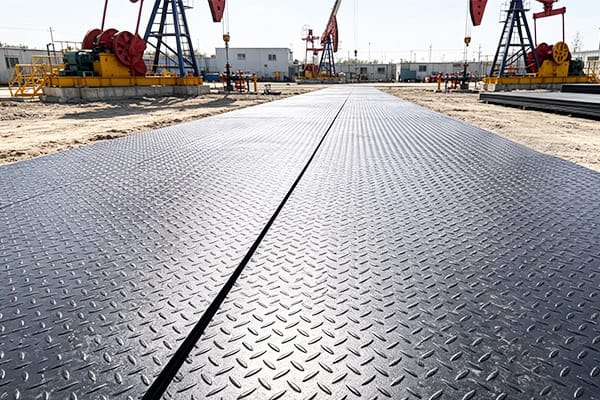
يجب أن يأخذ تخطيط الحماية الأرضية في الاعتبار ليس فقط أثقل آلة ولكن أيضًا كم مرة سيتم استخدام الطريق.
يمكن لطريق الوصول المؤقت المستخدم مرتين أن يتصرف بشكل مختلف تمامًا عن الطريق الذي يحمل مئات التمريرات.
لماذا يهم عدد التمريرات
يمكن لحركة المرور المتكررة تدريجيا:
- التربة المدمجة
- تعميق التخدد
- نقل المواد الدقيقة
- تغيير الصرف
- اتصالات حصيرة فضفاضة
- دفع الحصير بشكل جانبي
- إنشاء تسوية الحافة
أظهرت أبحاث وزارة الزراعة الأمريكية أن نسبة كبيرة من بعض تأثيرات ضغط التربة يمكن أن تحدث أثناء المرور المبكر للعجلات، مما يسلط الضوء على سبب أهمية أنماط حركة المرور عند حماية الأرض الحساسة.
بالنسبة لتحركات المركبات المتكررة، يجب أن يتضمن تخطيط الطريق المراقبة.
لا تفترض أنه نظرًا لأن الآلة الأولى عبرت بنجاح، فإن المسار سيبقى دون تغيير طوال المشروع.
كيف يؤثر نوع التربة على أداء حصيرة حماية الأرض
تستجيب التربة المختلفة بشكل مختلف للرطوبة والتحميل.
قد تكون هناك حاجة إلى تقييم جيوتقني مناسب للمشاريع عالية المخاطر، ولكن فهم الاختلافات الأساسية يساعد فرق المشتريات على طرح أسئلة أفضل.
حصائر HDPE على التربة الطينية
يمكن أن يصبح الطين مشكلة بشكل خاص عندما يكون مبللاً.
وتشمل القضايا المحتملة ما يلي:
- انخفاض استقرار السطح
- التخدد
- تلطيخ
- سوء الصرف
- نقل الطين على أسطح الحصيرة
قد يتغير الموقع الطيني الذي يبدو قاسيًا أثناء الظروف الجافة بشكل كبير بعد هطول الأمطار.
ولذلك ينبغي إدراج الصرف الصحي والظروف الجوية في التخطيط.
سجادات HDPE على أرض رملية
تمثل الرمال السائبة تحديًا مختلفًا.
بدلاً من أن تصبح لزجة مثل الطين، قد يكون الرمل:
- التحول أفقيا
- روت
- التحرك عند حواف حصيرة
- إنشاء دعم غير متساو
حالة الرمال ومستوى الضغط والرطوبة والعمق كلها أمور.
لا ينبغي التعامل مع الرمال السائبة على طراز الشاطئ والمواد الحبيبية المضغوطة بشكل صحيح كظروف أرضية مكافئة.
سجادات HDPE على العشب والعشب
كثيرا ما تستخدم حصائر الحماية الأرضية من أجل:
- مشاريع المناظر الطبيعية
- الأحداث الخارجية
- صيانة المرافق
- عمل الشجرة
- الوصول إلى الممتلكات
- طرق البناء المؤقتة
قد يكون الهدف أقل يتعلق بدعم المعدات الثقيلة للغاية وأكثر حول تقليل تلف العشب والتخدد.
ومع ذلك، يمكن للعشب الرطب إخفاء التربة السطحية الناعمة تحته.
يجب التحقق من المسار بعد هطول الأمطار، خاصة عندما يكون من المتوقع حركة مرور كثيفة أو متكررة للمركبات.
HDPE ماتس على الحصى والدرجات الفرعية المعدة
قد توفر القاعدة الإجمالية المضغوطة دعمًا أفضل بكثير من التربة غير المعالجة.
في هذه التطبيقات، يمكن استخدام حصائر الطريق من أجل:
- حماية السطح المجهز
- توفير طريق مؤقت محدد
- تحسين الجر
- تقليل التلوث
- تبسيط عملية التنظيف
- توفير الوصول القابل لإعادة الاستخدام
وحتى ذلك الحين، قم بفحص الطريق بحثًا عن الأكتاف الناعمة وقنوات الصرف الصحي والركام السائب والمستوطنات المحلية.
لماذا يغير Slope اختيار الحصيرة
المنحدر هو عامل آخر لا ينبغي فصله عن حالة الأرض.
على التضاريس المستوية، قد يكون الاهتمام الأساسي هو التحميل الرأسي.
على المنحدر، تظهر قوى إضافية.
مسألة الكبح والتسارع
يمكن للمركبات التي تسير صعودًا أو هبوطًا نقل قوى إضافية إلى نظام الحصيرة من خلال:
- الكبح
- تسارع
- انزلاق العجلة
- حركة المسار
كلما كان المسار أكثر انحدارًا، كلما كان الجر وحركة الحصيرة والوصلات أكثر دقة.
المنحدرات الجانبية تحتاج إلى مزيد من الاهتمام
يمكن أن يؤدي عبور منحدر جانبي إلى تحميل مختلف بين الجانبين الصاعد والمنحدر.
المشاكل المحتملة تشمل:
- حركة الحصيرة الجانبية
- تسوية غير متساوية
- انخفاض الجر
- تحميل الحافة
بالنسبة لطرق الوصول شديدة الانحدار أو غير المستقرة أو ذات الأهمية الحيوية للسلامة، يجب على مهندس الموقع المؤهل تحديد ما إذا كان نظام المسار والحصيرة مناسبًا.
لا ينبغي أبدًا تقديم حصيرة بلاستيكية كبديل لهندسة طرق الوصول الآمنة.
كيف يساعد نسيج السطح في الظروف الموحلة والرطبة
لا تؤثر الظروف الأرضية على ما يحدث أسفل السجادة فحسب، بل تؤثر أيضًا على ما يحدث فوقها.
كثير Paowo HDPE حصائر الطريق المؤقتة يمكن إنتاجها بأنماط سطحية مضادة للانزلاق.
يمكن أن يحسن الملمس التفاعل بين سطح الحصيرة و:
- الإطارات
- المسارات
- حركة السير
ومع ذلك، الملمس ليس سوى جزء واحد من إدارة الجر.
يمكن للطين والطين والحطام أن يملأ نمط السطح ويقلل من فعاليته.
حافظ على نظافة سطح السجادة
خلال المشاريع الطويلة، التفتيش والتنظيف:
- تراكم الطين
- حجر فضفاض
- زيت
- الغطاء النباتي
- ثلج
- حطام البناء
وهذا مهم بشكل خاص على الطرق التي تقوم فيها المركبات بالفرملة أو الانعطاف أو الصعود أو النزول.
عندما تكون هناك حاجة إلى إعداد الأرض قبل تثبيت حصائر HDPE
تتطلب بعض المشاريع أكثر من مجرد وضع الحصائر على الأرض الحالية.
تشمل العلامات التحذيرية التي تشير إلى أنه قد يكون من الضروري إجراء تحضيرات إضافية ما يلي:
- الأخاديد العميقة الموجودة
- التربة المشبعة
- المياه الراكدة
- ملء فضفاض
- التفاوت الشديد
- المناطق المحفورة مؤخرا
- الطين العميق
- أكتاف غير مستقرة
- منحدر كبير
- الفراغات المعروفة تحت الأرض
اعتمادًا على الموقع، قد يتضمن الإعداد التصنيف، أو تحسين الصرف، أو إزالة المواد السطحية الضعيفة، أو الركام المضغوط، أو التكسية الأرضية، أو أي نظام دعم هندسي آخر.
وينبغي اختيار الطريقة المناسبة من قبل موظفي المشروع المطلعين على ظروف الموقع.
اتصالات MAT أكثر أهمية على أرض ضعيفة
لا تعمل الألواح الفردية بشكل منفصل عند استخدامها كطريق مؤقت.
تساعد أنظمة الاتصال الحصائر المتعددة على العمل كمسار مستمر.
يمكنهم أيضًا المساعدة:
- الحفاظ على المحاذاة
- تقليل الفجوات
- الحد من حركة اللوحة الفردية
- حافظ على تنظيم مسار السفر
يمكن لـ Paowo تخصيص فتحات الاتصال وتكوينات الارتباط بناءً على متطلبات المشروع.
الأرض الناعمة يمكن أن تزيد من الحركة المشتركة
إذا استقرت التربة الأساسية بشكل غير متساو، فقد تتحرك الحصائر المتجاورة بالنسبة لبعضها البعض.
وهذا يمكن أن يزيد من التوتر حول:
- فتحات الموصل
- حواف حصيرة
- زوايا
- المواقع المشتركة
وهذا سبب آخر يجعل تقييم الأرض الموجودة أسفل النظام لا يقل أهمية عن تحديد السجادة نفسها.
كيفية فحص الطريق أثناء الاستخدام
لا ينبغي اعتبار طرق الوصول المؤقتة “install وfiss.”
يمكن أن تتغير الظروف بعد:
- أمطار غزيرة
- التنقيب في مكان قريب
- زيادة حركة المركبات
- التغييرات في المعدات
- دورات التجميد والذوبان
- انسداد الصرف
ابحث عن علامات الإنذار المبكر
أثناء الاستخدام، قم بفحص:
- روتينج جديد
- حصيرة هزاز
- مفاصل غير متساوية
- تكسير السطح
- حركة الموصل
- إزاحة حصيرة
- ضخ المياه
- يظهر الطين من خلال المفاصل
- تسوية الحافة
- زيادة انزلاق العجلة
عادةً ما يكون التصحيح المبكر أسهل من إصلاح المسار بعد حدوث تدهور كبير.
الأخطاء الشائعة عند اختيار سجادات الحماية الأرضية
تحدث العديد من الأخطاء بشكل متكرر عندما يركز المشترون على مواصفات المنتج دون معلومات كافية عن الموقع.
الاختيار حسب وزن المعدات فقط
الوزن الإجمالي للمركبة مفيد، ولكنه ليس كافيا.
حالة الأرض، وتحميل المحور أو المسار، وتكرار حركة المرور وأنماط الحركة مهمة أيضًا.
تجاهل الطقس
قد لا تكون المواصفات المختارة للتربة الجافة مناسبة بعد هطول الأمطار المستمر.
بافتراض أن الحصائر السميكة تصلح الأرض الناعمة
قد تؤدي زيادة سمك الحصيرة إلى تحسين جوانب معينة من الأداء، ولكنها لا تصحح تلقائيًا الطبقة السفلية الضعيفة أو المشبعة.
تجاهل الصرف
يمكن للمياه المحاصرة أسفل نظام الحصيرة أن تضعف التربة الداعمة تدريجيًا.
نسيان تحويل الأحمال
تخلق السيارة التي تسير بشكل مستقيم حالة مختلفة عن دوران الحفار أو اللودر بشكل متكرر في نفس الموقع.
استخدام “Maximum Load” المنشور بدون شروط الاختبار
يجب دائمًا تفسير مطالبات التحميل جنبًا إلى جنب مع ترتيب الاختبار وحالة الدعم والامتداد ومنطقة الاتصال والشروط الأخرى ذات الصلة.
رقم تحميل واحد بدون سياق لا يكفي لتصميم الموقع.
ما هي المعلومات التي يجب عليك تقديمها عند طلب سجادات الطريق HDPE؟
تعتمد جودة توصية المورد بشكل كبير على المعلومات المضمنة في طلب عرض الأسعار.
بدلاً من الإرسال فقط:
“يرجى ذكر حصائر الحماية الأرضية للخدمة الشاقة،”
توفير ظروف التشغيل الفعلية.
المعلومات الأرضية
يتضمن:
- نوع التربة أو السطح
- حالة ثابتة أو متوسطة أو ناعمة
- حالة رطبة أو جافة
- التخدد الموجود
- المياه الراكدة
- المنحدر الأرضي
- حالة الصرف
- صور الطريق
- مناطق الضعف المعروفة
معلومات المعدات
يقدم:
- نوع المعدات
- الشركة المصنعة والطراز إذا كان متاحا
- الوزن التشغيلي
- الحد الأقصى للوزن المحمل
- تكوين الإطارات أو المسار
- تردد حركة المرور المتوقع
- متطلبات التحول
معلومات الطريق المؤقتة
يقدم:
- طول الطريق المطلوب
- عرض الطريق المطلوب
- مدة المشروع
- طريق مستقيم أو منحني
- أبعاد الحصيرة المطلوبة
- متطلبات نسيج السطح
- متطلبات الاتصال
- الكمية المطلوبة
- متطلبات حصيرة احتياطية
- موقع التسليم
- جدول التثبيت
إن توفير هذه المعلومات يسهل على المورد تقييم التطبيق كنظام وصول مؤقت كامل بدلاً من اقتباس حصيرة من الوزن وحده.
قائمة مراجعة تقييم موقع حصيرة الحماية الأرضية
قبل طلب حصائر HDPE، قم بمراجعة المسار مع الأشخاص المسؤولين عن الوصول إلى الموقع وعمليات المعدات.
الأرض والصرف
يفحص:
- نوع التربة أو السطح
- صلابة تحت التحميل المتوقع
- هطول الأمطار الأخيرة والمتوقعة
- المياه الراكدة
- اتجاه الصرف
- الأخاديد الموجودة
- الخنادق المملوءة
- المجاري والخدمات تحت الأرض
- أكتاف ضعيفة
- التغيرات في الارتفاع
المعدات والمرور
يسجل:
- الحد الأقصى لوزن التشغيل أو التحميل
- تكوين المحور أو الإطار أو المسار
- عدد التمريرات المتوقعة
- مناطق الدوران والكبح والتسارع
- سرعة السفر
- ما إذا كان سيتم استخدام المسار لأكثر من نوع واحد من المعدات
- مدة المشروع
نظام مات
يؤكد:
- أبعاد الحصيرة وسمكها
- نسيج السطح
- طريقة الاتصال
- عرض الطريق
- دعم الحافة
- التداخل المطلوب أو الترتيب المشترك
- طريقة التثبيت والإزالة
- تردد التفتيش
- خطة التنظيف
بالنسبة للمصاعد الحيوية أو الرافعات أو الركائز أو المنحدرات غير المستقرة أو التربة العميقة الضعيفة أو غيرها من العمليات الحساسة للسلامة، يجب على المهندس المؤهل تقييم الأرض الداعمة ونظام الوصول.
الشروط الأرضية لحصائر الحماية الأرضية الأسئلة الشائعة
هل يمكن استخدام سجادات الحماية الأرضية HDPE على الطين؟
يمكن استخدامها في الظروف الموحلة عندما تكون الأرض الداعمة والصرف وتحميل المعدات وتخطيط الحصيرة مناسبة. قد يتطلب الطين العميق أو المشبع تصنيفًا أو تجميعًا أو تكسية أرضية أو طبقة دعم أخرى معدة قبل تركيب الحصائر.
هل الحصائر السميكة تحمل دائمًا وزنًا أكبر؟
سمك الحصيرة هو مدخل واحد فقط. تؤثر أبعاد الحصيرة والمواد وحالة الدعم ومنطقة التلامس وتخطيط المفصل وقوة الأرض الأساسية على الأداء. يجب مراجعة قيمة الحمل المنشورة مع ظروف الاختبار الخاصة بها.
هل سجادات الحماية الأرضية مناسبة للأرضيات الناعمة؟
يمكن أن تساعد في توزيع الأحمال وتقليل التخدد على الأرض الناعمة، لكنها لا تحل محل الدعم الكافي من الطبقة السفلية. يجب تقييم عمق ورطوبة الطبقة الضعيفة وتكرار حركة المرور وتكوين السيارة والصرف قبل الاستخدام.
هل يمكن للحفارات تشغيل سجادات الطريق HDPE؟
يمكن للمعدات المجنزرة أن تخلق قوى جانبية كبيرة أثناء الدوران. يجب تقييم المسار وملمس الحصيرة ونظام الاتصال والأرض الداعمة للمناورة المتوقعة. قد يتطلب التمحور المتكرر في موقع واحد تخطيطًا مختلفًا أو إعدادًا إضافيًا للموقع.
ما مدى اتساع طريق الحصيرة المؤقتة؟
يعتمد العرض المطلوب على عرض السيارة، وخلوص التوجيه، وسلامة الحافة، واتجاه حركة المرور، وهندسة الموقع وعواقب مغادرة سطح السجادة. يجب أن يوفر المسار خلوصًا تشغيليًا مناسبًا بدلاً من مطابقة العرض من إطار إلى إطار فقط.
هل يجب تركيب التكسية الأرضية تحت حصائر HDPE؟
قد يكون التكسية الأرضية مفيدًا في بعض المشاريع لفصل المواد أو دعم نظام وصول مُجهز، لكن التصميم الصحيح يعتمد على التربة والمياه والتحميل ومدة المشروع. يجب على موظفي الموقع أو المهندس المؤهل تحديد طبقات الدعم عندما تتطلب الظروف ذلك.
كم مرة يجب فحص طريق الحصيرة المؤقتة؟
فحص المسار أثناء التثبيت، قبل الاستخدام وبشكل منتظم طوال المشروع. يجب أن تتبع عمليات الفحص الإضافية هطول أمطار غزيرة أو تغير حركة المرور أو الاستيطان المرئي أو الحفر القريب أو أي حركة عند مفاصل الحصيرة.
ما هي المعلومات المطلوبة لعرض أسعار حصيرة الحماية الأرضية؟
توفير نوع الأرض وظروف الرطوبة والصرف وأبعاد المسار والمنحدر وأوزان المعدات وتفاصيل الإطارات أو المسار والعدد المتوقع من التمريرات ومتطلبات الدوران ومدة المشروع وصور المسار.
خاتمة
يجب تقييم الظروف الأرضية لحصائر الحماية الأرضية بعناية مثل سمك الحصيرة وأبعادها ونمط سطحها.
تؤثر الصلابة والرطوبة والصرف ونوع التربة والمنحدر وتكرار حركة المرور وتكوين المعدات وتخطيط الاتصال على كيفية أداء طريق HDPE المؤقت.
تساعد حصيرة الحماية الأرضية على توزيع الأحمال وحماية السطح، ولكنها تعمل كجزء من نظام يتضمن المعدات وتخطيط الحصيرة والأرض الداعمة. ولا ينبغي التعامل معه كحل عالمي للتربة المشبعة أو غير المستقرة أو غير المجهزة بشكل كافٍ.
للحصول على التوصية الأكثر فائدة، أرسل إلى Paowo Group أبعاد المسار وصور الموقع وظروف الأرض والصرف ونموذج المعدات ووزنها وتكوين الإطار أو المسار وتكرار حركة المرور المتوقع ومتطلبات الاتصال.
إمدادات مجموعة Paowo سجادات الطريق المؤقتة HDPE للوصول إلى البناء والمرافق والمناظر الطبيعية والأحداث وطرق المعدات الثقيلة. اتصل بالفريق لتزويدك بمعلومات مشروعك للحصول على عرض أسعار وتكوين حصيرة قائم على التطبيق.