جدول المحتويات
يبدو وزن الورقة وكأنه تفاصيل شراء بسيطة حتى يؤثر على خطة الرفع، أو تخطيط منصة التحميل، أو عرض أسعار الشحن، أو جدول التثبيت. غالبًا ما يتلقى المشترون الأبعاد أولاً ويحسبون الكتلة لاحقًا، ومع ذلك فإن كثافة UHMWPE هي القيمة التي تربط تلك الأبعاد بتقدير الوزن العملي.
يساعد التقدير الموثوق فرق المشتريات على مقارنة عروض الأسعار على نفس الأساس، والتحقق مما إذا كان من الممكن نقل منصة التحميل بأمان، وتحديد ما إذا كان ينبغي توفير بطانة كبيرة في قطعة واحدة أو عدة أقسام. كما أنه يمنع حدوث خطأ شائع: التعامل مع الرقم المحسوب باعتباره وزن الشحن المضمون. يوضح هذا الدليل كيفية استخدام كثافة UHMWPE للتخطيط مع الحفاظ على درجة المواد وتسامح الأبعاد والتصنيع والتعبئة والتغليف في الاعتبار.
ماذا تعني كثافة UHMWPE
الكثافة هي الكتلة مقسومة على الحجم. ال دليل NIST إلى SI يعبر عن كثافة الكتلة بـ rho = m/V، مع كيلوغرام لكل متر مكعب كوحدة SI. بالنسبة للصفائح المستطيلة، يتم ضرب الحجم في العرض والسمك. بمجرد معرفة حجم وكثافة UHMWPE، تتبع الكتلة المقدرة مباشرة.
هذا الحساب مفيد للتخطيط، ولكنه ليس بديلاً عن بيانات المواد المقدمة مع الطلب. يمكن أن تختلف كثافة UHMWPE باختلاف درجة الراتنج والتصبغ والمواد المضافة وتاريخ المعالجة وطريقة الاختبار. ولذلك يجب أن تحدد الوثائق النهائية الدرجة وقيمة الكثافة المستخدمة، بدلاً من الاعتماد على رقم عام عبر الإنترنت.
نطاق الكثافة النموذجي ولماذا يختلف
مراجعة النظراء مراجعة خصائص UHMWPE تقارير نطاق الجاذبية النوعية التمثيلية من 0.925 إلى 0.945. هذا النطاق مفيد لفهم عائلة المواد، ولكن يجب أن يستخدم الشراء الصناعي القيمة المذكورة للدرجة المحددة. في هذه المقالة، يتم استخدام 0.94 جم/سم ^ 3 فقط كافتراض تقدير شفاف.
قد تؤدي الملونات والحزم المضادة للكهرباء الساكنة والحشوات والتعديلات الأخرى إلى تغيير كثافة UHMWPE. يمكن أن يكون للورقة النهائية أيضًا تفاوتات في السُمك وحجم المخطط. لا تمثل الورقة الاسمية مقاس 20 مم تلقائيًا 20.00 مم بالضبط عبر كل نقطة، لذلك يجب تقديم الوزن المحسوب بناءً على الأبعاد الاسمية فقط كتقدير.
شروط الاختبار لكثافة مادة UHMWPE أيضًا. ايزو 1183-1 يغطي طرق الغمر ومقياس البيكنومتر السائل والمعايرة للمواد البلاستيكية غير الخلوية. أستم D792 يعالج الكثافة والثقل النوعي عن طريق الإزاحة. عندما تكون الكثافة مهمة لمعايير القبول، اذكر الطريقة المطلوبة وحالة الاختبار في طلب عرض الأسعار.
كيفية حساب وزن ورقة UHMWPE
بالنسبة للأبعاد المترية، يستخدم الحساب الأكثر ملاءمة المليمترات وكثافة UHMWPE بالجرام لكل سنتيمتر مكعب
الوزن المقدر (كجم) = الطول (مم) x العرض (مم) x السمك (مم) x الكثافة (جم/سم^3) /1،000،000
يعمل التحويل لأن 1 سم^3 يساوي 1000 مم^3 و1 كجم يساوي 1000 جم. دليل حجم NIST يوفر العلاقات المترية الأساسية. استخدم نظام وحدة واحد متسق طوال عملية الحساب؛ يعد خلط الأمتار والمليمترات والسنتيمترات مصدرًا متكررًا للأخطاء الكبيرة.
للتخطيط المبكر، أدخل قيمة تقديرية متفق عليها لكثافة UHMWPE. بالنسبة لوثائق الشراء، استبدل هذا الافتراض بالقيمة الموجودة في ورقة بيانات المواد ذات الصلة أو سجل الفحص.
مثال متري عملي
خذ بعين الاعتبار ورقة اسمية بقياس 2000 مم x 1000 مم x 20 مم. باستخدام كثافة تقديرية لـ UHMWPE تبلغ 0.94 جم/سم ^ 3:
- حساب الحجم: 2000 x 1000 x 20 = 40.000.000 مم^3.
- اضرب في كثافة UHMWPE: 40،000،000 x 0.94 = 37،600،000.
- قسمة على 1،000،000: وزن الورقة المقدر = 37.6 كجم.
والنتيجة مناسبة للمناولة الأولية وتخطيط الشحن. لا ينبغي كتابته في أمر الشراء كوزن صافي مضمون ما لم يؤكد المورد الكثافة الفعلية لـ UHMWPE، وتفاوتات الأبعاد، والتكوين النهائي.
إذا تم تقطيع الورقة إلى أجزاء تآكل، أو حفرها، أو ثقبها، أو تشكيلها بجيوب، فستكون الكتلة النهائية أقل. إذا تمت إضافة طبقة واقية أو منصة نقالة أو حاجز أو صندوق، فإن كتلة الشحن الإجمالية ستكون أعلى.
الوزن المقدر لأحجام الأوراق المشتركة
يستخدم الجدول التالي كثافة UHMWPE تبلغ 0.94 جم/سم ^ 3. إنها أداة مساعدة للتقدير وليست مواصفات المنتج. يجب تأكيد الأبعاد والتفاوتات الفعلية المتاحة قبل الطلب.
| الحجم الاسمي | الحجم الاسمي | الوزن الصافي المقدر |
|---|---|---|
| 1000 x 1000 x 10 ملم | 0.010 م^3 | 9.4 كجم |
| 2000 x 1000 x 10 ملم | 0.020 م^3 | 18.8 كجم |
| 2000 x 1000 x 20 ملم | 0.040 م^3 | 37.6 كجم |
| 2000 x 1000 x 30 ملم | 0.060 م^3 | 56.4 كجم |
| 2000 x 1000 x 50 ملم | 0.100 م^3 | 94.0 كجم |
| 2،440 x 1،220 x 20 ملم | 0.059536 م^3 | 56.0 كجم |
| 2،440 x 1،220 x 50 ملم | 0.148840 م^3 | 139.9 كجم |
يمكن للمشترين الذين يقارنون خيارات الورقة أيضًا مراجعة دليل سمك ورقة UHMWPE. يجب اختيار السُمك وفقًا لاحتياجات التآكل والدعم والتأثير والتثبيت والتصنيع - وليس للوزن وحده.
لماذا يمكن أن يختلف الوزن المقتبس
يمكن أن يكون الحسابان صحيحين رياضيًا ويستمران في إنتاج نتائج مختلفة إذا اختلفت مدخلاتهما. قبل تحدي عرض الأسعار، تحقق مما إذا كان كلا الطرفين يستخدمان نفس الأبعاد والوحدات وأساس التسامح وكثافة UHMWPE.
- الأبعاد الاسمية مقابل الأبعاد المقاسة: يتغير حجم تحمل الإنتاج.
- صياغة المواد: قد لا تتطابق الدرجات المعدلة مع الكثافة المفترضة لـ UHMWPE.
- ملف تعريف السطح: قد تتطلب الأوراق المزخرفة أو المنقوشة أساسًا حسابيًا محددًا من قبل المورد.
- التصنيع: الثقوب والفتحات والأخاديد والشطب والجيوب تزيل المواد.
- تقريب الكمية: قد يقوم تقدير البليت بتقريب الأوراق الفردية أو الإجمالي النهائي.
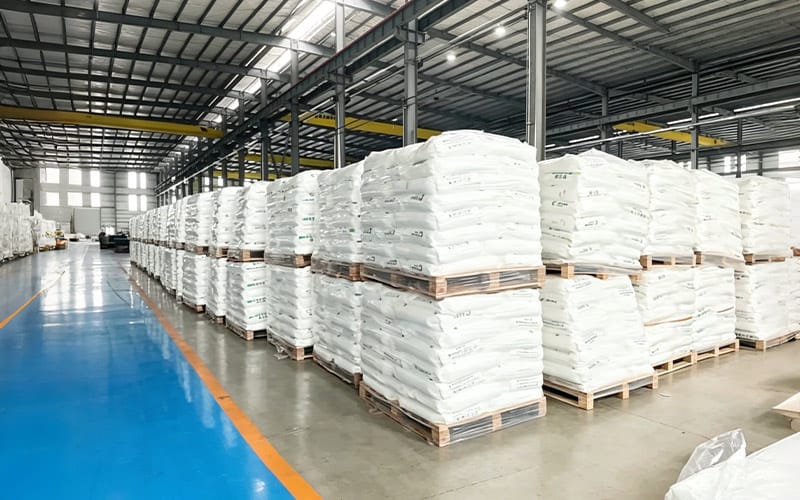
- الوزن الصافي مقابل الوزن الإجمالي: تضيف المنصات والفواصل والتغليف وحماية الحواف والصناديق كتلة.
النهج الأكثر أمانًا هو فصل ثلاثة أرقام: الوزن الصافي الاسمي المحسوب، والوزن الصافي المؤكد من قبل المورد، والوزن الإجمالي المعبأ. تنتمي كثافة UHMWPE إلى الحسابين الأولين؛ التعبئة والتغليف لا.
بدلات قطع غيار UHMWPE الآلية
للحصول على فراغ مستطيل بسيط، تكون صيغة الحجم القياسية كافية. يتطلب المكون النهائي حساب الحجم الصافي. ابدأ بالكتلة المحيطة، واطرح حجم الفتحات والتجويف والفتحات والجيوب وعمليات إزالة الحواف، ثم اضرب الحجم المتبقي في كثافة UHMWPE.
عادة ما يتم التعامل مع الهندسة المعقدة بشكل أكثر موثوقية في CAD. يجب أن يستخدم النموذج الكثافة الصحيحة لـ UHMWPE، ويجب أن تتطابق مراجعة الرسم مع الجزء المقتبس. يجب على فرق المشتريات تجنب الحساب من لقطة شاشة أو رسم قديم لأن التغييرات الهندسية الصغيرة يمكن أن تؤثر على كتلة الجزء وإنتاجية المادة.
تعتبر نفايات التصنيع مهمة تجاريًا أيضًا على الرغم من أنها ليست جزءًا من الوزن النهائي. قد تحتوي الحلقة أو البطانة المنحنية أو المكون ذو الجيوب العميقة على كتلة نهائية منخفضة ولكنها تتطلب فراغًا أكبر بكثير. ال دليل تصنيع UHMWPE المخصص يشرح الرسومات وتفاصيل التطبيق التي تساعد الشركة المصنعة على تقييم المهمة.
استخدام الوزن للشحن والمناولة والتركيب
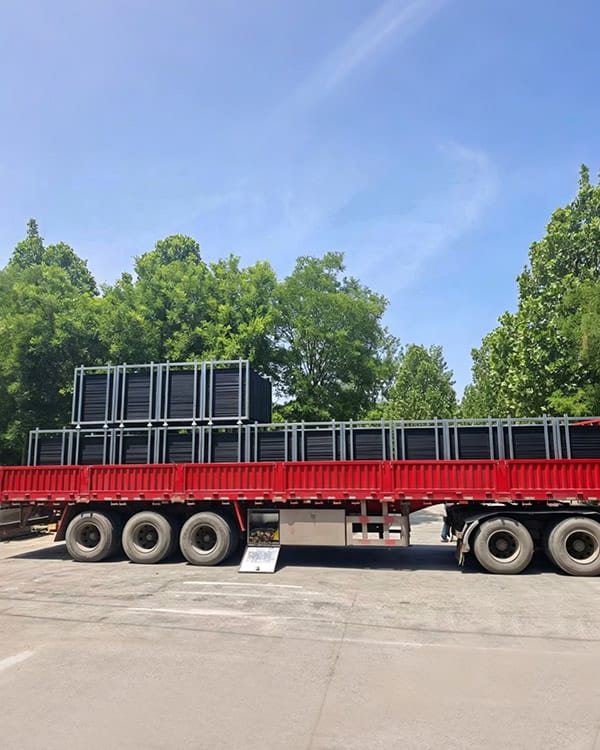
يجب أن يؤدي تقدير الوزن إلى قرارات عملية. بالنسبة لمناولة المستودعات، قارن كتلة الورقة أو الحزمة المقدرة بحدود معدات الرفع وإجراءات الموقع. بالنسبة لتعبئة التصدير، ضع في اعتبارك قوة البليت وارتفاع المكدس والتقييد والحماية من الرطوبة والحد الأقصى لحجم العبوة المقبول بواسطة طريق النقل المحدد.
تخطيط التثبيت لا يقل أهمية. قد تقلل البطانة الكبيرة الواحدة من المفاصل، ولكن قد يكون من الأسهل وضع المقاطع الأصغر وحفرها واستبدالها. استخدم كثافة UHMWPE لمقارنة تخطيطات اللوحة البديلة قبل الانتهاء من الرسومات. تضمين المثبتات، وألواح الدعم، وأي هيكل فولاذي بشكل منفصل؛ لديهم كثافات مختلفة ولا ينبغي دمجها في حساب البوليمر.
بالنسبة للمشاريع التي لا تزال في مرحلة الاختيار، فإن دليل اختيار أوراق UHMWPE يغطي عوامل الدرجة والتآكل ودرجة الحرارة والتأثير والتركيب. الوزن هو جزء واحد فقط من المواصفات المناسبة.
ما يجب تضمينه في طلب عرض الأسعار
يسمح طلب عرض الأسعار الواضح للمورد بالتحقق من الحساب بدلاً من تخمين ما قصده المشتري. تضمين المعلومات التالية:
- الطول والعرض والسمك والكمية النهائية.
- ما إذا كانت الأبعاد اسمية أو دنيا أو قصوى أو مقاسة.
- درجة ولون وتعديل UHMWPE المطلوبة، إذا تم تحديدها بالفعل.
- طريقة الاختبار المطلوبة لكثافة UHMWPE أو متطلبات مستند المواد.
- ملفات رسم للثقوب أو الأخاديد أو الجيوب أو الأنسجة أو الملفات الشخصية غير المنتظمة.
- ما إذا كان الوزن المطلوب صافيًا اسميًا أو صافيًا مؤكدًا أو وزنًا إجماليًا معبأً.
- قيود التعبئة والتغليف والمنصة ووضع العلامات والتعامل.
- شروط التطبيق، بما في ذلك التآكل والتأثير ودرجة الحرارة والمواد الكيميائية والدعم والتثبيت.
إذا لم يتم اختيار الدرجة، فقم بتوفير ظروف العمل بدلاً من فرض كثافة عامة من UHMWPE في المواصفات. يجب أن تتبع التوصية المادية التطبيق، وليس العكس. Paowo UHMWPE الصفائح البلاستيكية الهندسية تلخص الصفحة مسار المنتج المتاح، بينما يجب تأكيد المتطلبات الخاصة بالمشروع مباشرة.
أخطاء حساب الوزن الشائعة
| خطأ | لماذا يسبب المتاعب | ممارسة أفضل |
|---|---|---|
| خلط المليمترات والمتر | يخلق أخطاء بعوامل 1000 أو أكثر | استخدم صيغة واحدة كاملة مع الوحدات المذكورة |
| استخدام الكثافة كوزن | تصف الكثافة الكتلة لكل حجم، وليس الكتلة الإجمالية | احسب الحجم أولاً |
| تجاهل التسامح | قد يختلف الحجم الاسمي والفعلي | اذكر ما إذا كان التقدير يستخدم أبعادًا اسمية أو مقاسة |
| استخدام قيمة عامة لكل درجة | يمكن أن تختلف الصيغ المعدلة | استخدم الكثافة الخاصة بالدرجة لـ UHMWPE |
| التعامل مع الوزن الصافي كوزن الشحن | يتم استبعاد التعبئة والتغليف والمنصات | طلب الوزن الإجمالي المعبأ بشكل منفصل |
| تجاهل المواد المحذوفة | تزن الأجزاء الآلية أقل من فراغات البداية | استخدم الحجم الصافي CAD للأجزاء المعقدة |
خطأ آخر هو تطبيق دقة خاطئة. قد تعرض الآلة الحاسبة عدة منازل عشرية، لكن هذا لا يعني أن أبعاد الإدخال أو كثافة UHMWPE معروفة بنفس الدقة. قم بتقريب التقديرات بشكل مناسب والحفاظ على الافتراضات مرئية.
الأسئلة المتداولة
ما هي القيمة التي يجب أن أستخدمها لكثافة UHMWPE؟
استخدم القيمة الموجودة في ورقة البيانات أو وثيقة الفحص للدرجة المحددة. للحصول على تقدير مبكر فقط، يمكن استخدام افتراض تمثيلي محدد بوضوح. لا تحول هذا الافتراض إلى مواصفات مضمونة.
كيف أحسب وزن ورقة UHMWPE بالكيلوجرام؟
اضرب الطول والعرض والسمك بالملليمتر في الكثافة بالجرام/سم^3، ثم اقسم على 1،000،000. احتفظ بجميع الأبعاد في نفس الوحدة وسجل كثافة UHMWPE التي تم استخدامها.
لماذا يختلف وزن المورد عن تقديري؟
تحقق من الدرجة والأبعاد الفعلية والتسامح والتصنيع وتقريب الكمية وما إذا كان المورد قد ذكر الوزن الصافي أو الإجمالي. اطلب المدخلات الدقيقة قبل افتراض أن أيًا من الحسابين خاطئ.
هل يجب أن أستخدم الأبعاد الاسمية أم المقاسة؟
الأبعاد الاسمية مناسبة للميزانية والخدمات اللوجستية المبكرة. تكون الأبعاد المقاسة والكثافة المؤكدة لـ UHMWPE أكثر ملاءمة عندما تكون الكتلة الفعلية جزءًا من تخطيط الفحص أو الرفع أو القبول.
هل يغير التصنيع كثافة المادة؟
تؤدي إزالة المواد العادية إلى تغيير الحجم والوزن الإجمالي، وليس كثافة UHMWPE. إذا تغيرت الدرجة أو التركيبة، فقد تتغير الكثافة ذات الصلة لـ UHMWPE أيضًا. استخدم الحجم الصافي CAD لجزء نهائي معقد.
القائمة المرجعية النهائية للمشتريات
- تأكد من درجة المادة الدقيقة ومصدر كثافة UHMWPE.
- استخدم وحدات متسقة وأظهر الحساب.
- صافي اسمي منفصل، صافي مؤكد، ووزن إجمالي معبأ.
- حساب التسامح والمواد المحذوفة.
- استخدم الحجم الصافي CAD للأجزاء الآلية غير المنتظمة.
- التحقق من حدود الرفع والمنصة والشحن والتركيب.
- احتفظ بافتراضات التقدير في سجل طلب عرض الأسعار.
كثافة UHMWPE تحول الأبعاد إلى تقدير كتلة مفيد، ولكن جودة هذا التقدير تعتمد على جودة المدخلات. عندما يؤثر الوزن على التعبئة والتغليف أو الرفع أو التثبيت، أرسل Paowo الدرجة والأبعاد والكمية والرسومات وظروف المشروع المطلوبة. استخدم صفحة الاتصال لطلب مراجعة فنية وعرض أسعار مؤكد لمتطلبات ورقة UHMWPE أو الأجزاء الآلية.