Table of Contents
A utility contractor needs a temporary vehicle route beside excavated trenches. For buyers reviewing temporary access mats, the practical question is whether the offered product and its supporting evidence address this specific requirement.
This guide examines utility trench crossings and unsupported gaps as a defined engineering and purchasing decision. It connects the duty, interface, qualification and quotation so procurement can resolve the important questions before releasing an order.
Utility Trench Crossings and Unsupported Gaps
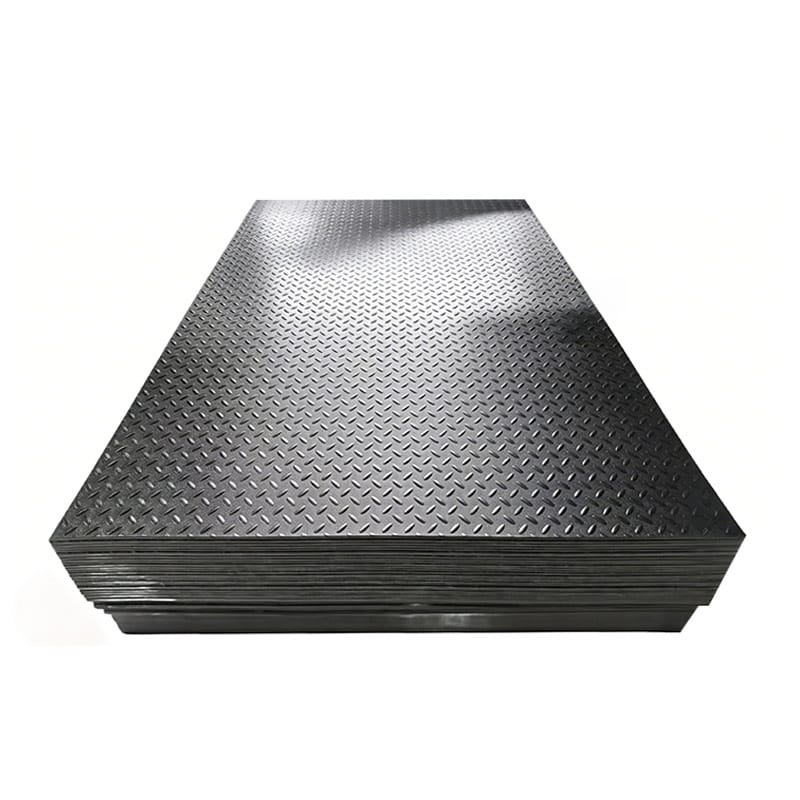
Flexible ground-protection panels are not automatically engineered bridges over unsupported openings.
On the route sketch, shade every excavation and uncertain support area rather than drawing one continuous line of mats over them. Identify the separate crossing design, if any, and who approves it. The supported approach can still use an appropriate surface-protection system. Keep the crossing approval distinct so its absence cannot be concealed by an otherwise complete panel delivery.
Start by separating the observed symptom from the proposed product change. Record what happens, where it happens and the operating condition in which it matters. That makes the review of temporary access mats specific enough to support a decision, rather than a comparison of broad product descriptions.
Authorized duty
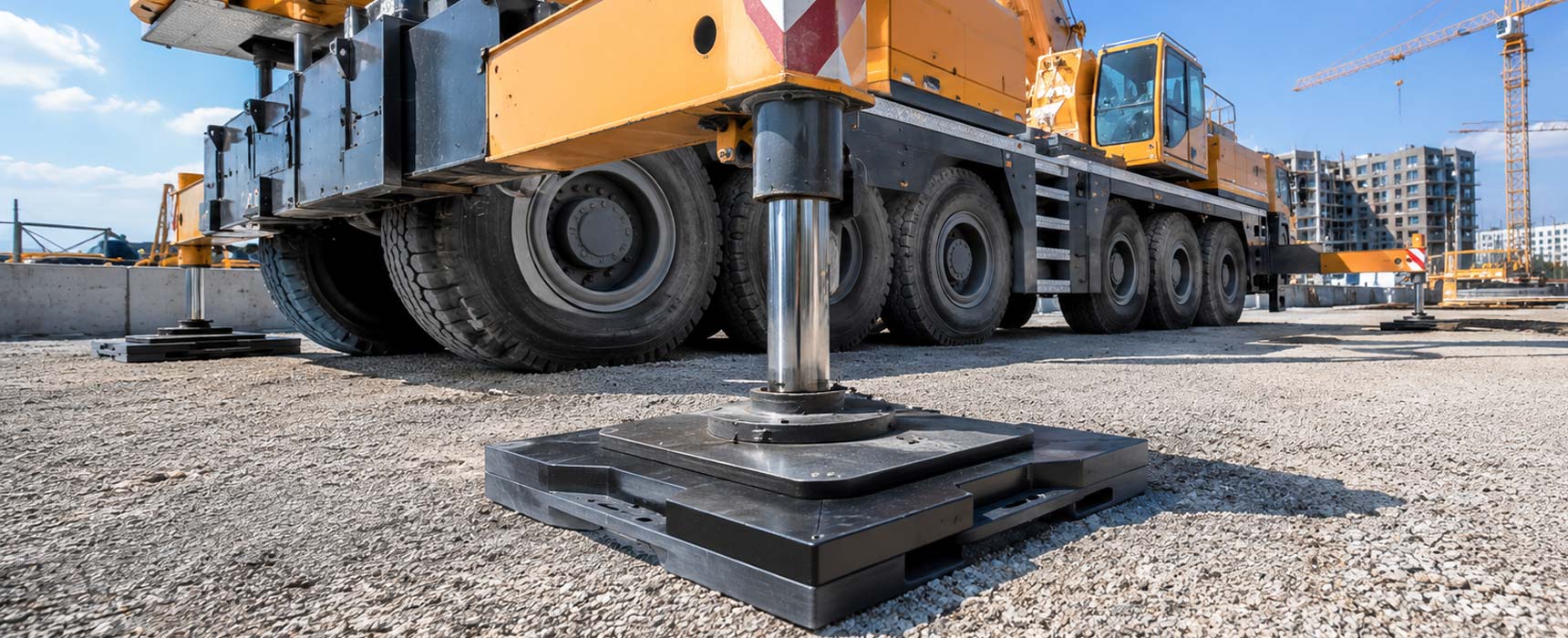
For temporary access mats, describe whether the intended use is vehicle transit, a temporary standing area or equipment operation. These are different load cases. A route selected for moving vehicles should not automatically become a crane working platform. Keep the approved application and equipment list with the deployment record so later users understand the limits of the reviewed arrangement.
The inputs that define temporary access mats
Record trench width, edge setback, vehicle path, verified support conditions. Keep the units, revision and source of each input with the inquiry. Distinguish a measured value from an estimate, and identify the person responsible for resolving any critical unknown. A supplier can review an explicit assumption; an undocumented assumption is much harder to detect.
Ground support
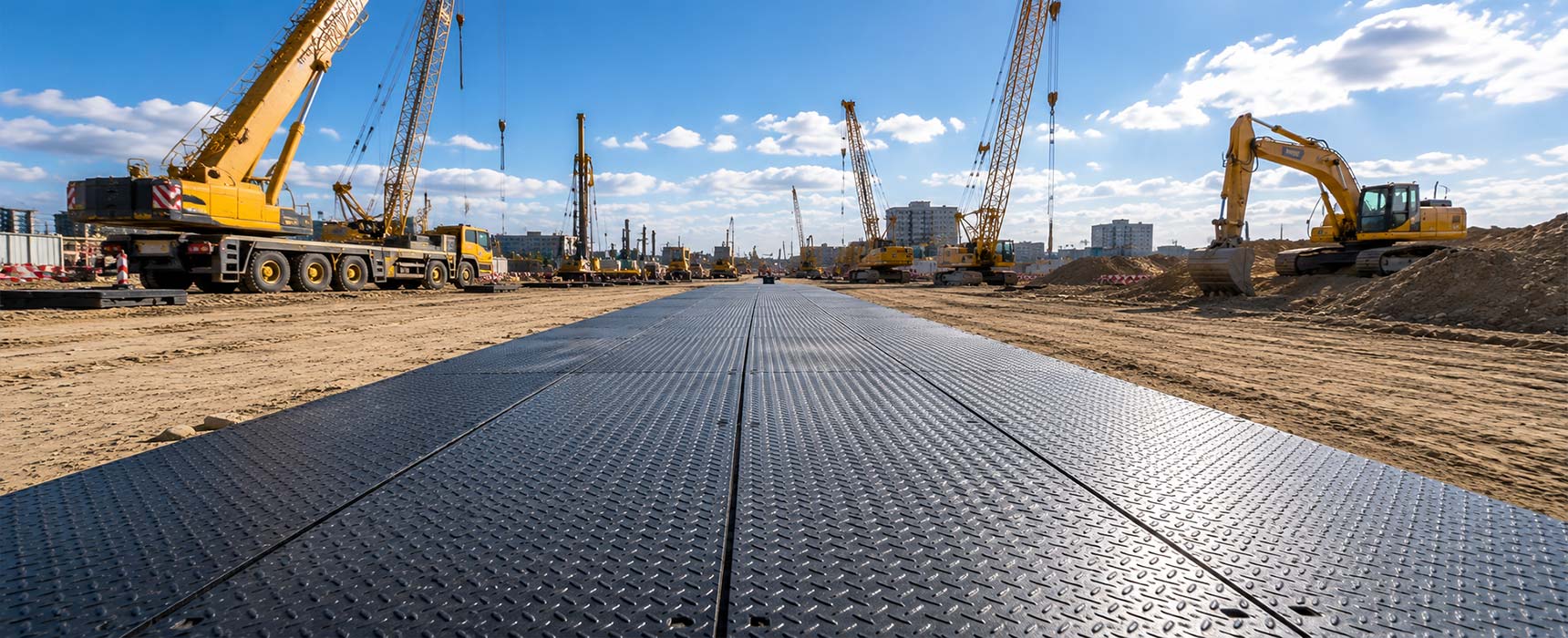
The condition beneath temporary access mats is part of the system. Firmness, drainage, local voids and support continuity cannot be inferred from the panel material alone. Have the responsible site team assess the route and required preparation. Matting may help protect a surface, but it does not turn unknown or unsuitable ground into a verified supporting platform.
Design the complete interface: temporary access mats
Keep access away from unsupported gaps unless a separate designed crossing system is approved.
Review temporary access mats in the installed arrangement. Show adjoining components, the direction of movement or load, and the space needed for installation and later removal. If the interface changes, update the released drawing and acceptance basis together so the quote and the technical approval still refer to the same requirement.
Edge conditions
Inspect the perimeter of temporary access mats for unsupported corners, exposed edges and vehicle paths too close to the boundary. Local weakness may control the route even if most panels sit on good support. Document edge restrictions and maintain them through changes in the worksite. When ground or excavation conditions change, review the adjacent route rather than assuming the old boundary remains valid.
Compare the available procurement routes
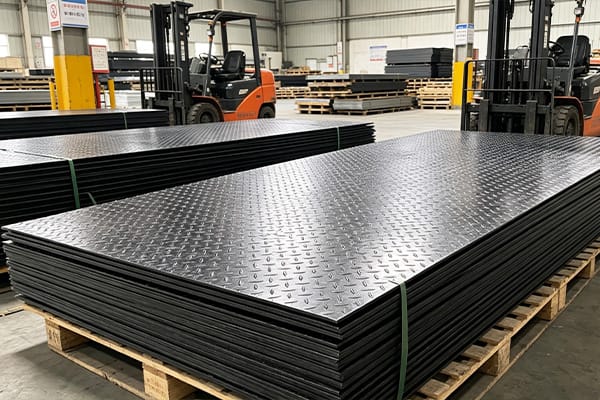
Use the comparison below to decide what must happen before purchasing temporary access mats. The routes describe different scopes of work; they are not interchangeable offers. In this application, the controlling issue is utility trench crossings and unsupported gaps. An apparently cheaper route may leave that issue unresolved.
| Route | When it merits review | Evidence needed before release |
|---|---|---|
| Supported access route | Potentially suitable for an approved transit duty on assessed ground. | Confirm ground, vehicle configuration, connections and traffic controls. |
| Revised route or ground preparation | Appropriate when weak areas, tight turns or surface transitions govern. | Resolve site constraints before comparing panel offers. |
| Separately engineered support system | Required for duties outside a panel system’s documented conditions. | Obtain the responsible design and operational approval. |
Handling task
Before deploying temporary access mats, verify actual panel mass, usable grips, carry distances and the handling equipment available. A lighter alternative to steel can still exceed what a particular crew can handle safely. Assess the task and trial the proposed method under controlled conditions. Include retrieval and cleaning in the handling plan, because returning dirty panels can be harder than laying clean ones.
Qualify a representative sample or trial: temporary access mats
Walk down the proposed route with the responsible site team before laying panels.
For temporary access mats, write the trial objective before collecting results. Record the item or sample identity, drawing revision, conditions, observations and acceptance decision. Keep a photograph or measurement record where it helps explain the outcome. If the trial covers only one part of the duty, retain the remaining questions instead of treating a limited result as full approval.
Underground features
Locate utilities, covers, tanks and other buried features around temporary access mats through verified site information. Surface panels do not prove the capacity of an underground structure or bridge a hidden void. Keep access for required inspections and mark restrictions clearly. Uncertain critical ground conditions need resolution by the responsible site owner before the route is opened.
Recognize the limits and stop conditions
A hidden void or unsupported panel edge closes the route pending assessment.
Define who can suspend approval and who can authorize a correction. Preserve the failed item, relevant measurements and operating details where practical. Changing the product and the surrounding process simultaneously can make the cause difficult to establish. The next action should resolve the controlling uncertainty rather than merely repeat the purchase with a larger nominal size.
Unsupported gaps
Use temporary access mats only within the approved support conditions. A ground-protection panel should not be assumed to bridge a trench, culvert or opening simply because its width spans the gap. Where a crossing is needed, obtain a separately designed and approved system. Keep that decision distinct from purchasing surface-protection panels for the supported portions of the route.
Build a complete quotation package
Provide a route drawing showing excavations and identify any separately engineered crossings.
The quotation package for temporary access mats should identify the requested quantity, delivery destination and purchased condition, together with the relevant drawing or layout. Ask suppliers to list exclusions and deviations clearly. Compare like scope: material identity, functional dimensions, inspection, packing and any first-article work should be visible beside the unit price.
Capacity evidence
Any load claim offered for temporary access mats needs its test or design basis. Ask about support conditions, loading footprint, temperature, loading duration and the acceptance criterion. A headline tonnage from an unlike setup is not a direct route authorization. Have the responsible technical owner compare the evidence with the actual planned duty and retain the assumptions with the approval.
Route handover
A handover for temporary access mats should identify the approved layout, authorized equipment, inspection owner and change process. Include restrictions that matter to drivers and subcontractors in clear practical language. A different machine or new working position is a change requiring review, even when the same panels remain in place. Keep the current plan available at dispatch and on site.
Discuss the reviewed requirement with Paowo
Paowo lists HDPE Temporary Road Mats among its current products and describes drawing- and sample-based work through its OEM and ODM custom service. For the application discussed here, send the specific interface and duty information before asking for a final recommendation.
You can also review the site’s related application area and the existing article Ground Protection Mats vs Bog Mats: Which Temporary Access System Fits the Site? for adjoining considerations. Keep the scope of this inquiry centered on utility trench crossings and unsupported gaps.
For authoritative context, see HSE guidance on creating a safe workplace. HSE workplace-transport guidance includes route planning and traffic management. It provides context for the site plan; it does not certify a particular mat, connector or load capacity.
Request a review of temporary access mats with your drawings, operating conditions, required outcome and delivery needs. Ask Paowo to identify the offered grade and specification, state unresolved assumptions and separate sample work from production scope. Use the inquiry form after the FAQ to share the requirement and request a quotation.
Frequently Asked Questions
What is the first issue to review for temporary access mats?
Flexible ground-protection panels are not automatically engineered bridges over unsupported openings. Start with the actual duty and the relevant interfaces rather than the product name alone.
What information is needed to specify temporary access mats?
Provide trench width, edge setback, vehicle path, verified support conditions. Include a drawing or layout showing the complete interface and identify critical unknowns before release.
How should a trial of temporary access mats be assessed?
Walk down the proposed route with the responsible site team before laying panels. Keep sample identity, representative conditions and the agreed acceptance decision in the trial record.
When should approval of temporary access mats be held?
A hidden void or unsupported panel edge closes the route pending assessment. Resolve the cause and obtain the responsible technical approval before release or continued use.
What should I send Paowo when requesting temporary access mats?
Provide a route drawing showing excavations and identify any separately engineered crossings. Add the quantity, destination, current drawing revision and required documentation so offers can be compared on equivalent scope.