Mục lục
Kiểm tra Outrigger Pad trở thành một chủ đề kỹ thuật hữu ích khi nó được gắn với một vấn đề vận hành thực sự.Người mua hiếm khi cần một thực tế vật liệu bị cô lập; họ cần một cách phòng thủ để so sánh báo giá, xem xét bản vẽ, lập kế hoạch cài đặt và đồng ý kiểm tra.Hướng dẫn này giải thích cách cắt, vết nứt, biến dạng, mảnh vụn nhúng, nhận dạng, xử lý, tình trạng bề mặt, lịch sử lưu trữ và thiết lập thiết bị thông báo quyết định trước khi sử dụng.
Một quyết định kiểm tra outrigger pad khả thi bắt đầu với ứng dụng, không phải nhãn danh mục. một phương pháp phòng thủ là ghi lại nhiệm vụ, xác định các điều kiện kiểm soát và yêu cầu nhà cung cấp xác nhận những gì được bao gồm trong giải pháp được đề xuất. quá trình đó làm giảm sự mơ hồ mà không giả vờ rằng một quy tắc phù hợp với mọi máy hoặc trang web.
Hướng dẫn dưới đây là dành cho việc mua sắm và lập kế hoạch kỹ thuật.Nó không thay thế hướng dẫn thiết bị, đánh giá trang web có thẩm quyền hoặc đánh giá kỹ thuật cụ thể của dự án.Trong trường hợp an toàn hoặc chấp nhận phụ thuộc vào kiểm tra pad outrigger, sử dụng đầu vào được ghi lại và có được sự chấp thuận của người chịu trách nhiệm.
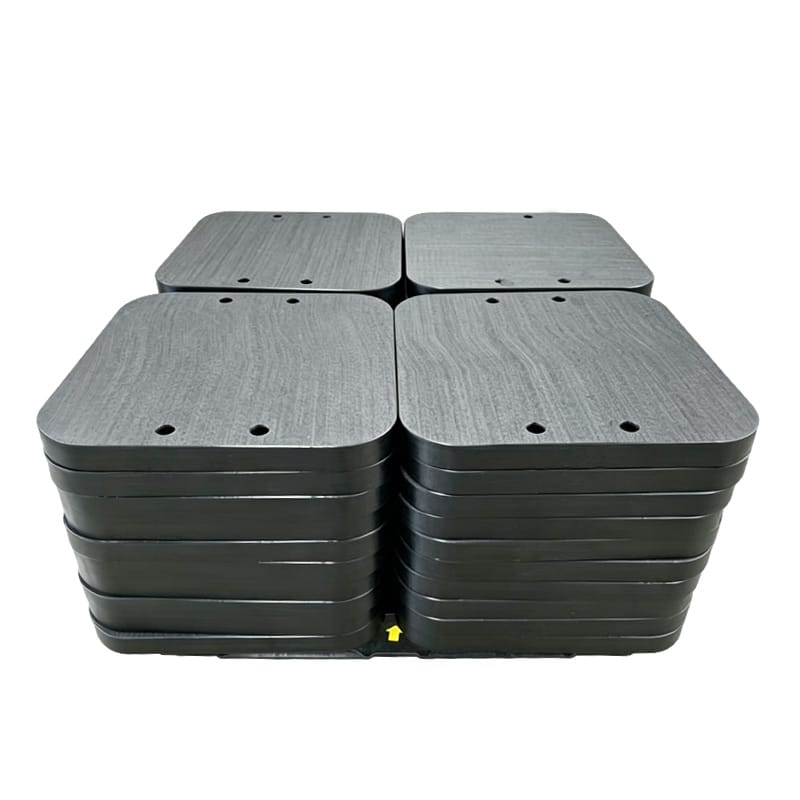
Kiểm tra Outrigger Pad có nghĩa là gì trong một dự án thực t
Kiểm tra Outrigger Pad được hiểu rõ nhất là một tập hợp các yêu cầu ứng dụng được kết nối với phản ứng outrigger tối đa, áp lực chịu lực mặt đất cho phép, diện tích pad, tình trạng mặt đất, độ cứng của pad, hướng dẫn thiết bị và trạng thái kiểm tra. cụm từ không nên được coi là một đặc điểm kỹ thuật hoàn chỉnh của chính nó.Hai yêu cầu sử dụng cùng một từ có thể yêu cầu kích thước, cấp, bố cục hoặc phương pháp kiểm tra khác nhau vì điều kiện dịch vụ của chúng khác nhau.
Đối với các nhóm tìm nguồn cung ứng, ý nghĩa thực tế của việc kiểm tra outrigger pad là một bản ghi quyết định được chia sẻ.Nó nên cho thấy những thông tin nào đã được cung cấp, những giả định nào đã được sử dụng, tính năng nào kiểm soát hiệu suất và những gì sẽ được kiểm tra trước khi giao hàng hoặc sử dụng.Điều này làm cho các cuộc thảo luận kỹ thuật dễ dàng hơn và ngăn chặn các mô tả danh nghĩa trở thành đảm bảo ngẫu nhiên.
Tại sao Quyết định này xứng đáng có cơ sở bằng văn bản
Một cơ sở bằng văn bản cho kiểm tra pad outrigger bảo vệ cả mua và hoạt động. mua hàng có thể so sánh báo giá trên cùng một phạm vi, trong khi kỹ thuật có thể xem liệu loại trừ, dung sai, và trách nhiệm trang web là rõ ràng. bảo trì cũng đạt được một đường cơ sở cho kiểm tra trong tương lai chứ không phải dựa vào bộ nhớ sau khi thành phần đã được trong dịch v.
Điều này không có nghĩa là tạo ra các thủ tục giấy tờ không cần thiết.Một hồ sơ kiểm tra outrigger pad ngắn gọn nên tập trung vào một vài điều kiện có thể thay đổi kết quả.Nếu một giá trị chỉ là một ước tính, hãy gắn nhãn nó là ước tính.Nếu một kích thước là quan trọng, xác định mốc và phương pháp đo lường.Nếu trang web phải xác minh mặt đất, căn chỉnh hoặc hỗ trợ, hãy gán trách nhiệm đó một cách rõ ràng.
Các yếu tố chính để xem xét
Tài liệu các điều kiện kiểm soát trước khi phê duyệt kiểm tra pad outrigger.Chúng được kết nối, do đó, thay đổi một có thể yêu cầu một cái nhìn thứ hai tại những người khác:
- Phản ứng outrigger tối đa: mô tả tình trạng thực tế và tránh dựa vào tên sản phẩm rộng.
- Áp lực mặt đất cho phép: mô tả tình trạng thực tế và tránh dựa vào tên sản phẩm rộng.
- Vùng tiếp xúc hiệu quả: mô tả tình trạng thực tế và tránh dựa vào tên sản phẩm rộng.
- Điều kiện mặt đất: mô tả tình trạng thực tế và tránh dựa vào tên sản phẩm rộng.
- Điều kiện và xử lý pad: mô tả tình trạng thực tế và tránh dựa vào tên sản phẩm rộng.
Những yếu tố này biến kiểm tra pad outrigger từ một cụm từ tìm kiếm thành một đặc điểm kỹ thuật có thể hành động. một nhà cung cấp có thể trả lời chính xác hơn khi RFQ mô tả nhiệm vụ và giao diện thay vì yêu cầu một đề xuất chung.
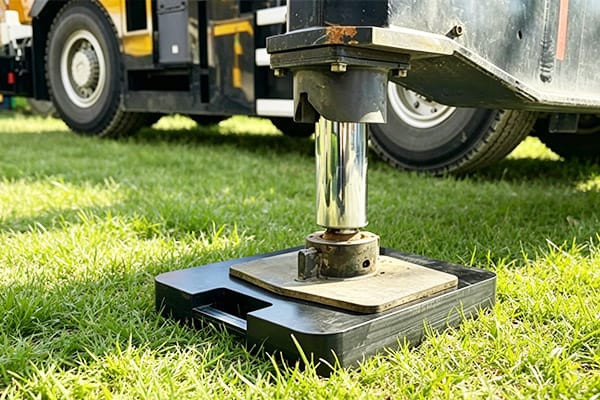
Trọng tâm kỹ thuật cho kiểm tra Outrigger Pad
Trọng tâm kỹ thuật của kiểm tra pad outrigger là làm thế nào cắt, vết nứt, biến dạng, mảnh vụn nhúng, nhận dạng, xử lý, tình trạng bề mặt, lịch sử lưu trữ, và thiết lập thiết bị thông báo một quyết định trước khi sử dụng. phá vỡ câu hỏi rộng đó vào các mặt hàng có thể xem xét để một kỹ sư, người mua, người cài đặt, và nhà cung cấp có thể thảo luận về các điều kiện tương t.
- Phản ứng outrigger tối đa: Kết nối điều kiện với một bản vẽ, kiểm tra trang web, hoặc điểm chấp nhận. lưu ý hàm ý cho việc lựa chọn và xác minh sản phẩm.
- Áp lực mặt đất cho phép: Ghi lại trường hợp bình thường và trường hợp giới hạn đáng tin cậy. lưu ý ý nghĩa cho việc lựa chọn và xác minh sản phẩm.
- Khu vực liên hệ hiệu quả: Nêu rõ điều gì sẽ kích hoạt đánh giá kỹ thuật mới.Lưu ý hàm ý cho việc lựa chọn và xác minh sản phẩm.
- Điều kiện mặt đất: Tách thông tin đã được xác minh khỏi một giả định làm việc. lưu ý hàm ý cho việc lựa chọn và xác minh sản phẩm.
- Điều kiện và xử lý pad: Kiểm tra điều kiện tại giao diện, không chỉ trên sản phẩm bị cô lập. lưu ý hàm ý cho việc lựa chọn và xác minh sản phẩm.
Đừng cho rằng một kết quả thuận lợi cho một trong những mục này giải quyết toàn bộ quyết định kiểm tra pad outrigger.Giao diện thường kiểm soát kết quả: một vật liệu phù hợp vẫn có thể hoạt động kém với sự hỗ trợ không đầy đủ, một tính toán âm thanh có thể thất bại với một đầu vào trang web không chính xác, và một phần chính xác có thể bị từ chối nếu cơ sở đo lường không bao giờ được đồng ý.
Phương pháp đánh giá từng bước
Thực hiện theo một phương pháp có thể theo dõi để kiểm tra miếng đệm chân chống để các đầu vào quan trọng không biến mất giữa yêu cầu đầu tiên và đơn đặt hàng cuối cùng.
- Có được phản ứng tối đa: ghi lại phát hiện, nguồn thông tin và bất kỳ câu hỏi mở nào vẫn cần được phê duyệt.
- Đánh giá cơ sở hỗ trợ: ghi lại phát hiện, nguồn thông tin và bất kỳ câu hỏi mở nào vẫn cần được phê duyệt.
- Tính toán khu vực cần thiết: ghi lại phát hiện, nguồn thông tin và bất kỳ câu hỏi mở nào vẫn cần phê duyệt.
- Kiểm tra độ cứng và hình dạng của miếng đệm: ghi lại phát hiện, nguồn thông tin và bất kỳ câu hỏi mở nào vẫn cần được phê duyệt.
- Vị trí cấp kế hoạch: ghi lại phát hiện, nguồn thông tin và bất kỳ câu hỏi mở nào vẫn cần phê duyệt.
- Kiểm tra trước và sau khi sử dụng: ghi lại phát hiện, nguồn thông tin và bất kỳ câu hỏi mở nào vẫn cần phê duyệt.
Vào cuối trình tự này, tóm tắt phương pháp kiểm tra outrigger pad đã chọn bằng ngôn ngữ đơn giản. bao gồm các giả định và giới hạn bên cạnh quyết định thay vì ẩn chúng trong chuỗi email. nếu điều kiện thay đổi, hãy sửa lại bản ghi trước khi sản xuất hoặc cài đặt.
Bảng Quyết định cho Người mua và Kỹ sư
Bảng so sánh này cung cấp một cách thực tế để xem xét kiểm tra pad outrigger trong các cuộc thảo luận của nhà cung cấp.Nó là một trợ giúp quyết định, không phải là một thay thế cho tính toán dự án hoặc yêu cầu thiết b.
| Khu vực quyết định | Những gì cần kiểm chứng | Tại sao nó quan trọng |
|---|---|---|
| Ứng dụng | Nhiệm vụ, môi trường và giao diện | Định nghĩa vấn đề thực s |
| Đầu vào | Giá trị, đơn vị và nguồn thông tin | Làm cho tính toán có thể theo dõi được |
| Sản phẩm | Cấp, kích thước và cấu hình | Giữ cho báo giá có thể so sánh được |
| Xác minh | Phương pháp kiểm tra và điểm chấp nhận | Tránh sự chấp thuận chủ quan |
| Vòng đời | Lắp đặt, vệ sinh và thay thế | Hỗ trợ sử dụng an toàn, theo kế hoạch |
Một so sánh kiểm tra outrigger pad hữu ích nên giải thích lý do tại sao một tùy chọn phù hợp với nhiệm vụ đã nêu. tránh xếp hạng dựa trên một tài sản duy nhất khi ứng dụng phụ thuộc vào một số điều kiện tương tác.
Một ví dụ về lập kế hoạch thực tế
Đối với một ví dụ quy hoạch, khu vực mang yêu cầu bằng phản ứng outrigger tối đa chia cho áp lực chịu lực mặt đất cho phép.Một đánh giá kiểm tra pad outrigger phải sử dụng các đơn vị tương thích và một phản ứng được cung cấp hoặc phê duyệt cho thiết bị và cấu hình. khu vực kết quả là một đầu vào tính toán tối thiểu, không phải toàn bộ lựa chọn.
Sau khi tính toán khu vực, kiểm tra hình dạng, độ cứng, tiếp xúc đầy đủ, biến đổi mặt đất, độ dốc, mối nguy hiểm dưới lòng đất, vị trí, và hướng dẫn thiết bị. điều này giữ cho kiểm tra pad outrigger từ được giảm xuống một kết quả số học duy nhất.
Những gì để đặt trong RFQ
Tài liệu mua sắm để kiểm tra miếng đệm chân chống nên cung cấp cho nhà cung cấp đủ thông tin để xác nhận phạm vi mà không cần phỏng đoán. đính kèm bản vẽ ở định dạng được kiểm soát và xác định bản sửa đổi. sử dụng các đơn vị nhất quán; các Điều kiện mặt đất OSHA cung cấp tài liệu tham khảo để trình bày SI rõ ràng.
- Nêu rõ chức năng dự định và lý do kiểm tra tấm đệm chân chống đang được xem xét.
- Liệt kê các điều kiện hoạt động, giao diện, tải trọng, tốc độ, nhiệt độ, độ ẩm, hóa chất hoặc thông tin mặt đất nếu có.
- Cung cấp kích thước, số lượng, sửa đổi bản vẽ và các tính năng quan trọng được đánh dấu rõ ràng.
- Xác định hồ sơ kiểm tra, chứng chỉ, đánh dấu, đóng gói và ngôn ngữ tài liệu thực sự được yêu cầu.
- Yêu cầu nhà cung cấp xác định các giả định, loại trừ và thông tin vẫn cần thiết trước khi phê duyệt.
Đối với các kiểm tra liên quan đến tài liệu, sử dụng các tài liệu tham khảo được công nhận thay vì các tuyên bố web không được hỗ trợ.Tùy thuộc vào chủ đề, các điểm khởi đầu hữu ích bao gồm Hoạt động cẩu OSHA, An toàn cần cẩu NIOSH, và Hướng dẫn NIST SI. Tiêu chuẩn dự án hiện hành và hướng dẫn thiết bị vẫn mang tính kiểm soát.
Lập kế hoạch lắp đặt, sử dụng và kiểm tra
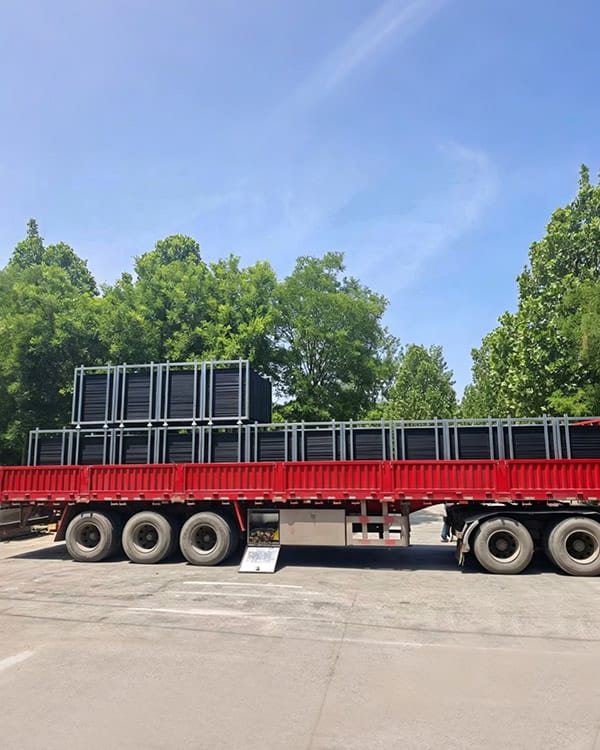
Kế hoạch kiểm tra thực tế outrigger pad tiếp tục sau khi một đơn đặt hàng được ban hành.Xác nhận làm thế nào sản phẩm sẽ được dỡ xuống, lưu trữ, xác định, và di chuyển đến khu vực làm việc.Bảo vệ bề mặt tham chiếu và nhãn.Nơi các thành phần được cung cấp trong bộ phù hợp hoặc bảng, bảo quản trình tự cài đặt.
Trước khi phát hành vào khu vực làm việc, so sánh mục được giao với hồ sơ kiểm tra outrigger pad đã được phê duyệt. kiểm tra thiệt hại có thể nhìn thấy, kích thước hoặc nhận dạng được chỉ định trong kế hoạch kiểm tra, và tình trạng của các hỗ trợ hoặc các bộ phận giao phối. không buộc một mục vào một lắp ráp sai lệch hoặc sử dụng một sản phẩm hỗ trợ trên một bề mặt chưa được xác minh chỉ đơn giản vì kích thước danh nghĩa xuất hiện chính xác.
Khoảng thời gian kiểm tra để kiểm tra outrigger pad nên phản ánh nhiệm vụ và hậu quả, không phải là một thời kỳ phổ quát tùy ý. thiết lập một đường cơ sở, xác định các địa điểm tải cao hoặc mặc cao, và ghi lại những thay đổi một cách nhất quán.Các Hướng dẫn đại chúng NIST là một tài liệu tham khảo hỗ trợ hữu ích cho bối cảnh đo lường hoặc tiêu chuẩn có kỷ luật.
Những Sai Lầm Thường Gặp Cần Tránh
Theo dõi những lỗi này trong các quyết định kiểm tra tấm đệm chân chống:
- Sử dụng tổng trọng lượng máy làm phản ứng: ghi lại đầu vào còn thiếu và giải quyết trước khi phê duyệt.
- Giả sử tất cả mặt đất đều có cùng dung lượng: ghi lại thông tin đầu vào còn thiếu và giải quyết trước khi phê duyệt.
- Đặt một pad trên một khoảng trống: tài liệu đầu vào bị thiếu và giải quyết nó trước khi phê duyệt.
- Xếp chồng mà không có kế hoạch được thiết kế: ghi lại đầu vào còn thiếu và giải quyết nó trước khi phê duyệt.
- Tiếp tục sử dụng một pad bị hỏng: tài liệu đầu vào bị thiếu và giải quyết nó trước khi phê duyệt.
Các vấn đề kiểm tra pad outrigger phổ biến bắt đầu như những khoảng trống thông tin.Một đánh giá kỹ thuật ngắn trước khi sản xuất nói chung là dễ dàng hơn so với thay đổi một phần hoàn thành, xây dựng lại một tuyến đường, hoặc điều tra mặc không giải thích được sau khi cài đặt.
Câu hỏi thường gặp
Thông tin nào là cần thiết để chỉ định kiểm tra pad outrigger?
Bắt đầu với chức năng, điều kiện hoạt động, giao diện, kích thước, số lượng, và hậu quả của sự thất bại. một yêu cầu kiểm tra pad outrigger hữu ích cũng xác định kiểm tra chấp nhận quan trọng và nguồn của bất kỳ dữ liệu tải hoặc môi trường.
Kiểm tra pad outrigger có thể được lựa chọn từ một kích thước tiêu chuẩn một mình?
Kích thước tiêu chuẩn có thể đơn giản hóa việc tìm nguồn cung ứng, nhưng chỉ riêng kích thước không xác nhận sự phù hợp. xem xét nhiệm vụ, hỗ trợ, môi trường, dung sai và cài đặt trước khi phê duyệt kiểm tra pad outrigger.
Thử nghiệm hoặc tiêu chuẩn nào áp dụng cho việc kiểm tra tấm đệm chân chống?
Không có câu trả lời phổ quát duy nhất cho mọi ứng dụng. sử dụng đặc điểm kỹ thuật của dự án, hướng dẫn thiết bị, quy định áp dụng, và vật liệu được công nhận hoặc tiêu chuẩn đo lường. nêu rõ tài liệu chính xác và phiên bản khi kiểm tra outrigger pad phụ thuộc vào một yêu cầu chính thức.
Làm thế nào các nhà cung cấp nên báo giá kiểm tra pad outrigger?
Yêu cầu mọi nhà cung cấp báo giá dựa trên cùng một bản sửa đổi RFQ và xác định các giả định, loại trừ, mô tả vật liệu, kích thước, kiểm tra, đóng gói và cơ sở thời gian thực hiện.Điều này làm cho các đề xuất yêu cầu dễ so sánh hơn mà không chỉ dựa vào giá.
Khi nào nên xem xét lại việc kiểm tra miếng đệm chân chống?
Xem xét quyết định khi tải trọng, môi trường, hình học, thiết bị, phương pháp lắp đặt hoặc yêu cầu chấp nhận thay đổi. đồng thời xem lại yêu cầu khi kiểm tra cho thấy các vấn đề hao mòn, chuyển động, nứt, biến dạng hoặc hỗ trợ bất thường.
Danh sách kiểm tra mua sắm cuối cùng
Trước khi phê duyệt yêu cầu, xác nhận rằng đơn đăng ký và cơ sở chấp nhận đều đã đầy đủ.
- Mục đích của yêu cầu được nêu trong một câu rõ ràng.
- Việc kiểm soát tải, môi trường, kích thước và giao diện được ghi lại.
- Các giả định và trách nhiệm xác minh địa điểm đều được hiển thị.
- Sản phẩm, bản sửa đổi bản vẽ, số lượng và các tính năng quan trọng đã được xác nhận.
- Các kỳ vọng về kiểm tra, đánh dấu, đóng gói, xử lý và thay thế được xác định.
- Các bên liên quan nội bộ và nhà cung cấp đang làm việc từ cùng một bản sửa đổi.
Paowo cung cấp các sản phẩm nhựa kỹ thuật cho các dự án công nghiệp, nhưng một khuyến nghị hữu ích phụ thuộc vào thông tin ứng dụng chính xác.Xem xét các liên quan trang sản phẩm, cái hướng dẫn kỹ thuật liên quan, cái tài nguyên ứng dụng, và cái bài viết hỗ tr. Sau đó sử dụng trang liên h để gửi bản vẽ và điều kiện hoạt động cho một cuộc thảo luận cụ thể về dự án về yêu cầu.