Tabla de contenidos
La inspección de la almohadilla del estabilizador se convierte en un tema de ingeniería útil cuando se vincula a un problema operativo real. Los compradores rara vez necesitan un hecho material aislado; necesitan una forma defendible de comparar cotizaciones, revisar dibujos, planificar la instalación y acordar la inspección. Esta guía explica cómo los cortes, grietas, deformaciones, desechos incrustados, identificación, manijas, condición de la superficie, historial de almacenamiento y configuración del equipo informan una decisión previa al uso.
Una decisión viable de inspección de la almohadilla estabilizadora comienza con la aplicación, no con una etiqueta de catálogo. Un método defendible es registrar el deber, identificar las condiciones de control y pedirle al proveedor que confirme lo que se incluye en la solución propuesta. Ese proceso reduce la ambigüedad sin pretender que una regla se adapta a cada máquina o sitio.
La siguiente guía está destinada a la planificación técnica y de adquisiciones. No reemplaza las instrucciones del equipo, una evaluación competente del sitio o una revisión de ingeniería específica del proyecto. Cuando la seguridad o la aceptación dependan de la inspección de la plataforma del estabilizador, utilice datos documentados y obtenga la aprobación de la persona responsable.
Qué significa la inspección de la almohadilla estabilizadora en un proyecto real
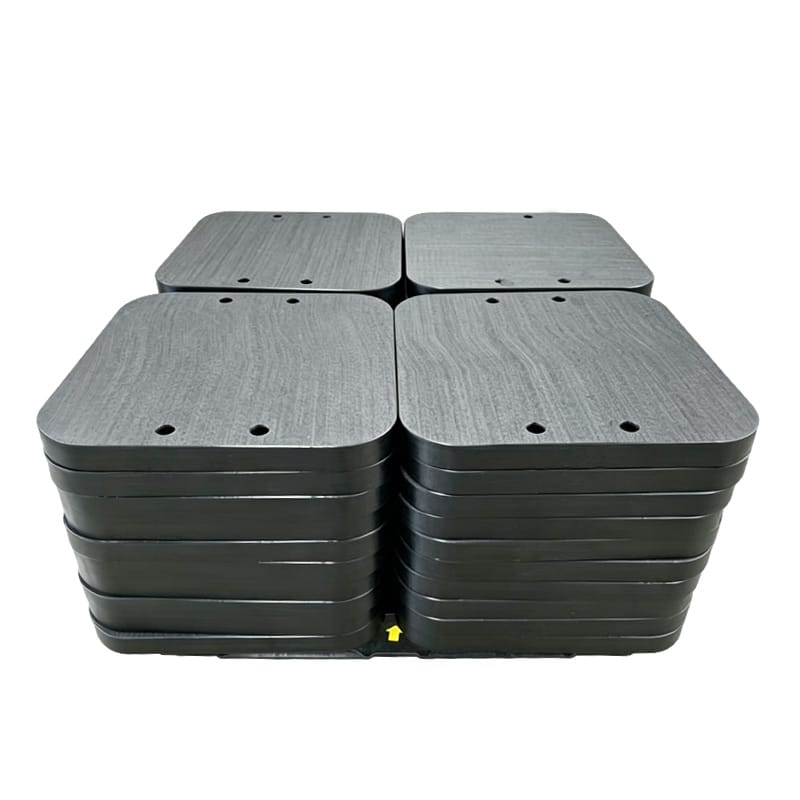
La inspección de las almohadillas del estabilizador se entiende mejor como un conjunto de requisitos de aplicación relacionados con la reacción máxima del estabilizador, la presión permitida del soporte del suelo, el área de la almohadilla, la condición del suelo, la rigidez de la almohadilla, las instrucciones del equipo y el estado de inspección. La frase no debe tratarse como una especificación completa por sí sola. Dos solicitudes que utilizan las mismas palabras pueden requerir diferentes dimensiones, grados, diseños o métodos de inspección porque sus condiciones de servicio son diferentes.
Para los equipos de abastecimiento, el significado práctico de la inspección de la plataforma del estabilizador es un registro de decisiones compartido. Debe mostrar qué información se proporcionó, qué suposiciones se utilizaron, qué características controlan el rendimiento y qué se verificará antes del envío o uso. Esto facilita las discusiones técnicas y evita que las descripciones nominales se conviertan en garantías accidentales.
Por qué esta Decisión merece una base escrita
Una base escrita para la inspección de las almohadillas estabilizadoras protege tanto las compras como las operaciones. Las compras pueden comparar cotizaciones en el mismo ámbito, mientras que la ingeniería puede ver si las exclusiones, tolerancias y responsabilidades del sitio son claras. El mantenimiento también obtiene una base para futuras inspecciones en lugar de depender de la memoria después de que el componente haya estado en servicio.
Esto no significa crear papeleo innecesario. Un registro conciso de inspección de la plataforma estabilizadora debe centrarse en las pocas condiciones que pueden cambiar el resultado. Si un valor es sólo una estimación, etiquételo como estimación. Si una dimensión es crítica, identifique el dato y el método de medición. Si el sitio debe verificar el terreno, la alineación o el soporte, asigne esa responsabilidad explícitamente.
Factores clave a revisar
Documente estas condiciones de control antes de aprobar la inspección de la plataforma del estabilizador. Están conectados, por lo que cambiar uno puede requerir una segunda mirada a los demás:
- Reacción máxima del estabilizador: describa la condición real y evite confiar en un nombre amplio de producto.
- Presión de suelo permitida: describa el estado real y evite confiar en un nombre de producto amplio.
- Área de contacto efectiva: describa la condición real y evite confiar en un nombre de producto amplio.
- Condición del suelo: describa la condición real y evite confiar en un nombre amplio de producto.
- Estado y manipulación de la almohadilla: describa el estado real y evite confiar en un nombre amplio del producto.
Estos factores convierten la inspección de la plataforma estabilizadora de una frase de búsqueda en una especificación procesable. Un proveedor puede responder con mayor precisión cuando la solicitud de cotización describe el deber y las interfaces en lugar de solicitar una recomendación genérica.
Enfoque técnico para la inspección de almohadillas estabilizadoras
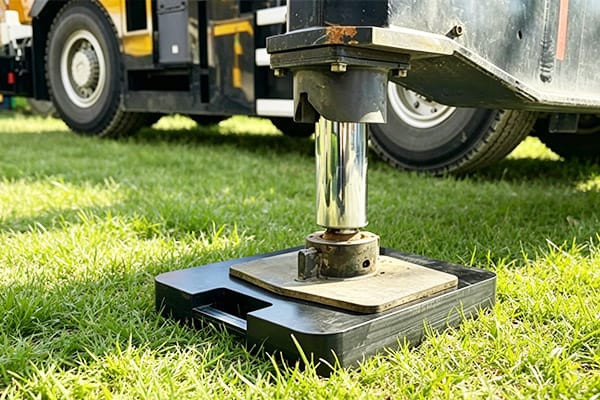
El enfoque técnico de la inspección de las almohadillas estabilizadoras es cómo los cortes, grietas, deformaciones, desechos incrustados, identificación, manijas, condición de la superficie, historial de almacenamiento y configuración del equipo informan una decisión previa al uso. Divida esa pregunta amplia en elementos revisables para que un ingeniero, comprador, instalador y proveedor pueda discutir las mismas condiciones.
- Reacción máxima del estabilizador: conecte la condición a un dibujo, verificación del sitio o punto de aceptación. Tenga en cuenta las implicaciones para la selección y verificación del producto.
- Presión de suelo permitida: registre el caso normal y el caso límite creíble. Tenga en cuenta las implicaciones para la selección y verificación del producto.
- Área de contacto efectiva: indique qué desencadenaría una nueva revisión técnica. Tenga en cuenta las implicaciones para la selección y verificación de productos.
- Condición del terreno: separe la información verificada de una suposición de trabajo. Tenga en cuenta las implicaciones para la selección y verificación de productos.
- Estado y manipulación de la almohadilla: verifique el estado en la interfaz, no solo en el producto aislado. Tenga en cuenta las implicaciones para la selección y verificación del producto.
No asuma que un resultado favorable para uno de estos elementos resuelve toda la decisión de inspección de la plataforma del estabilizador. Las interfaces a menudo controlan el resultado: un material adecuado aún puede funcionar mal con un soporte inadecuado, un cálculo sólido puede fallar con una entrada incorrecta del sitio y una parte precisa puede rechazarse si nunca se acuerda la base de medición.
Un método de evaluación paso a paso
Siga un método rastreable para la inspección de la plataforma del estabilizador para que las entradas importantes no desaparezcan entre la primera consulta y la orden de compra final.
- Obtenga la máxima reacción: registre el hallazgo, la fuente de la información y cualquier pregunta abierta que aún necesite aprobación.
- Evaluar el terreno de apoyo: registrar el hallazgo, la fuente de la información y cualquier pregunta abierta que aún necesite aprobación.
- Calcule el área requerida: registre el hallazgo, la fuente de la información y cualquier pregunta abierta que aún necesite aprobación.
- Verifique la rigidez y la forma de la almohadilla: registre el hallazgo, la fuente de la información y cualquier pregunta abierta que aún necesite aprobación.
- Colocación a nivel de plan: registre el hallazgo, la fuente de la información y cualquier pregunta abierta que aún necesite aprobación.
- Inspeccionar antes y después del uso: registre el hallazgo, la fuente de la información y cualquier pregunta abierta que aún necesite aprobación.
Al final de esta secuencia, resuma el enfoque de inspección de la plataforma estabilizadora seleccionado en un lenguaje sencillo. Incluya suposiciones y límites además de la decisión en lugar de ocultarlos en una cadena de correo electrónico. Si las condiciones cambian, revise el registro antes de la producción o instalación.
Tabla de decisiones para compradores e ingenieros
Esta tabla comparativa proporciona una forma práctica de revisar la inspección de las almohadillas estabilizadoras durante las discusiones con los proveedores. Es una ayuda para la toma de decisiones, no un sustituto de los cálculos del proyecto o los requisitos del equipo.
| Zona de decisión | Qué verificar | Por qué es importante |
|---|---|---|
| Aplicación | Deber, entorno e interfaces | Define el problema real |
| Entradas | Valores, unidades y fuente de información | Hace que los cálculos sean rastreables |
| Producto | Grado, dimensiones y configuración | Mantiene las cotizaciones comparables |
| Verificación | Método de inspección y punto de aceptación | Evita la aprobación subjetiva |
| Ciclo de vida | Instalación, limpieza y sustitución | Admite un uso seguro y planificado |
Una comparación útil de inspección de la almohadilla del estabilizador debería explicar por qué una opción cumple con el deber establecido. Evite clasificaciones basadas en una sola propiedad cuando la aplicación depende de varias condiciones de interacción.
Un ejemplo práctico de planificación
Para un ejemplo de planificación, el área de rodamiento requerida es igual a la reacción máxima del estabilizador dividida por la presión permitida del rodamiento del suelo. Una revisión de inspección de la plataforma del estabilizador debe utilizar unidades compatibles y una reacción suministrada o aprobada para el equipo y la configuración. El área resultante es una entrada de cálculo mínima, no toda la selección.
Después del cálculo del área, verifique la forma, la rigidez, el contacto total, la variabilidad del terreno, la pendiente, los peligros subterráneos, la ubicación y las instrucciones del equipo. Esto evita que la inspección de las almohadillas del estabilizador se reduzca a un único resultado aritmético.
Qué poner en la solicitud de cotización
La documentación de adquisiciones para la inspección de la plataforma del estabilizador debe brindar al proveedor suficiente información para confirmar el alcance sin requerir conjeturas. Adjunte dibujos en un formato controlado e identifique la revisión. Utilice unidades consistentes; el Condiciones del terreno de OSHA proporciona una referencia para una presentación clara del SI.
- Indique la función prevista y el motivo por el que se está revisando la inspección de la plataforma del estabilizador.
- Enumere las condiciones operativas, interfaces, cargas, velocidad, temperatura, humedad, productos químicos o información del suelo, según corresponda.
- Proporcione dimensiones, cantidades, revisión de dibujos y características críticas claramente marcadas.
- Definir los registros de inspección, certificados, marcado, embalaje y lenguaje documental realmente requerido.
- Pídale al proveedor que identifique las suposiciones, exclusiones e información que aún se necesita antes de la aprobación.
Para verificaciones relacionadas con materiales, utilice referencias reconocidas en lugar de afirmaciones web no admitidas. Dependiendo del tema, se incluyen puntos de partida útiles Operaciones de grúas OSHA, Seguridad de la grúa NIOSH, y Guía del NIST SI. El estándar del proyecto aplicable y las instrucciones del equipo siguen siendo controlables.
Planificación de Instalación, Uso e Inspección
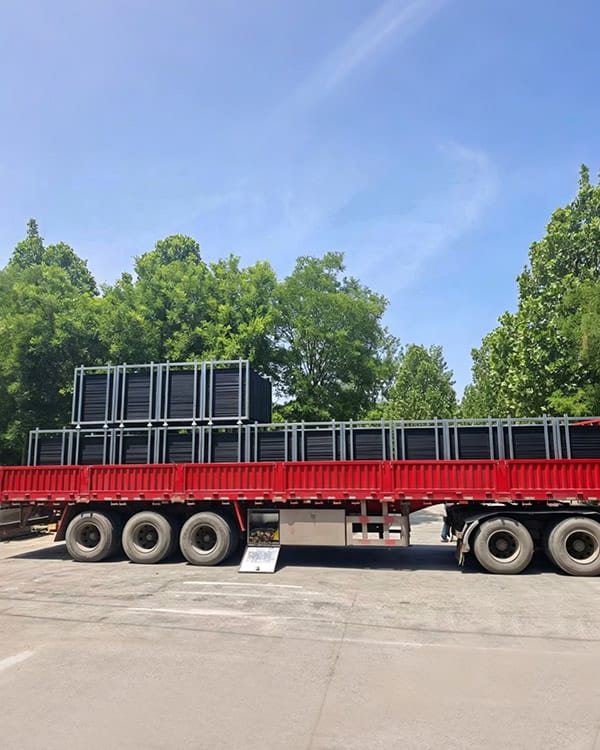
La planificación práctica de la inspección de las almohadillas estabilizadoras continúa después de que se emite una orden de compra. Confirme cómo se descargará, almacenará, identificará y trasladará el producto al área de trabajo. Proteger superficies y etiquetas de referencia. Cuando los componentes se suministren en juegos o paneles combinados, preserve la secuencia de instalación.
Antes de su entrega al área de trabajo, compare el artículo entregado con el registro de inspección aprobado de la plataforma estabilizadora. Verifique los daños visibles, las dimensiones o la identificación especificados en el plan de inspección y el estado de los soportes o piezas coincidentes. No fuerce un artículo en un conjunto desalineado ni utilice un producto de soporte sobre una superficie no verificada simplemente porque el tamaño nominal parezca correcto.
Los intervalos de inspección para la inspección de las almohadillas del estabilizador deben reflejar el deber y las consecuencias, no un período universal arbitrario. Establecer una línea de base, identificar ubicaciones de alta carga o alto desgaste y registrar los cambios de manera consistente. El Orientación masiva del NIST es una referencia de apoyo útil para un contexto disciplinado de medición o estándares.
Errores comunes a evitar
Esté atento a estos errores en las decisiones de inspección de las almohadillas del estabilizador:
- Usar el peso bruto de la máquina como reacción: documentar la entrada faltante y resolverla antes de la aprobación.
- Suponiendo que todo terreno tenga la misma capacidad: documente la entrada que falta y resuélvala antes de la aprobación.
- Colocar una almohadilla sobre un vacío: documente la entrada que falta y resuélvala antes de la aprobación.
- Apilamiento sin un plan de ingeniería: documente la entrada que falta y resuélvala antes de la aprobación.
- Continuar utilizando una almohadilla dañada: documente la entrada que falta y resuélvala antes de la aprobación.
Los problemas comunes de inspección de las almohadillas estabilizadoras comienzan como lagunas de información. Una breve revisión técnica antes de la producción generalmente es más fácil que cambiar una pieza terminada, reconstruir una ruta o investigar un desgaste inexplicable después de la instalación.
Preguntas frecuentes
¿qué información se necesita para especificar la inspección de la plataforma del estabilizador?
Comience con la función, las condiciones operativas, las interfaces, las dimensiones, la cantidad y las consecuencias de la falla. Una solicitud útil de inspección de la plataforma del estabilizador también identifica verificaciones críticas de aceptación y la fuente de cualquier carga o datos ambientales.
¿se puede seleccionar la inspección de la almohadilla estabilizadora únicamente entre un tamaño estándar?
Los tamaños estándar pueden simplificar el abastecimiento, pero el tamaño por sí solo no confirma la idoneidad. Revise el deber, el soporte, el entorno, la tolerancia y la instalación antes de aprobar la inspección de la plataforma del estabilizador.
¿qué prueba o estándar se aplica a la inspección de las almohadillas estabilizadoras?
No existe una respuesta universal única para cada aplicación. Utilice las especificaciones del proyecto, las instrucciones del equipo, las regulaciones aplicables y los estándares de materiales o mediciones reconocidos. Indique el documento exacto y la edición cuando la inspección de la plataforma del estabilizador dependa de un requisito formal.
¿cómo deberían los proveedores cotizar la inspección de las almohadillas estabilizadoras?
Pida a cada proveedor que cotice la misma revisión de RFQ e identifique suposiciones, exclusiones, descripción del material, dimensiones, inspección, embalaje y plazo de entrega. Esto hace que las propuestas de requisitos sean más fáciles de comparar sin depender únicamente del precio.
¿cuándo se debe revisar nuevamente la inspección de la plataforma del estabilizador?
Revise la decisión cuando cambien la carga, el entorno, la geometría, el equipo, el método de instalación o los requisitos de aceptación. También revise el requisito cuando la inspección muestre desgaste, movimiento, grietas, deformaciones o problemas de soporte inusuales.
Lista de verificación de adquisiciones finales
Antes de aprobar el requisito, confirme que la base de solicitud y aceptación estén completas.
- El propósito del requisito se establece en una oración clara.
- Se documenta el control de cargas, entorno, dimensiones e interfaces.
- Los supuestos y la responsabilidad de la verificación del sitio son visibles.
- Se confirma el producto, revisión del dibujo, cantidad y características críticas.
- Se definen expectativas de inspección, marcado, embalaje, manipulación y reemplazo.
- Las partes interesadas internas y el proveedor están trabajando a partir de la misma revisión.
Paowo suministra productos plásticos de ingeniería para proyectos industriales, pero una recomendación útil depende de información precisa de la aplicación. Revisar lo relevante página del producto, el guía técnica relacionada, el recurso de aplicación, y el artículo de apoyo. Luego usa el página de contacto enviar planos y condiciones de operación para una discusión específica del proyecto sobre el requisito.